
Why a Pocket Garden Is the Ultimate Power‑Move for Modern Living
When my schedule looks like a sprint of back‑to‑back meetings, I still crave a place where I can hit the pause button without leaving the house. The answer? A pocket‑scale garden that fits between the kitchen door and the laundry chute, or even the sliver of concrete beside the driveway. It’s not about creating a sprawling backyard masterpiece; it’s about engineering a micro‑retreat that delivers big psychological payoff with a minimal footprint.
The Psychology of Small‑Scale Green Spaces
Research shows that even a single potted plant can lower cortisol levels and sharpen focus. When you scale that up to a curated cluster of herbs, succulents, and seasonal blooms, the effect compounds. Your brain registers a miniature ecosystem as a signal that you’re connected to something larger than the inbox. The key is intentionality: every element should have a purpose, whether it’s visual delight, aromatic therapy, or edible bounty.
Choosing the Right Spot: The Hidden Corners You Overlook
Most homeowners think in terms of “garden zones” – front yard, back yard, balcony. But the real gold lies in the forgotten nooks:
- Window ledges that catch the morning sun.
- Under‑stair alcoves that are usually dark but can become a cool sanctuary for shade‑loving ferns.
- Railings and fence posts that can host hanging planters.
- Utility closets – after a quick drywall patch, you can transform the space into a greenhouse‑style micro‑room.
Before you start digging, map out the sun exposure, wind patterns, and foot traffic. A quick check on natural light will tell you which plants will thrive and which will wilt.
Design Principles That Keep the Pocket Garden From Feeling Cramped
Designing for a space under three feet wide demands a different mindset than a traditional garden. Here are the three pillars I rely on:
- Vertical layering – Even in a tiny square, you can create depth by stacking plants at varying heights. Use wall‑mounted shelves, repurposed pallets, or modular planter boxes.
- Texture contrast – Pair soft, feathery foliage (like Dusty Miller) with glossy, sculptural leaves (such as ZZ plant) to keep the eye moving.
- Color rhythm – Limit your palette to three hues and repeat them across the space. This unifies the garden and prevents visual overload.
Materials That Speak to Sustainability and Style
When you’re working with a shoe‑box sized plot, the containers you choose become a part of the design narrative. Opt for:
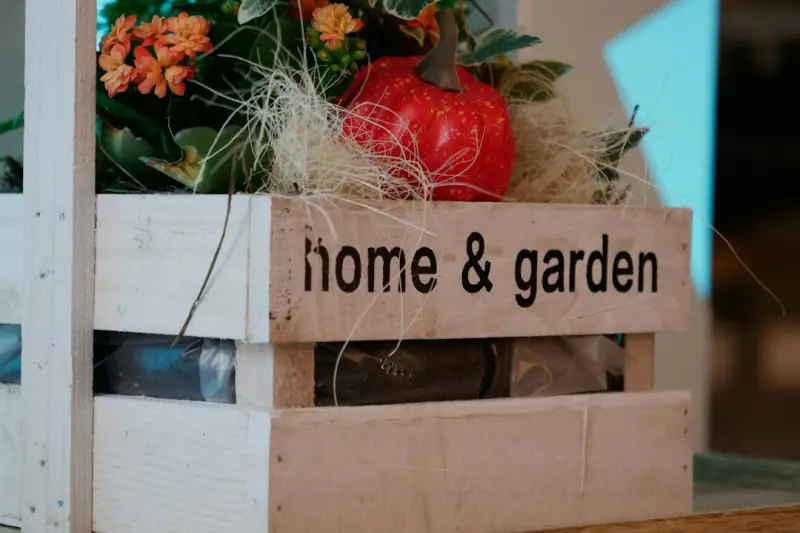
- Reclaimed wood crates – Sand them down, line with a breathable liner, and you have rustic planters that double as décor.
- Terracotta pots with built‑in saucers – They absorb excess moisture, reducing the need for frequent watering.
- Recycled metal troughs – Perfect for a sleek, industrial vibe while being 100% recyclable.
Water Management: The Secret Sauce of Low‑Maintenance Mini Gardens
One of the biggest fears for a busy professional is the “I’ll forget to water it” nightmare. Here’s a three‑step system that keeps the soil moist without daily attention:
- Self‑watering containers: These have a reservoir at the bottom; water wicks upward through capillary action.
- Hydrogel crystals: Mix a handful into potting soil. They can hold up to 400% of their weight in water, releasing it gradually.
- Mulching with pine needles or shredded bark: This reduces evaporation and keeps the roots cool.
If you’re interested in a more tech‑forward approach, a vertical garden system often includes drip irrigation, which can be hooked up to a simple timer.
Choosing Plants That Perform Under Pressure
Because space and time are at a premium, you need hardy species that reward minimal care:
| Plant | Sun Requirement | Water Need | Benefit |
|---|---|---|---|
| Rosemary | Full sun | Low | Culinary herb, fragrant |
| Snake Plant (Sansevieria) | Low to bright indirect | Very low | Air‑purifying, architectural |
| Lavender | Full sun | Medium | Calming scent, attracts pollinators |
| Miniature Peas | Partial sun | Medium | Edible pods, nitrogen‑fixing |
| String of Pearls | Bright indirect | Low | Delicate texture, conversation starter |
Harvesting the Rewards: From Aroma to Edibles
One of the most satisfying parts of a pocket garden is that it feeds you in more ways than one. A few practical tips:
- Clip herbs early – Snipping rosemary or thyme before the plant flowers encourages bushier growth.
- Harvest peas at the pod stage – They’re sweeter and the plant continues producing.
- Use lavender sprigs in a DIY pillow spray – Add a few drops of distilled water and a splash of vodka for a calming nighttime mist.
Seasonal Rotation: Keeping the Pocket Fresh All Year
Because the space is limited, you’ll want to rotate crops and decorative plants to avoid crowding. Here’s a simple calendar:
- Spring – Plant fast‑growing greens like arugula and radish micro‑greens.
- Summer – Swap in heat‑tolerant herbs (basil, oregano) and a trailing vine such as Sweet Pea.
- Fall – Introduce cool‑season foliage like Heuchera and a dwarf ornamental cabbage.
- Winter – Move pots indoors under a bright window; replace with evergreens or winter‑hardy succulents.
Adding Sensory Layers Without Overcomplicating
While the visual appeal is important, a pocket garden can be a multisensory experience:
- Sound: Tiny water beads or a miniature wind chime provide gentle ambient noise.
- Touch: Include a soft moss mat or a smooth river rock for tactile engagement.
- Scent: Mix fragrant herbs (mint, lemon balm) with a few scented flowers (marigold, sweet alyssum).
Integrating Tech Without Turning the Garden Into a Gadget Showroom
While I’m a fan of sleek solutions, the goal is to keep maintenance low, not to add a new set of chargers. A single solar‑powered moisture sensor that flashes a tiny LED when the soil dries below a threshold is enough. Pair it with a Bluetooth‑enabled timer for your drip line, and you have an automated system that only demands a check‑in once a week.
Case Study: My Own 2‑Square‑Foot Retreat
Here’s a quick rundown of the garden I built on the narrow balcony of my downtown apartment:
- Structure: Three stacked wooden crates (12” × 12” × 8”) painted matte black.
- Plants: Top crate – rosemary and thyme; middle crate – snake plant and a tiny succulent; bottom crate – a low‑grow lavender and a few mini pea vines.
- Irrigation: A self‑watering reservoir at the base, topped off with a 1‑liter water jug that lasts two weeks.
- Extras: A copper wind chime and a pebble pathway made from smooth river stones.
Result? A 10‑minute daily “reset” ritual where I prune, inhale the herbaceous aroma, and listen to the soft clink of the chime. The garden has become my unofficial office break room.
Scaling the Idea: From One Balcony to an Entire Neighborhood
If a single pocket garden can change your mood, imagine a block of them linked together. Community groups can organize “Micro‑Garden Swaps” where neighbors trade cuttings, share compost, and even host mini‑workshops on container design. The social component amplifies the personal benefits, turning isolated green spots into a network of shared wellness.
Final Thoughts: The Tiny Garden as a Big Statement
In a world that pushes us toward larger, more impressive projects, the pocket garden is a quiet rebellion. It says, “I value my time, my mental space, and the planet enough to nurture something small and sustainable.” By applying intentional design, smart water management, and a dash of sensory detail, you can create an oasis that fits in the crook of a hallway or the edge of a stoop—yet offers the restorative power of a full‑size park.

Brad Hays is a freelance writer known for his versatile skill set and ability to craft compelling content across a wide range of industries.
Related Posts
Garden Desk Secrets: Transforming Home Life and Productivity
A garden desk isn’t just furniture; it’s a sanctuary that blends work, wellness, and family life... Read More
Garden Desk Magic: Boosting Life, Work, and Wellness
Turn your backyard into a thriving workspace. Learn why garden desks boost productivity, mental heal... Read More
Designing a Year‑Round Patio Oasis: From Sun to Snow
Discover how to transform any patio into a year‑round oasis with durable flooring, weather‑proof... Read More
Top Posts

Travel as a Storytelling Sprint: Turning Journeys into Narrative Power‑Ups
Learn to treat each trip as a focused storytelling sprint, using sensory immersion, real‑time capture, and smart tools to create vivid narratives that boost c...Read More
Rewire Your Home’s Atmosphere: Practical Hacks to Boost Mood, Focus, and Energy
Learn simple, science‑backed hacks for lighting, color, sound, and organization that transform any home into a calm, focused, and energizing sanctuary....Read More

Travel‑First Thinking: Turning Journeys into Strategic Growth Engines
Learn to treat every trip as a purposeful catalyst for professional growth by adopting a travel‑first mindset, embedding mini‑habits, and leveraging curiosi...Read More
Transform Your Living Space into a Sensory Sanctuary Without Breaking the Bank
Learn how to turn ordinary rooms into calming, energizing sanctuaries using simple lighting, scent, texture, and organization tricks that won’t strain your bu...Read More
0 Comments
Post Comment
You will need to Login or Register to comment on this post!