

Ever walked into your living room, glanced at the couch, the coffee table, the stray blanket, and thought, “What if this space could feel a little more like a well‑written paragraph instead of a rushed email?” I’ve been there—standing in the middle of my own home, coffee in hand, mentally editing the décor as if it were a draft. The good news? You don’t need a full‑scale renovation or a budget that makes your accountant gasp. A series of micro‑transformations—tiny, intentional tweaks—can shift the vibe of a room from “meh” to “marvelous” without breaking the bank or your schedule.
Why Micro‑Transformations Work
Think of your home as a living manuscript. Each element—furniture, lighting, texture—acts as a word or punctuation mark. When a sentence feels clunky, you don’t rewrite the whole paragraph; you swap out a word, adjust a comma, maybe add a dash for emphasis. The same principle applies to interiors. Small changes ripple through the space, creating a cohesive narrative that feels intentional and fresh.
From a psychological perspective, micro‑adjustments give your brain a sense of progress. The dopamine hit you get from completing a quick, visible win (like swapping out a lamp shade) fuels motivation for the next tweak. It’s a virtuous cycle that keeps your home feeling dynamic, even when life gets busy.
1. Re‑think Your Entryway: The First Impression Matters
The entryway is the opening line of your home’s story. If it feels chaotic, visitors (and you) may start the visit on a note of stress. A few strategic moves can turn that hallway from a pass‑through zone into a welcoming welcome mat.
- Add a functional rug. Choose a low‑pile rug with a subtle pattern that defines the space without overwhelming it. It instantly signals “this is a place to pause.”
- Install a slim console. A narrow console table with a couple of drawers offers a spot for keys, mail, and a decorative tray. Keep the surface clear—clutter is the visual equivalent of a run‑on sentence.
- Introduce a statement hook or small pegboard. It’s perfect for coats, bags, and that ever‑growing collection of headphones you swear you’ll use.
Pro tip: A small basket on the console can hold stray shoes or umbrellas. Choose a material that contrasts nicely with your flooring—think woven seagrass on hardwood or a matte metal on tile.
2. Layer Lighting for Mood Flexibility
Lighting is the punctuation of interior design. It tells the brain when to relax, focus, or feel energized. While you might already have overhead fixtures, layering in additional sources creates depth.
- Floor lamps with dimmers. Position them near reading nooks or the sofa. A dimmer lets you shift from bright task lighting to a soft, ambient glow with a simple twist.
- LED strip lights under cabinets. In the kitchen, they highlight countertops without harsh glare. In the living room, a discreet strip behind the TV adds a cinematic feel.
- Table lamps with textured shades. They diffuse light gently, adding a tactile element that feels cozy.
If you’re wondering how lighting can double as a health boost, check out Seeing the Light for a deeper dive.
3. Swap Out Soft Furnishings for Instant Texture
Textures are the adjectives that paint a vivid picture in your mind’s eye. Changing a single pillow cover or adding a throw can transform a neutral sofa into a conversation starter.
- Throw blankets. Opt for a chunky knit or a linen‑cotton blend. Drape it over the arm of the couch for a casual, lived‑in look.
- Cushion covers. Rotate between muted earth tones and a pop of color seasonally. This keeps the visual interest fresh without purchasing new cushions.
- Rugs with varied pile heights. A low‑pile runner in the dining area paired with a plush area rug under the coffee table adds layers that feel intentional.
4. Create a Mini “Focus Nook” for Quick Breaks
Even if you’re not a remote worker, a small corner dedicated to short mental resets can boost productivity and well‑being. Think of it as a sidebar in your manuscript—a place to pause and reflect.
All you need is:
- A compact desk or sturdy tray table.
- A comfortable chair (an ergonomic stool works great).
- A small plant or a piece of art that inspires you.
- A lamp with a warm hue.
Keep the space tidy and limit it to the essentials: a notebook, a pen, maybe a tea mug. When you step away from the main hustle, this nook offers a visual cue that it’s time to switch mental gears.
5. Declutter with Intentional Storage Solutions
Clutter is the unpunctuated mess that distracts readers. The key isn’t just to hide things—it’s to store them where they make sense.
- Transparent bins. Clear containers let you see what’s inside at a glance, reducing the time spent rummaging.
- Floating shelves. Install them in under‑used wall space—above a desk, beside a TV, or in the bathroom. They hold books, decorative objects, or even rolled towels.
- Multipurpose furniture. An ottoman with hidden storage or a coffee table with built‑in drawers offers a place to stash magazines, remote controls, or spare chargers.
Remember, the goal is to create “visual breathing room.” When you see fewer items, your brain registers calm.
6. Introduce a Scent Strategy
Smell is a powerful, often overlooked design tool. A pleasant aroma can set the tone for the entire space, much like a well‑chosen opening line can hook a reader.
- Essential oil diffusers. Choose calming scents like lavender for evenings and energizing citrus for mornings.
- Scented candles. Opt for soy or beeswax to keep indoor air quality high.
- DIY sachets. Fill small cloth bags with dried lavender or rosemary and tuck them into drawers or closets.
If you love a full‑body wellness experience, you might enjoy reading about Creating a Home Spa Sanctuary for more ideas on turning scent into a ritual.
7. Optimize Your Acoustic Environment
Sound, like punctuation, guides the flow of a narrative. An echoey living room can feel chaotic, while a soft, muffled soundscape encourages relaxation.
- Soft furnishings. Thick curtains, plush rugs, and upholstered furniture absorb excess sound.
- Acoustic panels. DIY panels made from wood frames, acoustic foam, and decorative fabric can double as art.
- White‑noise machines. A subtle hum can mask street noise, making your home feel like a private reading room.
8. Refresh Your Walls Without Painting
Repainting is effective, but it’s also a major undertaking. If you crave visual change without the mess, consider:
- Removable wall decals. They come in geometric patterns, botanical designs, or abstract art. Easy to apply and just as easy to remove.
- Gallery walls. Mix frames of different sizes and styles, and fill them with prints, personal photos, and even fabric swatches.
- Textured wall panels. Peel‑and‑stick panels give a 3‑D effect and can be repositioned later.
9. Upgrade Your Kitchen Workflow with Simple Tools
The kitchen is the chapter where the action happens. Small upgrades can make the narrative smoother.
- Magnetic knife strip. Frees up drawer space and keeps knives safely visible.
- Pull‑out pantry shelves. If you have a narrow cabinet, install a sliding shelf to make the back accessible.
- Drawer dividers. Separate utensils, gadgets, and spices for quick retrieval.
10. Add Greenery for Life and Air Quality
Plants are the adjectives that bring life to a sentence. Even a single low‑maintenance plant can improve air quality and add visual interest.
- Snake plant. Tolerates low light and purifies air.
- ZZ plant. Near‑indestructible, perfect for busy households.
- Herb garden on the windowsill. Fresh herbs for cooking and a pleasant aroma.
Putting It All Together: A Sample 7‑Day Micro‑Transformation Plan
Feeling overwhelmed? Break the process into a week‑long sprint. Here’s a simple schedule to keep you on track:
- Day 1 – Entryway. Lay down a rug, add a console, and set up a basket.
- Day 2 – Lighting. Install dimmers on floor lamps and add LED strips to one area.
- Day 3 – Soft Furnishings. Swap out two pillow covers and drape a new throw.
- Day 4 – Focus Nook. Assemble a small table, chair, lamp, and a plant.
- Day 5 – Storage. Add two transparent bins and mount a floating shelf.
- Day 6 – Scent & Sound. Place a diffuser, light a candle, and test acoustic panels.
- Day 7 – Wall & Greenery. Hang a gallery wall piece and pot a snake plant.
By the end of the week, you’ll have a home that reads smoother, feels richer, and invites you to linger longer—all without a massive renovation budget.
Final Thoughts: Embrace the Power of Tiny Wins
Micro‑transformations are about mindset as much as they are about décor. They remind us that our living spaces, like our stories, are always a work in progress. By approaching home improvement one tiny tweak at a time, you maintain momentum, avoid burnout, and enjoy the journey as much as the destination.
Next time you spot a small irritant—a harsh lamp, a cluttered hallway, a bland rug—ask yourself, “What’s the simplest change I can make right now?” The answer is often a single step that leads to a cascade of comfort, style, and satisfaction.

Jimmy Anand is a content creator that gets inspired by many aspects of life, internet or whatever inspires him at that moment. When he's not online he's gaming and when he is not gaming he is online trolling discussion boards.
Related Posts

Silent Allies: Harnessing Scent and Sound for a Healthier Home
Learn how to turn ordinary rooms into purpose‑driven spaces by using scent layering and acoustic t... Read More

Quiet Corners: Mastering Home Acoustics for Focus and Calm
Learn how to assess, treat, and maintain the acoustic environment in your home with simple DIY proje... Read More
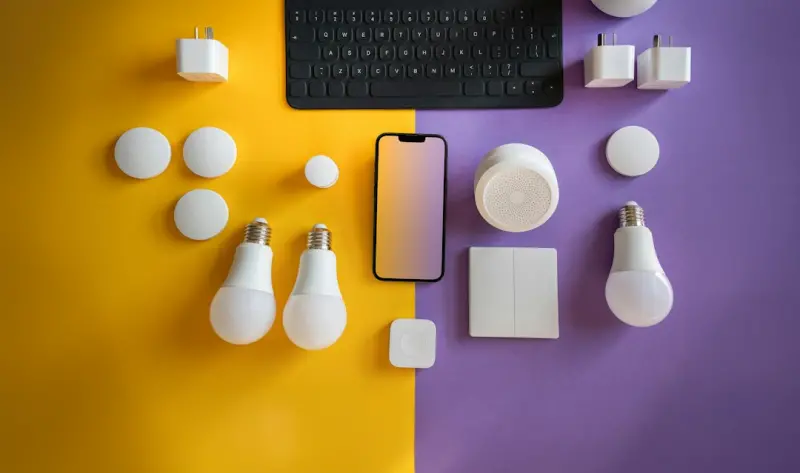
Smart Lighting Hacks: Transform Mood, Focus, and Energy Use at Home
Learn how to use smart bulbs, zones, and simple DIY hacks to create personalized lighting scenes tha... Read More
Top Posts
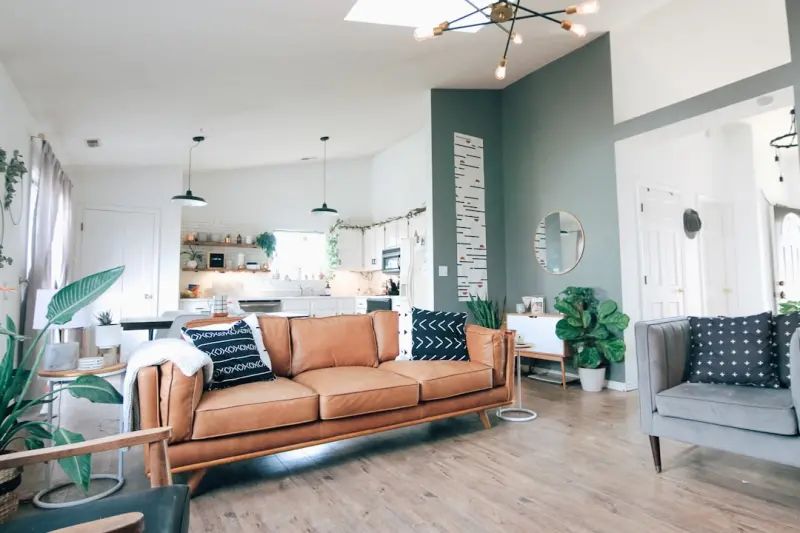
Hidden Harmony: Simple Home Tweaks for Calm and Clarity
Learn how to turn overlooked corners into calming micro‑sanctuaries with affordable materials, acoustic tips, and seasonal refresh ideas, all designed to enha...Read More

Digital‑Free Sanctuaries: Crafting Home Zones That Let You Unplug and Recharge
Discover practical steps to design digital‑free sanctuaries in your home, from a calming corner to tactile shelves and purposeful retreats, and experience ren...Read More

Adaptive Skincare Tech: Turning Routine Into Real‑Time Personal Care
Adaptive skincare technology transforms static personal care habits into responsive rituals, using sensors and AI to deliver precise, waste‑free recommendatio...Read More
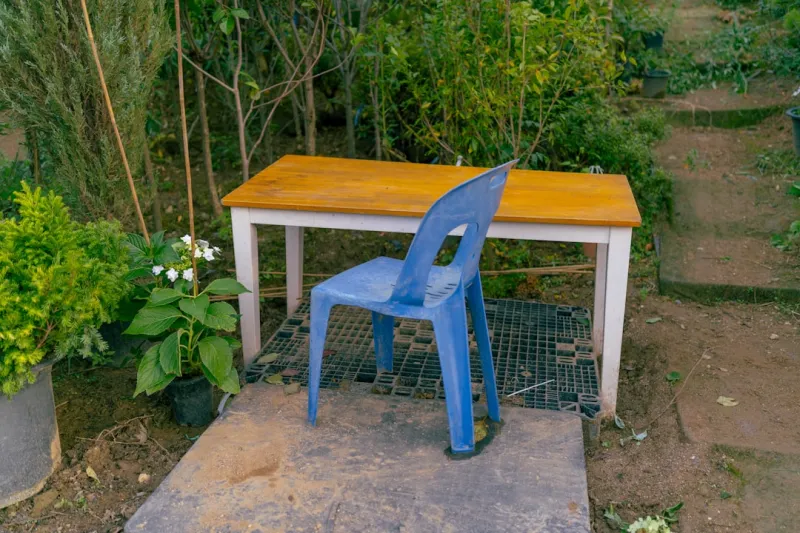
From Cubicle to Garden: How Outdoor Desks Are Redefining Employment
Explore the shift from traditional offices to garden desks, uncovering how outdoor workspaces boost morale, productivity, and redefine modern employment....Read More
0 Comments
Post Comment
You will need to Login or Register to comment on this post!