

Why Your Front Porch Deserves a Makeover
When I first moved into my current house, the front porch was little more than a concrete slab with a lone, weather‑worn chair. It was functional, sure, but it lacked personality, comfort, and that subtle invitation that makes guests feel welcome before they even step inside. Over the past few years, I’ve turned that neglected space into a seasonal oasis that not only boosts curb appeal but also becomes an extension of my living room—a place to sip coffee, read, or simply watch the world go by.
Re‑imagining the Purpose of an Entryway
Most homeowners think of the porch as a transitional zone: a place to drop keys, kick off shoes, and dash inside when the weather gets bad. I decided to flip that script. Instead of seeing the porch as a dead‑end, I treated it as a living room without walls. That mindset shift opened up a world of possibilities: seasonal décor, functional furniture, and even a touch of nature that blurs the line between indoors and outdoors.
Step 1: Define Your Seasonal Theme
The first decision I made was to commit to a rotating seasonal theme. This gives the porch a fresh feel throughout the year and encourages you to experiment with different textures, colors, and plant choices. I started with a spring bloom concept—think pastel cushions, light linen drapes, and potted tulips. As summer arrived, I swapped those for vibrant, tropical fabrics and a small citrus tree. Autumn brings in warm, earthy tones, pumpkins, and a cozy knit blanket, while winter is all about soft whites, twinkling lights, and a hot‑cocoa station.
Having a theme doesn’t mean you have to buy a whole new set of furniture each season. Instead, invest in versatile pieces that can be easily re‑dressed. A solid wood bench, for example, can be dressed in a bright summer cushion or a flannel winter throw with minimal effort.
Step 2: Choose Comfortable, Weather‑Resistant Seating
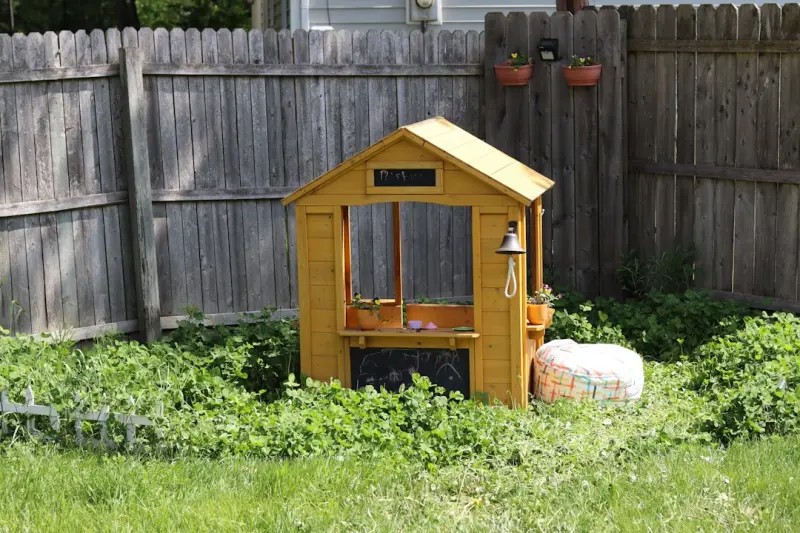
Comfort is king. I replaced the lone chair with a quiet acoustic solution that doubles as a seating area—specifically, a set of low‑profile outdoor poufs upholstered in water‑repellent fabric. The poufs are light enough to move around for different gatherings, yet sturdy enough to hold a cup of tea without wobbling.
When selecting seating, look for:
- UV‑protected cushions: They won’t fade under the summer sun.
- Quick‑dry fabrics: Perfect for those occasional rain showers.
- Modular design: Pieces that can be rearranged for intimate chats or larger groups.
Step 3: Add Greenery That Works Year‑Round
Plants are the soul of any outdoor space. I wanted a mix of hardy perennials and seasonal annuals so the porch never looks barren. A few of my go‑to choices include:
- Boxwood shrubs: Their evergreen foliage provides a constant backdrop.
- Herb pots: Basil, thyme, and mint not only smell amazing but also let you harvest fresh flavors for cooking.
- Annuals like petunias or marigolds: Swap them out every few months for a splash of color.
If space is limited, think vertical. I installed a wooden trellis against the wall and used it to train a climbing rose. The trellis adds height, visual interest, and a fragrant surprise when the flowers bloom.
Step 4: Light It Up—Smart Yet Subtle
Lighting transforms mood. I avoided harsh floodlights and instead opted for soft, layered illumination:
- String lights: Drape them along the railing for a warm, twinkling canopy.
- Solar lanterns: Place them on the steps for a gentle glow after dusk.
- LED spotlights: Aim them at a favorite plant or artwork to create a focal point.
Because electricity can be tricky on a porch, I love using solar options whenever possible. They’re eco‑friendly, cost‑effective, and require minimal maintenance.
Step 5: Incorporate Functional Accents
A beautiful porch is great, but it should also serve practical needs. Here are a few functional touches that have become daily staples for me:
- Weather‑proof storage bench: Keeps cushions, blankets, and gardening tools out of sight.
- Small side table: Ideal for a laptop, a book, or a steaming mug.
- Mounted coat hooks: Keeps jackets and bags organized without cluttering the floor.
These accents keep the porch tidy and ready for anything—from a quick morning coffee to an impromptu Zoom meeting outdoors.
Step 6: Bring in Textures and Patterns
Textures add depth. I layered a jute rug under the seating area for a natural, tactile feel. Then I introduced patterned cushions—floral for spring, geometric for summer, and plaid for fall. Mixing textures prevents the space from feeling flat and encourages people to linger.
Step 7: Personalize with Art and Decor
Art doesn’t have to be confined to walls. I placed a weather‑resistant metal wall sculpture on the side of the porch, giving it an artistic focal point that catches the eye from the street. Small decorative items—like a vintage lantern, a collection of seashells, or a hand‑painted sign—add personality and reflect your style.
Step 8: Create a Mini “Outdoor Office” for Focused Work
One unexpected benefit of my porch makeover was the creation of a serene spot for focused work. On days when the house feels too noisy, I step onto the porch, set up my laptop, and enjoy the natural light. The gentle sounds of birds and a light breeze replace the usual office chatter, boosting concentration.
To make this work, I added a multi‑sensory garden element—a small water feature that provides a subtle, soothing soundtrack. Pair it with a portable power bank and a weather‑proof Bluetooth speaker, and you have an outdoor workstation that feels like a mini‑retreat.
Step 9: Seasonal Maintenance Checklist
Keeping the porch looking fresh requires a little routine upkeep. Here’s a quick checklist I follow:
- Spring: Clean surfaces, power‑wash the floor, add fresh plants, replace winter blankets with lighter throws.
- Summer: Trim foliage, protect cushions from direct sun with shade sails, refresh water in the fountain.
- Fall: Swap summer fabrics for warm blankets, store garden tools, sweep leaves regularly.
- Winter: Cover furniture with waterproof tarp, add extra lighting for darker days, bring indoor plants outside for a brief outdoor stint.
Step 10: Share the Space with Community
Finally, think of the porch as an extension of your home’s hospitality. I’ve hosted small book clubs, morning yoga sessions, and even a neighborhood “coffee tasting” once a month. The porch becomes a communal hub, strengthening neighborhood ties while giving you a reason to keep the space inviting.
When you design your porch as a welcoming, functional, and ever‑changing environment, you create a space that serves both aesthetic and practical purposes—a place that welcomes guests, nurtures personal well‑being, and adds tangible value to your property.
Wrapping Up
Reviving the front porch is more than a DIY project; it’s an invitation to re‑connect with the outdoors, to bring a slice of nature to your daily routine, and to cultivate a space that reflects who you are. Whether you start small with a single chair and a potted plant or go all‑in with a full seasonal overhaul, the key is to make the porch feel like an extension of your living room—a place where you can sit, breathe, work, and enjoy the simple pleasures of home.

Lauren Miller is a true outdoors enthusiast who has found her passion in the trades. When she's not working hard on the job, you can find her writing, camping, fishing, and exploring all that nature has to offer. A dedicated partner to her wife Beth, Lauren loves nothing more than spending quality time together and experiencing the great outdoors side by side.
Related Posts

Garden Storytelling: Designing Outdoor Spaces That Speak to the Soul
Learn to craft a garden that tells your personal story, using color, texture, heirloom plants, and s... Read More

Front Porch Renaissance: Reimagining Community at Home
The front porch is being redefined as a semi‑public space that nurtures neighborly connections, su... Read More

Creating a Backyard Habitat for Native Bees and Butterflies
A step‑by‑step guide to turning any backyard into a thriving haven for native bees, butterflies,... Read More
Top Posts

Revitalize Your Home with Upcycled Furniture and Natural Touches
Explore three easy upcycling projects—pallet coffee table, crate wall storage, and bottle-light pendants—to refresh your home with sustainable style and per...Read More

Storytelling as Therapy: Rewriting Your Inner Narrative
Explore how turning everyday experiences into personal stories can transform stress into growth, using simple writing, speaking, and digital sharing practices....Read More
Designing a Pet‑Friendly Garden Oasis: Safety, Play, and Style
Learn how to craft a pet‑friendly garden that balances safety, fun, and style, using durable pathways, pet‑safe plants, and eco‑friendly features....Read More

Finding Freedom in the Rhythm: How Playful Movement Boosts Mental Health
A personal guide to using spontaneous dance and playful movement as a daily mental‑health tool—simple, joyful, and scientifically backed....Read More
0 Comments
Post Comment
You will need to Login or Register to comment on this post!