
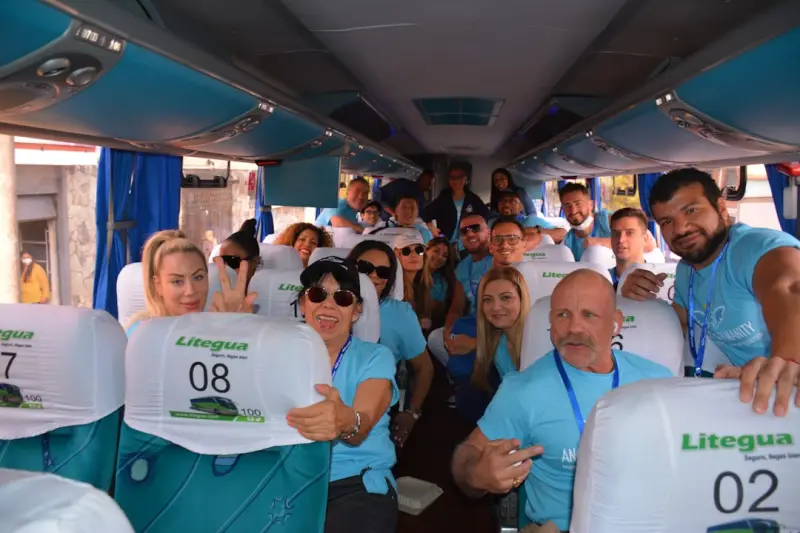
There’s a subtle magic that happens when the impulse to explore meets the desire to give back. It’s not a trendy buzzword or a checklist item for the Instagram crowd—it’s a genuine shift in mindset that turns a vacation into a purpose‑driven expedition. I first felt this pull while waiting in line for a community kitchen in a coastal town, watching locals smile despite the challenges they faced. The experience reshaped my relationship with travel, and I’ve been chasing that blend of adventure and service ever since.
The Unexpected Gift of Purposeful Travel
When we book a trip, the usual checklist reads: flights, hotels, must‑see sights, and perhaps a few “authentic” experiences. Yet, for many of us, the most memorable moments emerge when we step outside the tourist trail and engage directly with the people who call the destination home. Volunteering abroad does exactly that—it creates a bridge between curiosity and compassion.
Purposeful travel invites you to ask deeper questions: What can my skills contribute? How can I learn from the community’s resilience? Instead of being a passive observer, you become an active participant in the daily rhythm of a place.
Why Volunteering Amplifies the Travel Narrative
Traditional travel often feels like a series of snapshots—beautiful scenery captured, meals sampled, museums checked off. Volunteering rewrites that narrative into a story with arcs, challenges, and personal growth. Here are three ways it does that:
- Shared vulnerability: Working side‑by‑side with locals on real‑world projects fosters genuine connection. You laugh over language mishaps, sweat through physical tasks, and celebrate small victories together.
- Skill transference: Whether you’re a graphic designer creating outreach flyers or an accountant helping with budgeting, you discover new applications for your expertise. This cross‑pollination often sparks creative ideas that you later bring back to your own work.
- Perspective expansion: Immersion in a community’s daily life challenges preconceived notions. You see how resourcefulness, community spirit, and simple joys thrive where you might have assumed scarcity ruled.
Finding the Right Fit: Not All Volunteering Is Equal
It’s tempting to jump onto the first opportunity that promises free accommodation or a “meaningful” title. However, ethical volunteering requires due diligence. Here’s a quick guide to ensure your experience is both impactful and respectful:
- Research the organization: Look for transparent reporting, local leadership, and long‑term commitment to the community.
- Match your skills: Align your strengths with the project’s needs. A mismatch can lead to frustration on both sides.
- Consider duration: Short‑term trips (one to two weeks) are valuable for certain tasks, but longer stays allow for deeper integration and sustainable outcomes.
- Respect cultural norms: Take the time to learn local customs, language basics, and etiquette. This shows humility and builds trust.
When you take these steps, the experience transforms from a “tourist volunteer” stint into a mutually beneficial partnership.
From Service to Innovation: Turning Moments Into Labs
Even if your primary goal isn’t to innovate, the challenges you encounter can become personal labs for creativity. Imagine designing a low‑cost water filtration system for a remote village using only locally sourced materials. The problem‑solving process sharpens your ability to think laterally—a skill that translates directly to business challenges back home.
Micro‑Adventures Within Volunteering
Volunteering doesn’t have to consume every waking hour. You can still carve out “mini‑escapes” that recharge you. Think of a sunrise hike after a day of teaching English, or a weekend surf session that lets you reset. These micro‑adventures keep your energy high and your mind open, ensuring you give your best to the community project.
Spontaneous Passport Moments: The Power of Flexibility
One of the most rewarding aspects of service travel is the freedom to say “yes” to unexpected opportunities. While you might have a schedule, the locals may invite you to a family celebration, a market day, or a traditional ceremony. Embracing these spontaneous passport moments deepens cultural immersion and often leads to the most vivid memories.
Practical Steps to Get Started
Ready to blend adventure with impact? Here’s a roadmap you can follow:
- Identify your passion: Is it education, environmental conservation, healthcare, or something else? Your enthusiasm will sustain you through challenges.
- Set realistic expectations: Understand that you’ll be a helper, not a savior. Your role is to support, not to lead.
- Choose a reputable platform: Look for organizations vetted by NGOs, with clear goals and community endorsement.
- Plan logistics early: Visa requirements, vaccinations, insurance, and safe accommodation are non‑negotiable.
- Prepare emotionally: Read up on the region’s history and current events. A respectful mindset goes a long way.
- Pack light, pack smart: Bring versatile clothing, a notebook, a reusable water bottle, and any tools your project may need.
- Debrief and reflect: After your stay, take time to journal (even if you don’t publish), discuss lessons with peers, and consider how you’ll integrate the experience into your personal and professional life.
Stories From the Field
To illustrate the ripple effect of purposeful travel, here are two snapshots from my own journeys:
- Building a Community Library in Oaxaca: I spent three weeks cataloging books and teaching basic digital literacy. The locals now have a space for children to read, and I returned with a fresh appreciation for the power of knowledge sharing.
- Coastal Clean‑Up in Ghana: Partnering with a youth group, we organized weekly beach sweeps. The effort not only reduced plastic waste but also sparked a local entrepreneurship program that creates upcycled products from collected debris.
Both experiences taught me that impact is rarely a single grand gesture—it’s a series of small, consistent actions that compound over time.
Balancing Adventure and Responsibility
Critics sometimes argue that short‑term volunteering can be “tourist‑y” or even harmful. The key lies in humility and accountability. Ask yourself:
- Am I listening more than I’m speaking?
- Is the project designed by the community, or imposed by outsiders?
- Will the initiative sustain after I leave?
When the answers align with community empowerment, you’re on the right path.
The Long‑Term Payoff
Beyond the immediate gratification of helping others, purposeful travel plants seeds that bloom in unexpected ways. I’ve found that:
- My problem‑solving confidence skyrocketed, leading to a promotion at work.
- New friendships across continents turned into collaborative projects and even joint ventures.
- My perspective on consumerism shifted; I now prioritize experiences over possessions, which has simplified my life.
These benefits echo the sentiment that when you give, you also receive—often in the form of personal growth, renewed purpose, and a deeper connection to the world.
Final Thoughts: Make Every Trip Count
Travel isn’t just about ticking boxes; it’s about the stories we co‑author with the people we meet. By weaving service into your itineraries, you transform ordinary trips into chapters of meaningful impact. So the next time you plan a getaway, consider adding a volunteer component. You might find that the most unforgettable souvenirs aren’t the postcards you bring home, but the lives you touched—and the ways those encounters change you from the inside out.

Armed with a degree in English Literature, Jill’s journey into the digital space wasn't just a career move; it was a natural extension of her lifelong love affair with storytelling. While some writers view search engine optimization (SEO) as a rigid constraint, Jill sees it as a creative puzzle. She understands the delicate art of balancing the algorithmic demands of search engines with the human desire for resonance, emotion, and value. To Jill, keywords aren't just targets to hit; they are the breadcrumbs that lead eager readers straight to the answers they’ve been searching for.
Related Posts

Turning Travel Into a Personal Innovation Lab
Imagine each journey as a sandbox for trying new skills, testing bold ideas, and capturing insightsâ... Read More

How Intentional Disconnect Transforms Your Travel Experience
A guide to purposeful travel that emphasizes digital detox, minimalist packing, and authentic local ... Read More

The Soundtrack of Wanderlust: How Curated Audio Elevates Every Journey
A guide to designing a travel soundtrack that syncs music, local sounds, and ambient recordings with... Read More
Top Posts

Smart Home Office Makeover: Boost Productivity Without Breaking the Bank
Discover budget‑friendly ways to upgrade your home office, from lighting and temperature hacks to ergonomic fixes and smart tech, to enhance productivity and ...Read More

The Untapped Potential of Peer‑Learning Networks at Work
A peer‑learning network (PLN) is an informal, employee‑driven ecosystem that accelerates problem‑solving, preserves tacit knowledge, and embeds a culture ...Read More

The Hidden Power of Micro‑Moments: How Tiny Travel Experiences Supercharge Your Life
Discover how focusing on sensory, unexpected moments during travel can enhance creativity, empathy, and mindfulness, turning even short trips into powerful expe...Read More

Garden Desks: How Outdoor Workspaces Are Redefining Employment in 2024
Rose DesRochers reveals how garden desks transform work, blending nature with productivity to create a revolutionary, sustainable employment model for 2024....Read More
0 Comments
Post Comment
You will need to Login or Register to comment on this post!