

Why Personal Care Isn’t a Luxury, It’s a Performance Engine
When you’re sprinting between meetings, juggling deadlines, and trying to keep the home office from turning into a war zone, personal care can feel like a guilty pleasure you can’t afford. I used to think the same—until I realized that the tiny, intentional acts I used to dismiss were actually the most reliable levers for sustaining energy, focus, and creative flow. In the hyper‑connected world we inhabit, personal care is no longer a “nice‑to‑have”; it’s a strategic advantage that can differentiate a high‑performer from a burnout survivor.
The Hidden ROI of Everyday Grooming
Most productivity frameworks talk about sleep, nutrition, and exercise. Rarely do they mention the ritual of brushing your teeth, splashing cold water on your face, or taking a short stretch break to wash your hands. These micro‑moments create a physiological reset that lowers cortisol, spikes dopamine, and signals to your brain that you’re in a safe, controlled environment. The result? A sharper attention span, faster decision‑making, and a reduced likelihood of “decision fatigue” that creeps in after hours of screen time.
Think of personal care as a series of micro‑reboots—tiny system updates that keep your mental OS from crashing. Each splash, each breath of scented oil, each mindful brush of your teeth is a cue that tells your nervous system, “I’ve got you covered.” The cumulative effect over a week is a noticeable lift in mood and productivity, without any need for caffeine spikes or extra hours at the desk.
Micro‑Rituals That Actually Move the Needle
Below are five micro‑rituals that I’ve integrated into my daily workflow. They’re simple, require almost no extra time, and can be customized to fit any personal style.
- Morning Face Flush (2 minutes) – Splashing cold water on your face first thing in the morning triggers the “fight‑or‑flight” reset, waking up the sympathetic nervous system. Pair it with a quick facial massage using a silicone roller to stimulate lymphatic drainage.
- Desk‑Side Hand Hygiene (1 minute) – Keep a travel‑size bottle of hand sanitizer or a small bowl of water at your elbow. Every time you finish a task, pause, cleanse your hands, and mentally mark the completion of that block. This physical act creates a mental “task‑finished” cue.
- Breath‑Sync Brush (3 minutes) – While brushing your teeth, practice a 4‑4‑6 breathing pattern (inhale 4 seconds, hold 4, exhale 6). The rhythmic motion of the brush combined with controlled breathing syncs your parasympathetic response, reducing stress before you even start the workday.
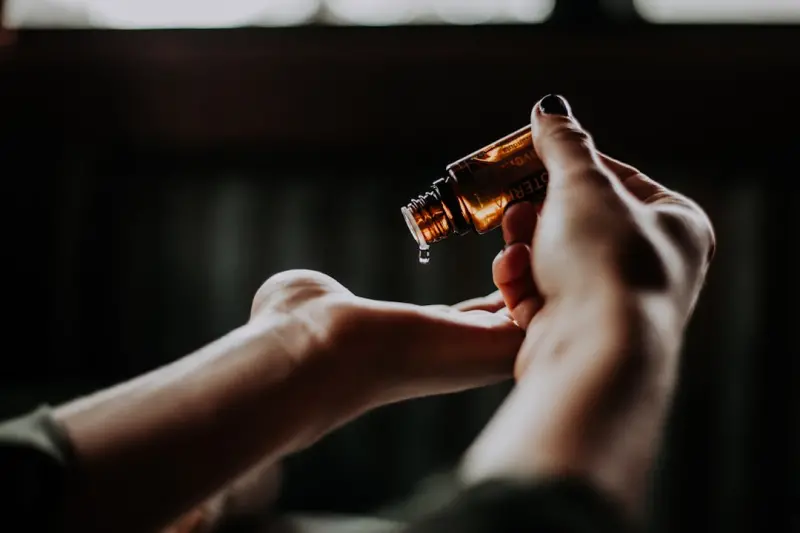
- Mid‑Afternoon Aroma Reset (2 minutes) – A few drops of citrus or peppermint essential oil on a diffuser can reset your olfactory system, which is tightly linked to alertness. The scent acts as a non‑visual cue that you’re transitioning from deep work to a lighter, creative mode.
- Evening Light‑Dim Ritual (5 minutes) – Dim the lights in your workspace an hour before you log off. Switch to warm, amber bulbs or use a smart lighting app to gradually lower the intensity. This signals to melatonin‑producing cells that it’s time to wind down, improving sleep quality.
These micro‑rituals are designed to be frictionless—no elaborate product lines, no costly subscriptions. They’re the personal‑care version of a “stand‑up meeting”: short, repeatable, and highly effective.
Tech‑Enabled Self‑Care Without Distraction
Technology is a double‑edged sword. It can amplify distractions, but it can also be harnessed to create a seamless self‑care flow. The key is to use tools that automate the good habits rather than demand constant attention.
For instance, a smart water bottle that glows when it’s time to hydrate, or a Bluetooth‑enabled toothbrush that logs your brushing time to a habit‑tracking app, can keep you accountable without pulling you out of focus. However, avoid the temptation to turn every gadget into a notification factory. The Digital Declutter philosophy—keeping only the tech that serves a clear purpose—should guide your choices.
Another powerful approach is to set “do‑not‑disturb” windows for your personal‑care devices. When you start a 10‑minute grooming session, enable a brief DND mode on your phone and computer. This ensures that the act stays a sanctuary, not a multitasking opportunity.
The Science of Touch and Aroma in the Home Office
Touch and smell are two of the most underrated senses when it comes to personal care. Research shows that haptic stimulation—the gentle pressure of a massage roller, the texture of a high‑quality towel—activates mechanoreceptors that calm the amygdala, the brain’s fear center. Meanwhile, aromatherapy can modulate the limbic system, influencing mood and cognition.
If you’re skeptical, start small. Keep a textured stone or a smooth wooden block at your desk. When you feel tension building, roll it between your fingers for 30 seconds. The tactile feedback is enough to break the stress loop. For scent, a tiny diffuser with a blend of lavender (calming) and rosemary (focus‑enhancing) can be the olfactory equivalent of a “reset button.”
Building a Personal Care Toolkit for Remote Environments
When you’re not commuting, the boundaries between “work” and “home” blur. A portable personal‑care toolkit helps you re‑establish those boundaries on demand. Here’s a minimalist list that fits in a small tote:
- Travel‑size facial cleanser and moisturizer (preferably fragrance‑free for flexibility)
- Compact silicone facial roller
- Two essential‑oil roll‑ons (citrus for focus, lavender for wind‑down)
- Miniature Bluetooth toothbrush or a high‑quality manual brush with a timer
- Soft, absorbent hand towel
- Portable diffuser (ultrasonic, USB‑powered)
Every time you transition from a meeting to a deep‑work block, pull out the toolkit, perform a 3‑minute ritual, and then return to the screen. The physical act of “changing clothes” for your mind reinforces the mental shift.
Data‑Driven Personal Care: Tracking What Matters
Just as we track project metrics, we can track personal‑care metrics. A simple spreadsheet or a habit‑tracking app can log the frequency of your micro‑rituals, sleep quality, and perceived energy levels. Over a month, you’ll start to see patterns: perhaps you’re most productive on days you performed the evening aroma reset, or your focus dips after skipping the hand‑hygiene break.
For a more sophisticated view, consider integrating your data into a personal dashboard. The Personal Mental‑Health Dashboard framework can be adapted to include self‑care variables, giving you a visual snapshot of how grooming habits correlate with mood and output.
Sustainable Personal Care: Doing Good for You and the Planet
Eco‑consciousness and personal care aren’t mutually exclusive. In fact, the most sustainable routines often double as the most soothing. Switching to bamboo toothbrushes, refillable skincare containers, and biodegradable wipes reduces waste and provides a tactile, natural experience that many synthetic alternatives lack.
Invest in a reusable silicone face mask or a washable exfoliating cloth. These items have a low environmental footprint and, because they’re built to last, they become familiar, comforting objects in your daily routine. The consistency of using the same sustainable tools adds an extra layer of ritualistic comfort.
Personal Care as a Team‑Level Advantage
When you model these practices, you indirectly influence your teammates. In remote settings, a culture of visible self‑care can reduce stigma around mental health and burnout. Share a photo of your desk‑side diffuser or a quick video of your 2‑minute face flush during a virtual coffee break. You’ll spark conversations that normalize taking short, intentional breaks, which can ripple throughout the organization.
Moreover, encouraging teams to adopt micro‑rituals can be framed as a “wellness hack” in internal newsletters. By positioning personal care as a performance booster, you align individual well‑being with collective productivity goals—a win‑win scenario.
Putting It All Together: Your 30‑Day Personal Care Sprint
To embed these habits, I recommend a 30‑day sprint. Choose three micro‑rituals from the list above and commit to them daily. Use a habit‑tracker to mark completion, and at the end of the month, review your energy scores, focus metrics, and any changes in work output. Adjust the rituals as needed, and consider adding a fourth habit if you’re feeling confident.
Remember, the goal isn’t perfection; it’s consistency. The cumulative effect of small, deliberate actions compounds into a noticeable boost in how you feel, think, and perform. In the long run, personal care becomes less of a task and more of an intuitive extension of your professional identity.
Final Thought: Personal Care Is Your Hidden Superpower
When you treat personal care as an optional add‑on, you miss out on a hidden superpower that fuels clarity, resilience, and creativity. By integrating micro‑rituals, leveraging low‑friction tech, and tracking the impact, you turn everyday grooming into a strategic lever for success. So next time you reach for that hand sanitizer or splash water on your face, know that you’re not just cleaning up—you’re powering up.

Tyler Johnson is a seasoned freelance writer with a keen eye for detail and a passion for crafting compelling narratives. His years of experience have honed his ability to adapt his style to suit diverse client needs and project requirements.
Related Posts
Micro‑Care: Tiny Rituals That Supercharge Personal Well‑Being
Micro‑care transforms personal well‑being with quick, science‑backed habits that slip into dai... Read More
Why Less Is More: Mastering Minimalist Personal Care
A fresh look at personal care: learn why stripping back to essentials improves skin health, cuts was... Read More
Seasonal Skincare: Aligning Your Routine with Nature’s Rhythms
Discover a fresh approach to personal care by syncing your skincare routine with the natural cycles ... Read More
Top Posts

Crafting a Multi‑Sensory Garden That Engages All Five Senses
A guide to designing a garden that delights the eyes, ears, hands, nose, and mind, blending color, texture, soundscapes, tactile features, and aromatic plants f...Read More
When AI Becomes Your Silent Partner: Rethinking Decision‑Making in B2B SaaS
Explore a fresh perspective on AI as a collaborative teammate that transforms raw data into actionable decisions, embeds intelligence into daily workflows, and ...Read More
Screen‑Free Skin: The Unexpected Benefits of Digital Detox on Your Complexion
Learn why blue light from devices ages your skin and how a simple digital detox, combined with mindful grooming and nutrition, can restore a radiant, youthful c...Read More

AI as a Strategic Foresight Engine for B2B SaaS Growth
AI isn’t just a chatbot—it’s a strategic compass. Learn how B2B SaaS firms can harness AI to surface emerging market trends, drive sustainable innovations...Read More
0 Comments
Post Comment
You will need to Login or Register to comment on this post!