
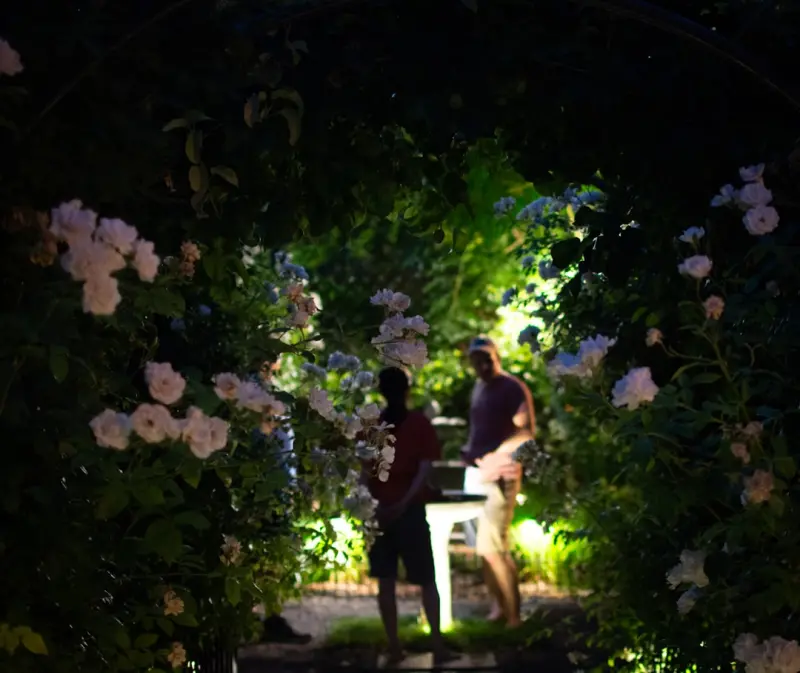
Why Nighttime Gardens Matter
Most homeowners think of their garden as a daytime showcase—full of bright blooms, buzzing pollinators, and the occasional weekend BBQ. Yet the evening holds a secret potential that many overlook: a space where light, scent, and texture converge under a cooler sky, creating a sanctuary that soothes the mind and invites genuine connection. When the sun sets, the garden can transform from a visual feast into an immersive, multi‑sensory experience that extends the usable hours of your outdoor living area.
Beyond aesthetic pleasure, nighttime gardens have practical benefits. Cooler temperatures reduce water loss, allowing you to grow edibles that thrive in the shade and harvest them at dawn. Soft lighting can deter certain pests while attracting night‑active pollinators like moths and bats, which improve biodiversity. And perhaps most importantly, a well‑designed evening space becomes a natural antidote to the digital overload of modern life—offering a place to unwind, reflect, and recharge without the glare of screens.
Lighting Strategies That Feel Natural
The heart of any night garden is its lighting. However, not all light is created equal. Harsh, high‑intensity LEDs can feel clinical, while overly dim setups may leave guests stumbling. The goal is to mimic the moon and stars—soft, diffused, and layered.
- Moon‑phase lamps: These fixtures use dimmable LEDs that shift color temperature to echo the waxing and waning moon. Placing them near pathways or seating zones creates gentle guidance without overwhelming brightness.
- Fairy‑light vines: Wrap low‑voltage string lights around trellises, pergolas, or climbing roses. The result is a twinkling canopy that feels magical yet energy‑efficient.
- Solar‑powered ground spots: Bury small solar panels in the soil to power subtle uplights that highlight statues, water features, or ornamental grasses. Their autonomy means you can add illumination without expanding your electric bill.
- Glow‑in‑the‑dark mulch: For a truly low‑tech touch, consider using mulch infused with phosphorescent minerals. It absorbs sunlight during the day and releases a muted glow after dusk, guiding footsteps in an almost ethereal manner.
When positioning lights, think in layers: ambient lighting for overall mood, task lighting for reading or dining, and accent lighting to highlight architectural or botanical features. A good rule of thumb is to keep the brightest lights no higher than 2,000 lux—roughly the intensity of a bright living room—so that the night sky remains visible.
Scent and Sound After Dark
Our senses don’t shut off when the sun disappears. In fact, the Nature Audio reset you’ve likely heard about in wellness circles becomes even more potent in a garden setting. Pairing subtle soundscapes with fragrant night‑blooming plants turns the backyard into a sensory retreat.
- Night‑scented flora: Think jasmine, gardenia, and sweet woodruff. These plants release their strongest aromas after sunset, filling the air with soothing notes that can lower cortisol levels.
- Water features: A gently bubbling fountain or a small koi pond creates a calming white noise that masks urban sounds, enhancing the feeling of seclusion.
- Wind chimes and bamboo stalks: Position them where breezes pass, allowing wind to produce soft, random tones that blend with the natural soundscape.
- Hidden speakers: If you enjoy curated playlists, install weather‑proof, low‑profile speakers that stream low‑frequency ambient tracks—think distant thunder, crickets, or forest rain.
Integrating scent and sound should be intentional. Avoid overwhelming the space with too many fragrant plants; instead, select a few focal points and let the rest of the garden provide visual texture. The goal is a balanced environment that invites lingering, conversation, or solitary contemplation.
Plant Choices for Evening Appeal
While daytime gardens prioritize bold colors, nighttime spaces benefit from plants that interact with light and shadow. Here are some categories to consider:
- Silvery foliage: Dusty miller, artemisia, and lamb’s ear reflect moonlight, creating a luminous effect that brightens the garden without electricity.
- Textural contrast: Grasses such as fountain grass or Japanese silver grass sway gently, casting soft moving shadows that add dynamism after dark.
- Night‑blooming flowers: Evening primrose, four‑o’clock (mirabilis jalapa), and moonflower open their petals after sundown, providing a visual surprise for late‑hour guests.
- Fragrant herbs: Basil, mint, and rosemary can be placed near seating areas for a subtle aromatic boost when the air cools.
When planning, map out the garden in zones: a lounge zone near the patio, a pathway zonefeature zone
Seasonal Adjustments for Year‑Round Magic
Nighttime garden design isn’t static. Seasons dictate how light, temperature, and plant behavior shift, and your garden should adapt accordingly.
- Spring: Embrace emerging foliage and early‑blooming night flowers. Add temporary LED lanterns to accent new growth and guide early evening walks.
- Summer: Focus on cooling elements—think misting systems hidden behind stone walls, and high‑density foliage that creates shade while allowing moonlight to filter through.
- Autumn: Swap bright whites for warm amber bulbs to echo the season’s golden hues. Incorporate pumpkins or gourds that reflect soft light, adding a festive touch.
- Winter: Highlight evergreens and structural plants that maintain shape in the cold. Use frost‑resistant LED strips to outline pathways, and consider a fire pit or heated stone bench for comfort.
Regularly prune night‑blooming species to encourage repeat flowering, and rotate scented herbs to keep aromas fresh. By treating your garden as a living, breathing entity that changes with the calendar, you’ll maintain its allure throughout the year.
Sustainable Tech for Nighttime Gardens
Modern sustainability tools can elevate your night garden without sacrificing its organic feel. Here are a few low‑impact technologies that blend seamlessly into the landscape:
- Smart irrigation controllers: Devices that sync with local weather forecasts can reduce water usage by pausing during rain or humidity spikes—crucial when evaporation rates are lower at night.
- Wireless battery‑powered LED strips: These eliminate the need for trenching and can be tucked into plant containers or under decking, providing flexible lighting that’s easy to relocate.
- Solar-powered motion sensors: Light up only when movement is detected, conserving energy and adding a playful element for children or pets.
- Biodegradable seed pods: Plant them along pathways for a surprise burst of night‑blooming flowers that self‑sow each season.
While technology enhances convenience, the principle of restraint should guide you. Choose devices that serve a purpose and blend into the visual palette rather than dominate it. In other words, let tech support the garden’s ambience, not dictate it.
Putting It All Together: A Step‑by‑Step Blueprint
Ready to transform your backyard into a moonlit oasis? Follow this practical roadmap:
- Map your zones: Sketch your outdoor space and designate lounge, pathway, and feature areas. Note existing trees, structures, and sun‑exposed spots.
- Choose a lighting hierarchy: Pick ambient fixtures (moon‑phase lamps), task lights (solar ground spots), and accents (fairy‑light vines). Purchase fixtures with warm color temperatures (2700‑3000 K) for a soothing glow.
- Select plants: Prioritize silvery foliage, night‑blooming flowers, and fragrant herbs. Source them from reputable nurseries and consider native varieties for low maintenance.
- Integrate scent and sound: Install a modest water feature, position wind chimes, and plant scented species near seating. If you enjoy curated audio, hide a weather‑proof speaker near the lounge zone.
- Implement sustainable tech: Set up a smart irrigation controller, add motion‑sensor lights, and lay down solar LED strips where needed.
- Seasonal prep: Adjust bulb colors, prune plants, and swap out temporary décor to reflect the current season.
- Test and tweak: After dusk, walk through the space, note any dark spots, overpowering scents, or sound imbalances, and fine‑tune accordingly.
Remember, the magic of a night garden lies in its subtlety. Aim for a design that feels effortlessly curated, where each element invites lingering without demanding attention. Over time, you’ll discover that the garden becomes a quiet companion—offering comfort, conversation, and a touch of wonder long after the sun has set.
For further inspiration, explore how Balcony Forests transform limited spaces, or dive into the Living Wall guide for vertical greenery ideas that can double as moonlit backdrops.

Seth Samual is a name that's quickly becoming synonymous with compelling and insightful writing. As a freelance writer, Seth has carved a niche for himself by delivering high-quality content across a diverse range of subjects.
Related Posts
Why My Garden Desk Is the Hottest Home & Garden Trend of 2024
Rose DesRochers reveals why garden desks are reshaping home productivity, offering a sustainable, we... Read More
Chasing Sunlight: Designing Home & Garden Spaces That Thrive With Natural Light
Discover practical strategies to map sunlight, use reflective surfaces, choose light‑friendly colo... Read More

From Cubicle to Garden: How an Outdoor Desk Transformed My Home Life
A personal journey from office cubicle to garden desk reveals how outdoor workspaces can boost welln... Read More
Top Posts
Why My Garden Desk Is the Hottest Home & Garden Trend of 2024
Rose DesRochers shares her journey turning a backyard patch into a productive garden desk, revealing design tips, health benefits, and why this green workspace ...Read More

Wanderlabs: Turning Every Trip into a Personal Growth Experiment
Treat each journey as a lab by setting simple hypotheses, tracking micro‑habits, and using local soundscapes, turning travel experiences into concrete persona...Read More

Why Portfolio Careers Are the New Competitive Edge
A portfolio career—multiple simultaneous roles—offers modern professionals a resilient path to growth, flexibility, and lasting relevance in an ever‑chang...Read More

Ambient Soundscapes: Tuning Your Brain for Calm and Creativity
Discover how intentional ambient sound can improve focus, lower stress, and foster creativity, offering a low‑cost, science‑backed tool for mental health in...Read More
0 Comments
Post Comment
You will need to Login or Register to comment on this post!