
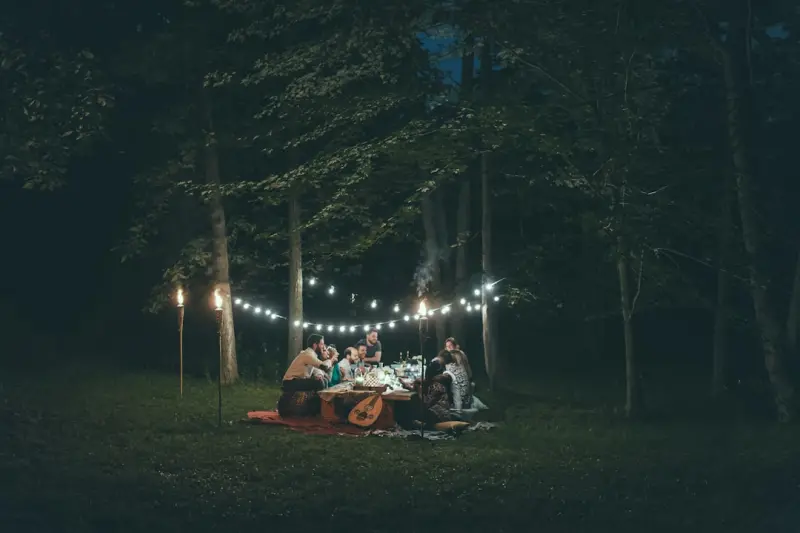
When the sun dips below the horizon and the sky transforms into a deep, velvety canvas, there’s a quiet magic that most of us miss in the hustle of daily life. As someone who has spent countless evenings on a cramped balcony, dreaming of a space where the stars feel within arm’s reach, I’ve learned that a backyard doesn’t need grand acreage or a budget that rivals a luxury resort to become a night‑time sanctuary. All it requires is a thoughtful blend of design, light, and nature‑friendly choices that invite the cosmos into your everyday routine. In this guide, I’ll walk you through the step‑by‑step process of turning your backyard into a starlit oasis—no astrophysics degree required, just a love for the night and a pinch of DIY spirit.
Why a Nighttime Garden Deserves Your Attention
Most garden planning focuses on daylight—color palettes, bloom times, and irrigation. Yet the after‑dark hours offer a different sensory experience: cooler temperatures, the subtle chorus of crickets, and—most importantly—the awe of a clear sky. A night‑focused garden can improve sleep quality, lower stress hormones, and even spark curiosity in children who learn to identify constellations. By deliberately designing for darkness, you also create a low‑light environment that conserves energy and reduces light pollution, contributing to local wildlife health. Think of it as an extension of the Sound‑Smart Sanctuary concept, but tuned for visual serenity instead of acoustic calm.
Choosing Dark‑Sky Friendly Plants
Plants that thrive under moonlight add texture and subtle fragrance without overwhelming the night sky with bright foliage. Here are a few low‑maintenance options that work beautifully in a nocturnal setting:
- White Campion (Silene noctiflora) – Its pale blossoms reflect moonlight, creating a gentle glow.
- Evening Primrose (Oenothera biennis) – Blooms open after dusk, releasing a sweet scent that mingles with night breezes.
- Catmint (Nepeta faassenii) – Silvery foliage catches faint light and attracts pollinators that are active after sunset.
- Japanese Forest Grass (Hakonechloa macra) – Its arching leaves sway gracefully, adding movement to the dark.
Group these plants in clusters of three to five to create visual islands that draw the eye upward toward the sky. Remember to keep the planting area free of reflective surfaces that could scatter artificial light and diminish the star view.
Lighting Design That Enhances, Not Obscures
The art of night‑time garden lighting is a balancing act. The goal is to illuminate pathways and seating without drowning out the stars. Here are my favorite techniques:
- Low‑Intensity Ground Lights – Install LED fixtures with a color temperature of 2,700 K or lower. Bury them flush with the soil to cast a subtle wash over stone walkways.
- Solar‑Powered Path Markers – Choose amber‑hued globes that charge by day and emit a soft, amber glow after sunset. They’re eco‑friendly and eliminate wiring hassles.
- Star‑Shaped String Lights – Drape these sparingly across a pergola or trellis. Their tiny bulbs mimic distant stars, reinforcing the celestial theme without competing with actual constellations.
- Hidden Spotlights – Position a narrow‑beam LED under a tall shrub to highlight a specific plant or sculpture, creating a focal point that draws the eye upward.
When you’re tempted to add a bright floodlight for safety, consider using motion‑sensor LEDs that only fire when someone approaches, preserving darkness for everyone else.
Creating the Perfect Stargazing Seat
Comfort is a cornerstone of any night‑time retreat. A well‑placed seat encourages lingering, allowing you to watch meteors drift by or simply breathe in the cool air. Here are three DIY seating ideas that blend seamlessly with a garden aesthetic:
- Reclaimed Wood Bench – Salvage a sturdy pallet, sand it down, and treat it with a weather‑proof finish. Add a thick cushion in a muted, earth‑tone fabric to keep the focus on the sky.
- Hammock with a Canopy – Choose a lightweight, breathable hammock and drape a sheer, UV‑resistant canopy overhead. The canopy filters out stray artificial light while still offering protection from dew.
- Stone or Concrete Low Wall – Construct a low retaining wall with river rocks or poured concrete, then embed a built‑in bench. The mass of stone absorbs sound, enhancing the quiet of the night.
Place your chosen seating on the side of the garden where the horizon is most visible—often the east or south side, depending on your geographic location.
DIY Telescope Setup: Bringing the Cosmos Closer
If you’ve ever wished you could see the rings of Saturn or the craters of the Moon without traveling to a planetarium, a modest telescope can make that wish a reality. Here’s a simple, budget‑friendly setup:
- Select a Refractor Telescope – A 70‑mm aperture model offers crisp images and is lightweight enough to move around.
- Mount on a Portable Tripod – Look for a tripod with adjustable legs and a fluid head for smooth tracking.
- Install a Smartphone Adapter – This lets you attach your phone’s camera to capture long‑exposure shots of deep‑sky objects.
- Use a Light‑Blocking Cover – A simple dark cloth draped over the telescope’s tube reduces stray light and improves contrast.
- Plan Observation Nights – Check online tools like “Clear Sky Chart” to find nights with minimal cloud cover and low lunar illumination for the best star visibility.
Even a modest telescope transforms a backyard into an educational hub, encouraging family members of all ages to explore astronomy together.
Integrating a Fire Feature for Warmth and Atmosphere
While the stars provide visual wonder, a subtle fire element adds tactile comfort. A small, smokeless fire pit—preferably one that runs on bio‑ethanol—offers warmth without the mess of traditional wood. Position the pit near your seating area, but keep it at least three meters away from any flammable plants. A low, glowing ember also creates a gentle, amber halo that can be used for low‑light reading or quiet conversation without compromising the overall darkness needed for stargazing.
Sustainable Practices: Harvesting Rainwater for Nighttime Irrigation
Nighttime gardens have the added advantage of reduced evaporation, meaning you can often water them in the early evening without waste. Installing a rain barrel—preferably one with a dark, UV‑resistant coating—allows you to collect runoff from roof gutters and use it to keep your nocturnal plantings hydrated. Connect a simple gravity‑fed drip system to the barrel, and schedule watering just after sunset. This approach not only conserves water but also aligns with the Seasonal Outdoor Living Room philosophy of creating adaptable, eco‑friendly outdoor spaces.
Seasonal Adjustments to Keep the Oasis Fresh
Just as indoor décor evolves with the seasons, so too should your night garden. Here are quick swaps you can make throughout the year:
- Spring – Add early‑blooming night flowers like moonwort, and replace winter blankets on stone benches with light, breathable throws.
- Summer – Swap out heavy cushions for quick‑dry, mesh fabrics; incorporate a misting system to keep the air cool for comfortable stargazing.
- Fall – Introduce lanterns with amber candles to complement the golden hues of changing leaves, and replace any bright summer lighting with deeper, amber tones.
- Winter – Add insulated seating pads, and consider a low‑profile heated mat beneath the bench for those crisp, clear nights when the air bites.
These seasonal tweaks ensure that your backyard remains inviting and functional, no matter the temperature or length of night.
Bringing It All Together: A Nighttime Routine
To make the most of your starlit oasis, develop a simple evening ritual:
- Close interior curtains 30 minutes before sunset to reduce indoor light spill.
- Activate your low‑intensity pathway lights and let the garden glow into darkness.
- Settle into your chosen seat with a warm beverage—perhaps a herbal tea that promotes relaxation.
- Turn on the fire pit for a gentle heat source, then adjust the telescope if you’re feeling adventurous.
- Spend at least ten minutes gazing upward, noting any constellations or shooting stars that catch your eye.
- Finish with a few deep breaths, allowing the quiet night to reset your mental palette for the next day.
Following this routine transforms a simple backyard into a personal retreat—a place where you can unwind, reconnect with nature, and let the universe remind you of the bigger picture.
In a world where screens dominate our evenings, carving out a dark, star‑filled corner of your property is both an act of rebellion and a gift to your well‑being. By thoughtfully selecting plants, mastering subtle lighting, and adding comfortable, sustainable touches, you’ll create a backyard haven that invites the night sky into your life—one peaceful, starlit evening at a time.

Robert Mathews is a professional content marketer and freelancer for many SEO agencies. In his spare time he likes to play video games, get outdoors and enjoy time with his family and friends .
Related Posts
Rain Gardens: Turning Stormwater Into a Backyard Bonus
Discover the step‑by‑step process to create a rain garden that transforms runoff into a vibrant,... Read More
Jimmy Damon’s Garden Desk Revolution: How Green Workspaces Are Redefining Home & Garden Living
Jimmy Damon shares his garden desk transformation, blending nature with work to boost productivity a... Read More

Pocket-Scale Outdoor Retreats: Designing Mini Gardens for Busy Lives
A practical guide to turning even the tiniest outdoor corners into tranquil retreats, blending style... Read More
Top Posts

AI as Your Product’s Quiet Co‑Pilot: Harnessing Subtle Intelligence for B2B SaaS
A quiet AI co‑pilot can transform B2B SaaS operations by providing proactive guidance, building trust through explainable insights, and delivering measurable ...Read More

When Algorithms Whisper: Harnessing AI as a Silent Partner in Creative Innovation
Discover the subtle power of AI as a creative ally that nudges ideas, deepens emotional insight, and transforms personal workflows without replacing the human t...Read More

AI as the Quiet Engine Driving Sustainable Business Growth
Discover how AI can quietly guide companies toward greener profits by balancing cost, emissions, and social impact—turning data chaos into actionable, sustain...Read More

Reinvent Your Role: The Art of Job Crafting in Modern Workplaces
Learn how to redesign your current role through job crafting, aligning personal strengths with business goals to drive satisfaction and career growth....Read More
0 Comments
Post Comment
You will need to Login or Register to comment on this post!