
Why Smart Storage Deserves a Spot on Your Home Improvement List
Ever walked into a room and felt the invisible weight of clutter pressing down on your mood? That subtle stress is a signal that your living space is trying to tell you something—namely, that the current storage strategy is failing to keep pace with the items you accumulate, from daily mail to seasonal décor, and everything in between. By treating storage as a design problem rather than a mere after‑thought, you can reclaim square footage, boost visual calm, and create a home that feels intentionally spacious, even when square footage stays the same.
Elevate Vertical Real Estate with Tension Rods and Overhead Shelves
One of the most underutilized dimensions in any room is the space that stretches from floor to ceiling, and harnessing that vertical real estate can dramatically shift the balance between chaos and order. Simple tools like tension rods, installed behind cabinet doors or between bookshelf backs, become invisible dividers for rolled‑up towels, cutting boards, or even kid‑sized art supplies, while floating overhead shelves turn unused ceiling height into display zones for plants, books, or decorative baskets. The key is to keep the installation low‑maintenance—choose hardware that can be repositioned without drilling, so you retain flexibility as your storage needs evolve.
Turn Furniture Footprints into Hidden Storage Powerhouses
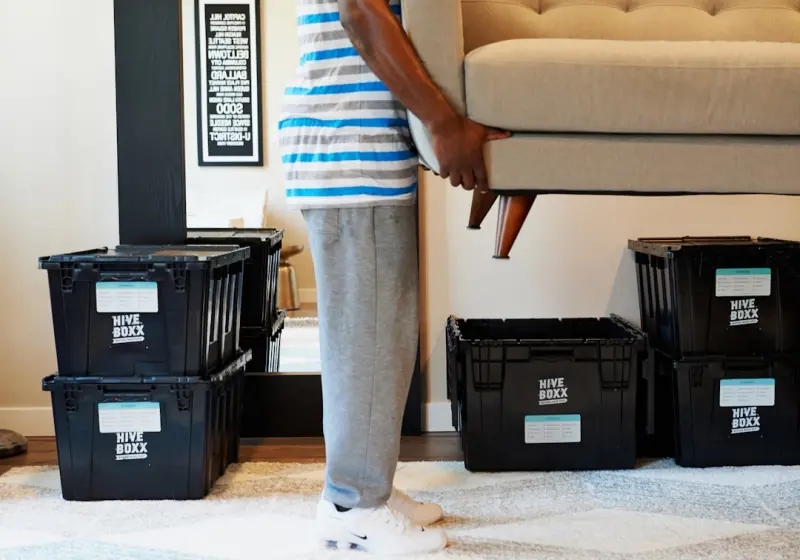
Every piece of furniture you bring into a room carries untapped storage potential, especially when you think beyond the surface and consider what lies beneath or inside. A sturdy coffee table with a lift‑top, for example, can double as a secret stash for blankets, board games, or even a rolling office cart, while a bed frame with built‑in drawers eliminates the need for a separate chest of drawers in cramped bedrooms. Even the space under a sofa can be outfitted with shallow bins or rolling trays, turning an otherwise wasted gap into a go‑to spot for magazines, remote controls, or seasonal shoes.
Multipurpose Furniture: The Swiss‑Army Knife of Home Design
When space is at a premium, each piece of furniture should earn its keep by serving more than one purpose, a philosophy that transforms ordinary rooms into adaptable environments ready for work, play, and relaxation. A bench that opens into a storage chest, for instance, provides seating at the entryway while concealing umbrellas, pet leashes, or gardening tools; a wall‑mounted desk that folds away when not in use frees up floor space for yoga or craft projects. By prioritizing pieces that blend form and function, you reduce the need for additional storage units, keep pathways clear, and maintain a sleek aesthetic that feels purposeful rather than cluttered.
Labeling Systems and Color Coding: Visual Cues That Keep Chaos at Bay
Even the smartest storage solutions crumble without a clear system for locating items, and that’s where labeling and color coding step in as unsung heroes of organization. Instead of relying on memory alone, affix durable tags or printed labels to bins, drawers, and shelves, grouping similar objects—like pantry staples, office supplies, or hobby materials—under recognizable headings. Adding a splash of color—perhaps blue for cleaning supplies, green for gardening tools, and amber for seasonal décor—creates an instant visual map that anyone in the household can navigate, reducing the time spent hunting for misplaced items and minimizing the temptation to create ad‑hoc “temporary” piles.
Low‑Effort Home Hacks That Complement Smart Storage
While rethinking storage is a major undertaking, sprinkling in a few low‑effort home hacks can amplify the sense of order and comfort throughout the house. For example, swapping heavy drapes for light, breathable curtains not only improves airflow but also reduces the need for bulky heating devices that crowd closets. Similarly, installing magnetic strips on the side of a kitchen cabinet to hold spice tins frees up drawer space, and a simple shoe rack placed by the entryway prevents footwear from spilling onto the floor, keeping the visual line of sight clean and inviting.
Integrate Tiny Ritual Strategies for Ongoing Maintenance
Even the most sophisticated storage plan can deteriorate without a habit of regular upkeep, and that’s where the concept of tiny daily rituals becomes invaluable. Set aside five minutes each evening to return items to their designated homes, a practice that mirrors the discipline of a tiny ritual strategy for personal confidence; the consistency creates a mental cue that the house is a space you respect and protect. By coupling these micro‑routines with a weekly “reset”—perhaps a quick sweep of the hallway closet or a re‑evaluation of the pantry layout—you reinforce the habit loop, ensuring that your storage systems remain functional and aesthetically pleasing over the long term.
Sustainable Choices: Eco‑Friendly Materials and Repurposing
Smart storage doesn’t have to come at the expense of the planet; in fact, many environmentally conscious options double as stylish statements that elevate a room’s character. Repurposing wooden pallets into wall‑mounted shelves, converting vintage suitcases into bedside storage, or using woven bamboo baskets for laundry can inject personality while reducing waste. Choose storage containers made from recycled plastics or biodegradable fibers, and prioritize items that can be easily disassembled for recycling at the end of their life cycle. These green decisions not only lower your carbon footprint but also align your home’s visual narrative with a broader commitment to responsible living.
Maintenance Made Simple: Seasonal Audits and Flexibility
Just as you rotate your wardrobe with the seasons, conducting a bi‑annual storage audit ensures that each compartment continues to serve its intended purpose without becoming a dumping ground for forgotten items. During these audits, remove anything that no longer sparks joy or utility, and consider donating or upcycling before discarding. Flexibility is key—opt for modular storage units that can be reconfigured as life changes, whether you’re welcoming a new pet, transitioning to a home office, or downsizing after a move. By treating storage as a living system rather than a static set‑up, you maintain a fluid environment that adapts gracefully to evolving needs.
Final Thoughts: Turning Clutter Into Calm, One Smart Choice at a Time
The journey from a cluttered house to a sanctuary of smart storage is less about dramatic overhauls and more about intentional, incremental choices that compound over time. By leveraging vertical space, embracing multipurpose furniture, adopting clear labeling, and embedding tiny maintenance rituals into your daily routine, you transform chaos into calm without sacrificing style or sustainability. As you experiment with these strategies, remember that the ultimate goal is a home that supports your lifestyle, fuels your creativity, and welcomes you with open arms after a long day—because a well‑organized space is the silent partner that lets you focus on what truly matters.

Ryan Stuart is a seasoned freelance features writer, editor, and professional photographer with a passion for exploring the world and capturing its beauty through words and images.
Related Posts
Creative Ways to Make a Small Home Feel Spacious and Serene
Learn practical, low‑cost strategies—like scent layering, flexible zones, and DIY cleaning—to ... Read More
The Art of Invisible Storage: Clever Ways to Hide Clutter in Every Room
Learn how to create a calm, clutter‑free home using invisible storage techniques. From pull‑out ... Read More
Transform Your Home with Smart, Mood‑Boosting Lighting
Learn how to revamp your home’s lighting to enhance comfort, focus, and wellbeing using smart tech... Read More
Top Posts

The Art of the Seasonal Window Garden: Bringing the Outdoors Inside
Learn to create a vibrant, year‑round window garden that adds fresh herbs, colors, and calming scents to your home, using smart plant choices, vertical soluti...Read More

The Low‑Tech Revamp: Turning Every Room into a Calm, Productive Oasis
This guide shows how simple, low‑tech tweaks—like optimizing natural light, creating no‑screen zones, and adding tactile comforts—can transform any home...Read More

Reimagining Performance Reviews for Hybrid Teams: A Growth‑First Playbook
Traditional annual reviews are failing in hybrid work environments. This post introduces a four‑pillar, growth‑first framework—continuous dialogue, streng...Read More
How Garden Desks Are Transforming Employment: Rose DesRochers' Insight
Rose DesRochers reveals how swapping a cubicle for a garden desk reshapes productivity, health, and company culture, offering a practical guide to the green wor...Read More
0 Comments
Post Comment
You will need to Login or Register to comment on this post!