
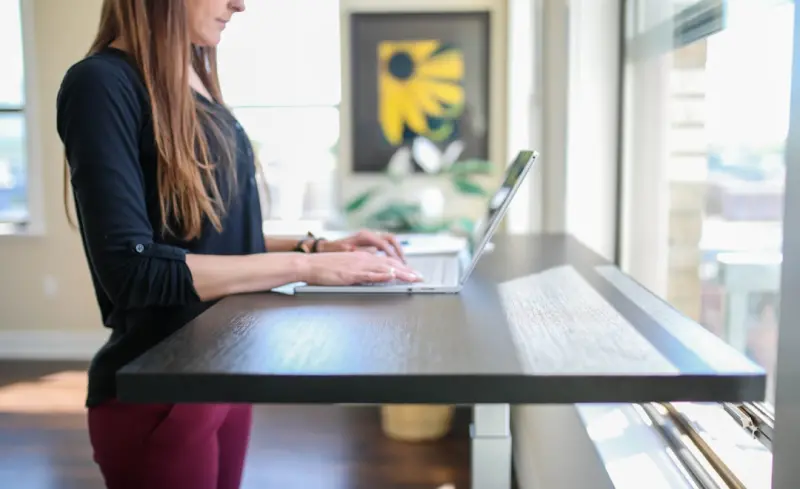
When I first transitioned to a fully remote role, my home office felt like a second skin. The comfort was deceptive—hours slipped by, my chair became a permanent fixture, and a subtle, lingering ache began to settle in my lower back. It wasn’t until a colleague suggested a five‑minute “movement micro‑break” that I realized my body had been silently pleading for motion. That tiny habit sparked a cascade of changes, not just in my posture, but in my focus, mood, and overall sense of well‑being.
Why Micro‑Movement Matters More Than You Think
We’ve all heard the grand narratives: “Stand up, stretch every hour,” or “Take a 30‑minute walk during lunch.” Those are valuable, but they can feel overwhelming when you’re juggling meetings, deadlines, and the endless ping of notifications. Micro‑movement—brief, purposeful actions lasting 30 seconds to two minutes—offers a realistic, low‑friction way to keep the body and brain in sync.
Science backs this up. Research on “muscle‑pump” activity shows that even a short burst of movement spikes blood flow, delivering oxygen and nutrients to the brain. The result? Sharper concentration, reduced mental fatigue, and a subtle boost in mood‑regulating neurotransmitters like dopamine and serotonin. In other words, a quick leg stretch can be the antidote to the afternoon slump.
Designing a Micro‑Movement Routine That Sticks
Creating a habit that lasts isn’t about willpower; it’s about design. Below is a step‑by‑step framework I’ve refined over months of trial and error.
- Identify the Trigger. Pair movement with an existing habit—perhaps right after you close an email thread, or when your calendar pings for a meeting.
- Choose Simple, No‑Equipment Moves. Think ankle circles, seated spinal twists, or desk‑top push‑ups. The goal is ease of execution, not intensity.
- Set a Timer. Use a gentle alarm or a phone widget that reminds you every 45‑60 minutes. The sound should be subtle, not disruptive.
- Track Progress. A quick log in a notebook or a digital habit tracker reinforces accountability.
- Celebrate Micro‑Wins. After a week of consistency, reward yourself with a favorite tea or a short walk outside.
When I first tried this, I paired the trigger with the “end of a Zoom call” cue. As soon as the call ended, I’d stand, roll my shoulders, and do a set of calf raises. The rhythm became automatic, and I no longer needed a timer.
Five Proven Micro‑Movement Exercises for Desk Dwellers
Below are my go‑to moves, each designed to target a different part of the body that tends to suffer during prolonged sitting.
- Seated Spinal Twist – Sit upright, place your right hand on the back of the chair, and gently rotate your torso to the right, looking over your shoulder. Hold for 15 seconds, then switch sides. This releases tension in the lumbar region and improves spinal mobility.
- Desk‑Top Push‑Ups – Place hands shoulder‑width apart on the desk, step back a few inches, and perform a push‑up. Aim for 5‑8 reps; this activates the chest, shoulders, and core without requiring floor space.
- Ankle Circles – Lift one foot off the ground, rotate the ankle clockwise for 10 circles, then counter‑clockwise. Repeat with the other foot. This encourages circulation and prevents blood pooling in the lower limbs.
- Standing Calf Raises – Stand behind your chair, hold the back for balance, and rise onto your toes. Lower slowly. Perform 10 reps. Calf raises stimulate the venous pump, reducing swelling.
- Neck Release – Gently drop your ear toward your shoulder, hold for 10 seconds, then repeat on the opposite side. Follow with a slow chin‑to‑chest stretch. This eases tension from prolonged screen‑time.
Each movement can be completed in under a minute, making it easy to slip into a busy schedule.
The Hidden Link Between Micro‑Movement and Digital Boundaries
Physical movement isn’t isolated from mental health; the two are deeply intertwined. When you step away from the screen, even briefly, you create a mental pause—a chance to reset your cognitive load. This aligns perfectly with the principles outlined in digital boundaries. By anchoring a micro‑movement break to the end of a digital task, you’re simultaneously honoring both your body and your mental bandwidth.
Consider this scenario: After a marathon of back‑to‑back emails, you pause for a 60‑second calf raise series. During that pause, you also close the email client, allowing your brain to disengage from the stream of notifications. The result is a dual reset—physiological and psychological—making it easier to transition to the next task with renewed clarity.
Lighting Up Your Movement: The Role of Ambient Light
While micro‑movement fuels circulation, the environment in which you move can amplify its benefits. Natural or well‑designed artificial light helps regulate circadian rhythms, which in turn influences energy levels and muscle performance. If you’ve ever felt a dip in motivation during a dimly lit afternoon, you’re not alone.
Integrating ambient light therapy with your movement routine creates a synergistic effect: brighter light cues your brain that it’s time to be alert, while the physical activity signals that it’s time to move. Position your desk near a window, or use a daylight‑mimicking lamp that adjusts throughout the day. Pair a stretch with a quick glance at the sunrise or a burst of cool, blue‑rich light for an instant energy lift.
Micro‑Movement for Different Work Styles
Not every remote worker has the same schedule or workspace. Below, I outline variations to accommodate three common scenarios.
1. The “Marathon‑Meeting” Professional
If you spend several hours in back‑to‑back virtual meetings, schedule a 30‑second movement at the end of each call. A simple seated spinal twist or neck release can relieve the tension that builds from staring at a screen.
2. The “Creative‑Flow” Freelancer
Creative bursts often come in waves. When you feel the momentum start to wane, pause for a quick standing calf raise series. This brief shift can reignite blood flow to the brain, helping you maintain the creative spark.
3. The “Parent‑Juggler”
Balancing work and family duties leaves little uninterrupted time. Embed micro‑movement into everyday moments: do ankle circles while waiting for the kettle to boil, or stretch while your child is on a video call.
Tracking Success: Data‑Driven Habit Building
One of the unexpected joys of adopting micro‑movement is the ability to measure its impact. I started logging three metrics for a month:
- Energy Rating – A 1‑10 scale recorded before and after each movement break.
- Posture Score – An informal self‑assessment of back comfort at the end of the day.
- Task Completion Time – Average time taken to finish routine tasks, noted weekly.
After two weeks, my energy rating rose by an average of 2 points, my posture score improved, and I shaved roughly five minutes off my typical email‑sorting session. The data reinforced the habit, turning a small ritual into a measurable performance enhancer.
Common Pitfalls and How to Overcome Them
Even the most well‑intentioned plans can stumble. Here are the obstacles I encountered—and the fixes that kept me moving.
- “I Don’t Have Time.” – Reframe the movement as an investment, not an expense. A 60‑second break can save minutes later by reducing fatigue.
- “I Forget.” – Pair movement with a non‑negotiable event (e.g., “after I finish a document”). The stronger the cue, the better the habit.
- “It Feels Silly.” – Choose moves that feel natural to you. If calf raises feel odd, replace them with shoulder rolls or a quick desk‑side march.
- “My Space Is Limited.” – Opt for seated exercises or use the perimeter of your desk for low‑impact moves.
Integrating Micro‑Movement Into Team Culture
Individual health is important, but there’s power in collective momentum. I introduced a “Micro‑Movement Minute” at the start of our weekly team huddle. The whole group would stand, stretch, and share a quick tip for staying active. The result? A boost in morale, a shared sense of responsibility for well‑being, and a subtle shift toward a more dynamic meeting culture.
Encouraging your organization to adopt a brief, inclusive movement pause can normalize the practice, reduce stigma around taking breaks, and reinforce the idea that health is a shared priority.
Looking Ahead: The Future of Desk‑Side Wellness
As hybrid work models evolve, the line between office ergonomics and home environment design will blur. I envision a future where desks come equipped with built‑in movement sensors, prompting users with personalized micro‑movement suggestions based on posture data. Imagine your computer flashing a subtle reminder: “Time for a seated twist!” paired with a soft light cue to enhance alertness.
Until that technology becomes mainstream, we have the agency to design our own micro‑movement ecosystems. By combining purposeful movement, thoughtful lighting, and clear digital boundaries, you can transform a static workspace into a dynamic hub of health and productivity.
Give it a try. Set a timer, stand up, stretch, breathe, and watch how those tiny moments ripple into larger gains—both for your body and your mind.

Margaret Thomson is a seasoned freelance writer specializing in the dynamic worlds of marketing and advertising. With a career deeply rooted in the marketing field, Margaret brings a wealth of practical experience and insightful knowledge to her writing.
Related Posts
Walking Meditation: A Simple Step Toward Lasting Calm
Explore the power of walking meditation: a portable, science‑backed practice that blends movement ... Read More
Recalibrating Your Body Clock: A Fresh Take on Circadian Health
Discover practical, science‑backed ways to sync your internal clock, boost energy, and improve ove... Read More
Micro‑Movement Moments: Recharging Your Body in a Desk‑Centric World
Micro‑movement moments are short, intentional bursts of activity that counteract the toll of prolo... Read More
Top Posts
Breathing Into Balance: A Modern Guide to Respiratory Wellness
Explore practical breathwork techniques that fit into busy schedules, enhance mental clarity, and support overall health without any costly equipment....Read More
Why Garden Desks Are the Secret to Modern Employment Success
Explore why outdoor workspaces are reshaping employment, from personal transformation to strategic advantages for companies....Read More
When AI Becomes Your Co‑Creator: Rethinking Human‑Machine Collaboration
Discover why treating AI as a collaborative partner—rather than just a tool—boosts creativity, builds trust, and safeguards ethics, offering a fresh roadmap...Read More

Why Outdoor Workspaces Are Redefining the Employee Experience
Explore the rise of garden desks, their impact on focus, team culture, and the future of work, and learn practical steps to create your own outdoor workspace....Read More
0 Comments
Post Comment
You will need to Login or Register to comment on this post!