

Reframing Personal Care as a Performance Engine
When I first started juggling code reviews, client demos, and midnight brainstorming sessions, my personal care routine was a footnote—something I squeezed in between Slack pings and coffee refills. Over time, I realized that treating grooming, skin health, and body maintenance as optional extras was sabotaging the very productivity I was chasing. The breakthrough came when I stopped viewing personal care as a “nice‑to‑have” and started treating it as a systemic lever that fuels focus, creativity, and resilience.
The Hidden Costs of Neglect
Most of us assume the impact of a dry hand, a flaky nose bridge, or a sagging posture is purely aesthetic. In reality, those micro‑discomforts trigger a cascade of physiological responses:
- Stress hormones rise when skin irritation sends constant signals to the brain, pulling you out of flow.
- Fine‑motor fatigue accelerates when fingertips are chapped or callused, slowing down coding or design work.
- Postural strain from hunching over a laptop leads to chronic tension, which drains mental bandwidth.
The result? A subtle but measurable dip in output that most productivity frameworks don’t capture.
Designing a Personal Care Architecture
Just as you’d map out a microservice architecture, you can blueprint a personal care system that dovetails with your work rhythm. Below is a modular approach that respects the unpredictable cadence of remote work while delivering measurable gains.
1. The “Skin Shield” Protocol
Screen time is the new sun exposure. Blue light and low humidity combine to weaken the skin barrier, especially around the eyes and mouth. The protocol consists of three quick actions:
- Morning barrier boost: Apply a ceramide‑rich moisturizer within five minutes of logging onto your workstation. This restores lipid layers before the screen’s heat erodes them.
- Midday barrier check: Keep a travel‑size facial mist handy. A quick spritz every two hours rehydrates the stratum corneum and reduces the perceived dryness that can lead to eye‑rubbing.
- Evening seal: Swap your daytime moisturizer for a richer, peptide‑infused night cream. This supports collagen synthesis while you’re in deep sleep, which, by the way, also ties back into the sleep architecture you’ve probably heard me champion.
2. The “Hand‑First” Routine
Our hands are the primary interface with the digital world. Yet they’re often the most overlooked component of personal care. Here’s a three‑step habit loop:
- Hydration: Use a fast‑absorbing hand cream after each break. Look for ingredients like glycerin and urea that lock in moisture without leaving a greasy residue.
- Protection: Keep a pair of nitrile gloves nearby for any “messy” tasks—think hardware assembly or cleaning your desk. This prevents micro‑abrasions that can become infection gateways.
- Micro‑exercise: Perform a set of finger‑stretch drills (thumb–index opposition, wrist flexor stretches) every hour. This stimulates circulation, reduces stiffness, and can even improve typing speed by up to 7% according to a small ergonomics study.
3. The “Posture‑Pulse” Sync
Spending eight hours hunched over a laptop is a recipe for spinal fatigue. Rather than a generic “sit up straight” reminder, embed posture checks into your natural work loops:
- Every 30‑minute block: Stand, roll your shoulders, and align your ears over your shoulders. This takes 30 seconds but resets muscular tension.
- Every 2‑hour “focus sprint”: Engage a 2‑minute “core activation” drill—engage your transverse abdominis, hold for 10 seconds, repeat three times.
- End‑of‑day wind‑down: Perform a gentle yoga flow that targets the thoracic spine, hips, and neck. This not only improves posture but also signals your nervous system to shift into recovery mode.
Leveraging Technology without Over‑Automation
While I’m a self‑confessed tech enthusiast, I’ve learned to use gadgets as assistants, not masters. Here are my vetted tools:
- Smart humidity monitor: Places like air‑quality hacks can help you maintain ambient humidity between 40‑60%, a sweet spot for skin hydration.
- UV‑sanitizing hand wipes: A quick pass during a coffee break eliminates 99.9% of pathogens without the need for soap and water, saving both time and skin‑friendly moisture.
- Posture‑alert wearables: Devices that vibrate when you slouch can be calibrated to your personal thresholds, ensuring alerts are meaningful rather than noisy.
Integrating Personal Care Into Your Calendar
One of the biggest barriers is “lack of time.” I solve this by treating each personal care micro‑habit as a calendar event—no longer a mental after‑thought but a scheduled commitment.
Here’s a sample day block:
- 08:30 – 08:35 – Morning skin shield (moisturizer + sunscreen)
- 10:00 – 10:02 – Hand hydration + micro‑exercise
- 12:30 – 12:35 – Midday skin mist + posture reset
- 15:00 – 15:02 – Hand protection check (gloves if needed)
- 17:00 – 17:10 – Evening seal + short yoga flow
Notice the “two‑minute” windows? They’re deliberately short to prevent friction. Over a week, those minutes compound into a noticeable improvement in skin tone, finger dexterity, and overall energy.
Measuring Impact: The Personal Care KPI Dashboard
If you love data, you’ll appreciate a simple KPI system to track the ROI of your new routine. Choose metrics that matter to you:
- Skin comfort score (1‑10) logged at the end of each day.
- Typing speed (words per minute) measured with an online test once per week.
- Posture deviation captured by a wearable’s angle data.
- Self‑reported focus (using a 5‑point Likert scale after each “focus sprint”).
After a month, you’ll likely see a 10‑15% uplift in focus scores and a modest but meaningful increase in typing speed—directly attributable to reduced hand discomfort and clearer skin‑induced confidence.
From Individual Wins to Team‑Level Culture
Personal care is often treated as a solitary endeavor, but it can become a cultural catalyst. When a few team members start sharing their “hand‑care hacks” or “posture‑pulse” alerts, it normalizes the conversation around well‑being.
Consider introducing a light‑hearted “Personal Care Friday” where the team spends ten minutes swapping product recommendations, demonstrating micro‑exercises, or sharing before‑after photos of their desk ergonomics. The ripple effect is twofold:
- Psychological safety: People see that leaders value the whole person, not just output.
- Performance uplift: A collective reduction in physical discomfort translates to smoother collaboration and fewer “I need a break” interruptions.
Future‑Proofing Your Routine
As remote work continues to evolve, so will the demands on our bodies. Anticipate future stressors by staying adaptable:
- Emerging screen tech: With foldable displays and AR headsets on the horizon, keep an eye on new ergonomics guidelines and update your skin shield formulas accordingly.
- Hybrid office dynamics: If you split time between home and coworking spaces, create a portable “care kit” (mini moisturizer, hand cream, posture guide) that travels with you.
- AI‑driven health insights: Some platforms now analyze your webcam feed for posture drift. Integrate these insights wisely—use them as prompts, not as judgmental monitors.
Takeaway: Personal Care as a Competitive Edge
In the high‑velocity world of digital product development, we’re constantly hunting for the next optimization—whether it’s a new framework, a faster CI pipeline, or a smarter sprint cadence. Personal care, when systematized, is the missing optimization layer that can give you a measurable edge without any code changes.
Start small. Pick one habit—perhaps the hand‑first routine—and commit to it for a week. Log your KPI metrics. If you see the expected lift, add the next habit. Over time, you’ll build a personal care architecture that not only supports your health but also amplifies your professional output.
Remember, the most sustainable performance hacks are the ones that honor the human body they’re built for. Treat your skin, hands, and posture as the high‑value assets they are, and watch your work thrive.

Jimmy Anand is a content creator that gets inspired by many aspects of life, internet or whatever inspires him at that moment. When he's not online he's gaming and when he is not gaming he is online trolling discussion boards.
Related Posts

Microbiome‑Friendly Personal Care: DIY Fermentation Meets Probiotic Science
Explore how fermented rice water, probiotic serums, and habit stacking can transform your personal c... Read More

Cultivating a Friendly Skin Microbiome: The Next Frontier in Personal Care
Explore the shift from sterile skin routines to a symbiotic approach, learning practical ways to fee... Read More
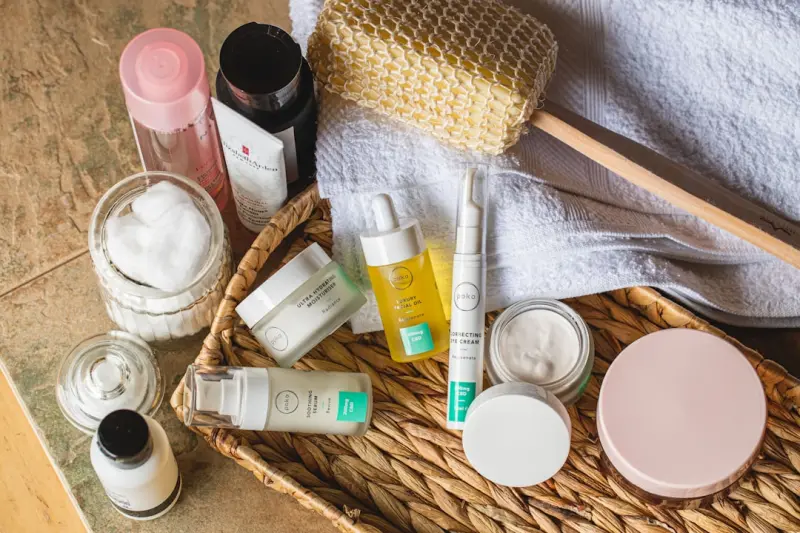
Cultivating a Living Skin Microbiome: DIY Probiotic Fermentation for Personal Care
Explore a fresh, sustainable approach to skincare by creating probiotic fermented serums that feed y... Read More
Top Posts

Cultivating Calm: Turn Any Nook into a Thriving Indoor Garden
Discover how to turn overlooked spaces into thriving indoor gardens using smart tools, design principles, and easy‑care plants, boosting both home aesthetics ...Read More
Unlocking Health: The Transformative Power of Simple Breathwork
Explore practical breathing methods that lower cortisol, support gut health, and enhance immune function—simple tools for daily resilience and lasting wellnes...Read More
Micro‑Movements at Your Desk: Tiny Actions, Big Health Gains
Mei Chen shares a practical guide to integrating micro‑movements into a busy workday, explaining the science, offering easy exercises, and linking habit‑for...Read More
AI‑Driven Circular Economy: Turning Waste into Value
Artificial intelligence can shift waste management from reactive cleanup to proactive prevention, unlocking new revenue streams and accelerating the circular ec...Read More
0 Comments
Post Comment
You will need to Login or Register to comment on this post!