
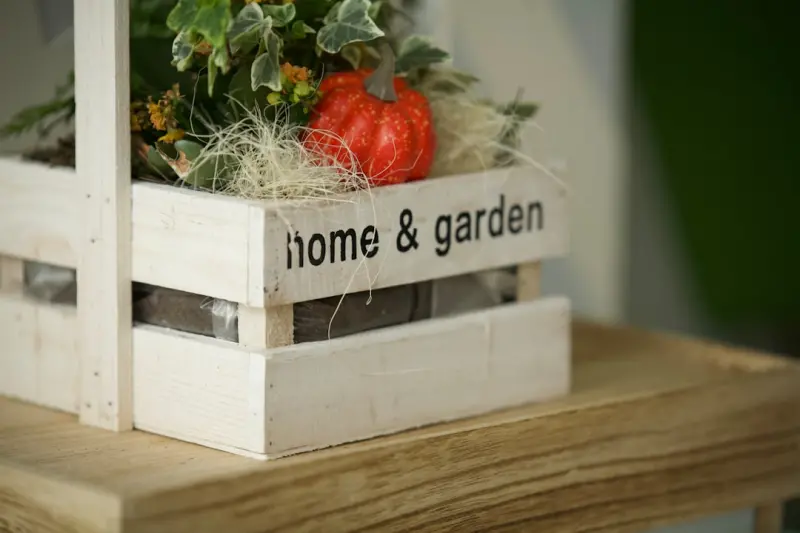
Why Vertical Gardening Is a Game‑Changer for Small Yards
When your yard feels cramped, the sky above becomes the next frontier, and vertical gardening offers a clever way to turn blank walls, fence lines, and balcony railings into thriving, living art that multiplies growing space without sacrificing precious square footage. By stacking plants upward, you not only reclaim ground but also create a dynamic backdrop that shifts with the seasons, delivering fresh produce, fragrant blooms, and a soothing splash of green that can be enjoyed from inside or out. This approach reshapes the way you interact with your outdoor environment, turning ordinary structures into functional ecosystems that feed, scent, and calm you daily.
Planning the Perfect Vertical Canvas
The first step is to assess the structural integrity and sun exposure of the surface you intend to colonize; a sturdy, sun‑lit wall that receives at least six hours of direct light will support the majority of vegetable and flower selections, while shaded sections are ideal for ferns, ivies, and shade‑loving herbs. Next, consider the load‑bearing capacity—lightweight modular pockets or reclaimed pallet systems work well on most residential fences, whereas heavier soil‑filled troughs may require reinforced brackets or a concrete anchor. Finally, map out a seasonal planting calendar that aligns with your climate zone, ensuring that each tier of your vertical garden has a purpose throughout the year, from early‑spring salad greens to late‑summer ornamental vines.
Selecting a Plant Palette That Thrives Upward
Choosing the right plants is the heart of a successful vertical garden; fast‑growing herbs like basil, thyme, and mint provide a culinary edge while cascading varieties such as nasturtium, petunia, and sweet pea add vibrant color and natural pest‑repellent properties. For a touch of texture, mix in succulent clusters or ornamental grasses that tolerate drier conditions on higher tiers, and intersperse fruiting vines like strawberries or dwarf tomatoes to maximize edible output. Remember to match plant height and growth habit with the vertical space available, allowing taller climbers to dominate the uppermost levels while low‑lying foliage fills the base, creating a layered look that feels both intentional and abundant.
DIY Structures: From Pallets to Pocket Planters
Building your own vertical framework can be as simple as repurposing a wooden pallet, attaching landscape fabric to the back, and inserting pre‑drilled planter pockets, or as intricate as designing a custom‑cut trellis system that follows the contours of an uneven brick wall. For renters or those seeking a non‑permanent solution, low‑maintenance pollinator garden kits provide modular, stackable containers that snap together without the need for nails or screws. Reinforce each shelf with sturdy brackets, incorporate a drip‑line for consistent moisture, and finish the structure with weather‑proof paint or sealant to ensure longevity against rain, wind, and sun.
Soil Mixes and Smart Irrigation for Vertical Success
Because vertical planters hold less soil than traditional beds, a light, well‑draining mix blended with peat moss, perlite, and compost is essential to prevent waterlogging while retaining enough moisture for root development. Pair this blend with a low‑pressure drip system that delivers water directly to each pocket, reducing evaporation and runoff; for tech‑savvy gardeners, integrating smart water solutions can automate watering schedules based on real‑time moisture readings, ensuring your plants stay hydrated without waste. Adding a thin layer of mulch on top of each planter helps retain humidity, suppresses weeds, and gives a tidy, finished appearance that enhances the overall aesthetic.
Maintenance Routines That Keep Your Wall Lush
Regular pruning is the cornerstone of vertical garden health; trimming back overgrown vines encourages bushier growth, improves air circulation, and reduces the risk of fungal diseases that can spread quickly in confined spaces. Conduct a weekly inspection for pests such as aphids or spider mites, and apply organic controls like neem oil or insecticidal soap at the first sign of infestation to protect both the plants and the surrounding ecosystem. Seasonal rotation—removing spent annuals, refreshing soil, and introducing new varieties—ensures continuous harvest and visual interest, while a quick flush of the irrigation system in late fall prevents mineral buildup and prepares the structure for winter dormancy.
Designing with Color, Texture, and Architecture in Mind
To transform a plain wall into a statement piece, think like an interior designer and apply color theory to your plant choices; pairing deep‑purple lobelia with bright orange calendula creates a striking contrast that draws the eye upward, while intermixing variegated foliage adds visual texture that softens hard edges. Incorporate structural elements such as reclaimed metal brackets, reclaimed wood frames, or decorative trellis motifs that echo the architectural style of your home, creating a seamless integration between built and planted environments. Lighting plays a pivotal role too—soft uplighting or solar‑powered LED strips highlight silhouettes after dark, turning your vertical garden into a nighttime attraction that complements the surrounding landscape.
Beyond Aesthetics: The Lifestyle Benefits of Going Vertical
Vertical gardening does more than beautify; it fosters a microclimate that moderates temperature, filters pollutants, and provides a private oasis for meditation or reading, especially when paired with a modest seating nook or hammock. By growing herbs, greens, and small fruits within arm’s reach, you reduce grocery trips, lower your carbon footprint, and enjoy the freshest ingredients possible—an ethos echoed in minimalist garden ideas that prioritize purposeful, low‑maintenance spaces. Ultimately, embracing the vertical dimension empowers homeowners to reclaim limited outdoor real estate, turning every inch of wall into a productive, therapeutic, and aesthetically rewarding extension of their living space.

Jimmy Damon loves to right on a large scale of topics with all things Canadian as this Montreal die hard loves hockey. fishing and sports.
Related Posts

From Scraps to Soil: Mastering Compost for a Thriving Garden
Discover the science, design tips, and simple action plan to turn everyday kitchen scraps into rich ... Read More

Upcycled Garden Art: Turning Trash into Outdoor Treasure
Explore how to transform discarded household objects into beautiful, eco‑friendly garden pieces. F... Read More

Cultivating Calm: Turn Any Nook into a Thriving Indoor Garden
Discover how to turn overlooked spaces into thriving indoor gardens using smart tools, design princi... Read More
Top Posts

From Job Titles to Job Stories: Shaping Meaningful Careers
In a SaaS world where change is the norm, this post argues that static job titles are limiting and introduces the “job story” framework, showing how narrati...Read More
Hydroponic Balcony Garden: A Year‑Round Urban Harvest
Learn to turn a small balcony into a high‑yield hydroponic oasis using sustainable materials, automation, and smart planting strategies for continuous fresh h...Read More
Designing a Pet‑Friendly Garden Oasis: Safety, Play, and Style
Learn how to craft a pet‑friendly garden that balances safety, fun, and style, using durable pathways, pet‑safe plants, and eco‑friendly features....Read More

Resilient Careers: How to Thrive When Work Gets Unpredictable
Learn how to build career resilience, craft an authentic personal brand, and leverage emerging tech for a future‑proof job search, all while maintaining balan...Read More
0 Comments
Post Comment
You will need to Login or Register to comment on this post!