
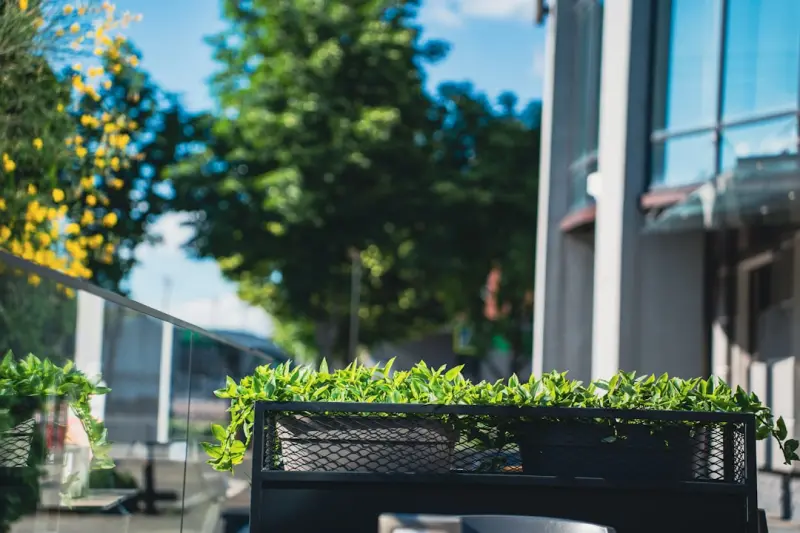
Why a Hydroponic Balcony Garden Is the Smart Urban Escape
Living in a city often means sacrificing green space for concrete, but a hydroponic balcony garden turns that limitation into an advantage by delivering fresh produce without soil, weeds, or seasonal downtime. Hydroponics uses a carefully balanced nutrient solution to feed plant roots directly, allowing you to grow lettuce, herbs, strawberries, and even dwarf tomatoes in a compact, controlled environment that thrives under the fluctuating light patterns of a high‑rise. The result is a year‑round oasis that not only brightens your living area but also cuts grocery costs and reduces your carbon footprint, proving that a modest balcony can punch far above its weight.
Choosing the Right System for Your Space
The first decision in building a balcony hydroponic garden is selecting a system that aligns with your space, budget, and commitment level, whether you opt for a simple Wick system, a nutrient‑film technique (NFT) channel, or a more robust deep‑water culture (DWC) bucket setup. Each method has distinct water‑circulation patterns: Wick systems rely on capillary action and are virtually maintenance‑free, NFT channels provide a thin film of nutrient‑rich water that continuously flows over roots, while DWC suspends plant crowns in an oxygenated solution for rapid growth. By evaluating the size of your balcony, the weight‑bearing capacity of the railings, and how much time you can devote to daily checks, you can pinpoint the configuration that delivers consistent yields without overloading your outdoor nook.
Selecting Nutrients and Managing Water Quality
Unlike soil gardening, hydroponics demands precise formulation of a nutrient solution that supplies macronutrients like nitrogen, phosphorus, and potassium, as well as essential micronutrients such as iron, magnesium, and zinc, in exact proportions that match the growth stage of each crop. Commercially available hydroponic fertilizers come pre‑mixed for vegetative or fruiting phases, but seasoned growers often fine‑tune pH levels between 5.5 and 6.5 and monitor electrical conductivity (EC) to avoid nutrient burn or deficiencies. Regularly changing the water every two weeks prevents buildup of salts and pathogens, while using filtered or distilled water eliminates chlorine and hard‑water minerals that could destabilize the delicate balance your plants rely on.
Space Planning and Aesthetic Design for Small Balconies
Maximizing a limited balcony footprint requires thoughtful vertical stacking, modular trays, and decorative elements that blend function with style, turning your hydroponic garden into a living piece of art. Consider installing lightweight shelving made of aluminum or reclaimed wood, arranging tiered NFT channels or hanging DWC buckets at varying heights to create a cascading visual effect that also improves air circulation around foliage. Incorporate reflective surfaces such as mirrored panels or light‑colored planters to amplify natural sunlight, and add subtle lighting—like solar‑powered LED strips—to showcase the vibrant greens after dusk, making the garden an inviting backdrop for evening gatherings or quiet contemplation.
Integrating Upcycled Materials for Sustainable Chic
One of the most rewarding aspects of balcony hydroponics is the ability to repurpose everyday items into functional grow stations, reducing waste while adding a unique personality to your setup. Old PVC pipes can be transformed into sleek NFT channels, glass jars become stylish DWC reservoirs, and reclaimed wooden crates serve as sturdy bases for tiered trays, merging sustainability with creativity. For step‑by‑step ideas on turning discarded objects into garden gems, check out upcycling garden projects, which offers practical tips on cleaning, drilling, and sealing materials to ensure they hold up against moisture and UV exposure.
Automating Care with Smart Technology
Even the most diligent gardener appreciates a little automation, and modern smart‑irrigation devices bring precision and convenience to hydroponic balconies by regulating water flow, nutrient dosing, and ambient temperature with minimal manual intervention. Wi‑Fi‑enabled pumps can be programmed to deliver exact volumes of solution on a schedule that matches plant demand, while pH and EC sensors transmit real‑time data to a smartphone app, alerting you to any imbalances before they affect growth. To get started with a reliable, beginner‑friendly setup, explore the smart irrigation guide, which walks you through selecting compatible hardware, calibrating sensors, and integrating voice assistants for hands‑free monitoring.
Seasonal Crop Rotation Strategies for Continuous Harvests
Keeping a balcony hydroponic garden productive all year hinges on rotating crops according to temperature, light intensity, and nutrient requirements, ensuring you never face a barren harvest window. Early spring is ideal for fast‑growing leafy greens like arugula and spinach, which thrive in cooler temperatures and require higher nitrogen levels, while summer invites fruit‑bearing varieties such as cherry tomatoes and peppers that flourish under intense light and benefit from a potassium‑rich solution. As daylight wanes in autumn, transition to root vegetables like radishes and baby carrots, which tolerate lower light and can be harvested quickly, then finish the year with hardy herbs such as thyme and rosemary that maintain flavor even in cooler nights.
Maintaining Balance and Troubleshooting Common Issues
Even with automation, a successful hydroponic balcony garden demands routine observation to catch early signs of stress, such as leaf yellowing, wilting, or unusual spotting, which often indicate pH drift, nutrient deficiencies, or pest intrusion. Keep a log of water changes, nutrient adjustments, and environmental conditions to identify patterns, and employ organic remedies like neem oil sprays or beneficial insect introductions to manage aphids and spider mites without contaminating the closed system. By staying proactive—checking pump function, cleaning reservoir walls, and ensuring proper airflow—you’ll preserve the delicate equilibrium that lets your balcony garden produce vibrant, tasty harvests long after the first seedling emerges.

Jimmy Damon loves to right on a large scale of topics with all things Canadian as this Montreal die hard loves hockey. fishing and sports.
Related Posts
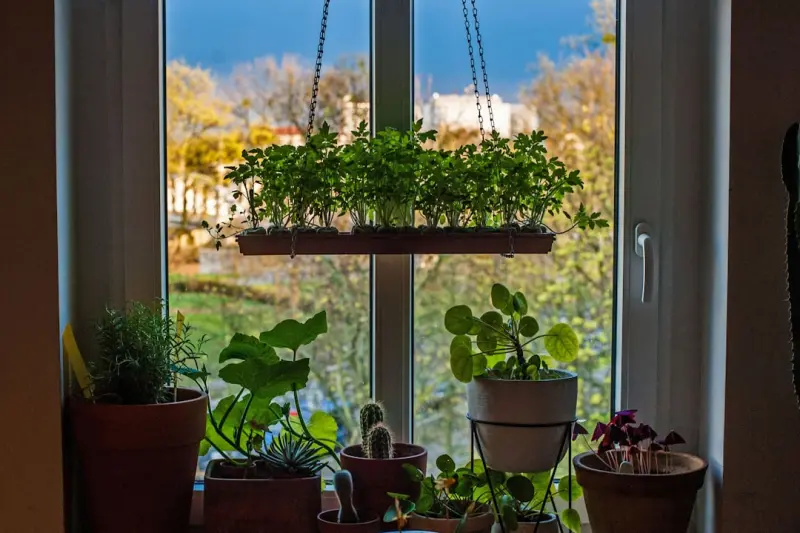
Transform Your Backyard Into a Gourmet Outdoor Kitchen
Discover how to design a functional, eco‑friendly outdoor kitchen that becomes the heart of your g... Read More
Why My Garden Desk Became the Soul of My Home
A garden desk isn’t just a workspace—it’s a sanctuary where home life, productivity, and natur... Read More

Turn Kitchen Scraps into Gold: A Practical Guide to Home Composting Anywhere
Discover a step‑by‑step guide to creating a compact compost system that fits any space, turning ... Read More
Top Posts

AI‑Powered Communities: Redefining Collective Intelligence
Discover how AI can act as a smart backbone for online communities, enhancing moderation, personalizing learning paths, and bridging groups for richer, collecti...Read More

Balcony to Bounty: Turning Small Outdoor Spaces into Year‑Round Food Havens
Discover step‑by‑step strategies to turn a modest balcony into a productive, year‑round garden using vertical systems, smart LEDs, and smart watering, plu...Read More

Eco‑Friendly Home Renovation: Upcycling Materials for Style and Sustainability
Learn practical, budget‑friendly ways to upcycle furniture, walls, lighting, and flooring, turning waste into stunning home design while reducing your environ...Read More

Narrative Healing: Using Storytelling to Strengthen Mental Well‑Being
Explore the power of personal narratives, color, sound, and community story circles to reshape anxiety into resilience, featuring actionable exercises for daily...Read More
0 Comments
Post Comment
You will need to Login or Register to comment on this post!