
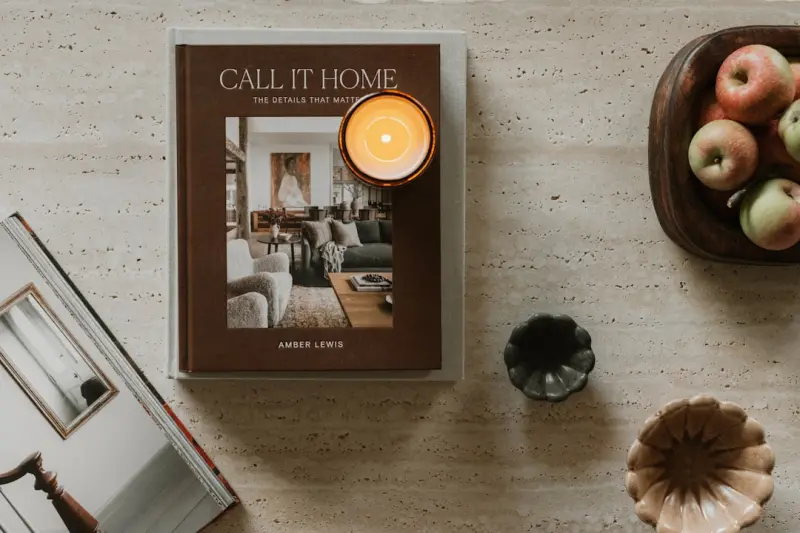
Why Indoor Gardening Is the Quiet Revolution Every Home Needs
There’s a subtle but powerful shift happening in households across the country: people are turning the forgotten cracks and corners of their homes into lush, living spaces. It’s not just about aesthetics; it’s a response to the growing need for personal sanctuary, cleaner air, and a tangible connection to nature when the world outside feels chaotic. As someone who’s spent years juggling remote work, a bustling family, and a never‑ending to‑do list, I’ve discovered that a modest indoor garden can become the most restorative part of my day—no matter how small the space.
From Window Sill to Mini‑Greenhouse: Spotting the Perfect Spot
The first step is to audit your home for “potential plant real estate.” Look beyond the obvious—your kitchen windowsill or balcony—and consider under‑used niches: the space above a bookshelf, the back of a hallway closet, a narrow ledge under the stairs, or even the tops of tall cabinets. These micro‑zones often receive enough indirect light and remain out of the way, making them ideal for low‑maintenance greenery. If you have a high‑traffic area, choose a plant that can double as a visual divider, subtly guiding foot traffic while adding life to the room.
Choosing Plants That Thrive Indoors
Not every plant is a good fit for interior conditions. Below is a quick reference of resilient species that flourish in low‑to‑medium light and require minimal fuss:
- Snake Plant (Sansevieria) – Tolerates neglect, purifies air, and adds an architectural vibe.
- Pothos (Epipremnum aureum) – Cascades beautifully from shelves, thrives on irregular watering.
- ZZ Plant (Zamioculcas zamiifolia) – Drought‑tolerant, glossy leaves that reflect light.
- Peace Lily (Spathiphyllum) – Blooms intermittently, excellent for moisture‑rich environments.
- Philodendron – Adaptable, heart‑shaped foliage that can be trained to climb.
When selecting a plant, think about its growth habit, water needs, and the visual rhythm you want to create. Pair tall, structural plants with trailing vines for a dynamic composition that feels curated rather than accidental.
Smart Tools: Sensors, Apps, and Automation
If you’ve ever forgotten to water a plant because a meeting ran over, you’ll love integrating simple smart tech. Soil‑moisture sensors that plug into Wi‑Fi can alert you via your phone when a pot is thirsty, while light meters help you determine whether a supplemental grow‑light is needed. For those who love data, there are apps that log humidity, temperature, and watering schedules, creating a habit‑forming dashboard that makes plant care feel as satisfying as checking a fitness tracker. These tools fit perfectly into a high‑efficiency home hub, turning your living space into a low‑maintenance ecosystem.
Designing for Aesthetics and Calm
Plants are not just functional; they’re a design element that can anchor a room’s color palette and texture. When arranging, think about balance and negative space. A single, bold foliage piece on a sleek console can become a focal point, while a cluster of small succulents on a reclaimed wood tray adds softness. To truly integrate greenery into your home’s visual language, consider the principles of quiet corner design. The same concepts—soft lighting, natural materials, and uncluttered layouts—enhance the calming effect of indoor plants, creating a harmonious nook that invites you to pause.
Seasonal Rotations Without the Hassle
One of the joys of indoor gardening is the ability to rotate plant displays with the seasons, keeping your space fresh and engaging. Instead of overhauling your entire décor, swap out a few pots or change the foliage arrangement. For instance, introduce bright, citrus‑scented herbs like thyme or rosemary in the spring, then shift to richer, deep‑green foliage in the fall. This practice mirrors the idea behind seasonal decor swaps, but with the added benefit of fresh aromas and, occasionally, fresh ingredients for the kitchen.
DIY Projects: Shelves, Hanging Planters, and Repurposed Containers
There’s something deeply satisfying about building your own plant furniture. A simple floating shelf made from reclaimed pallet wood can become a vertical garden wall, while mason jars repurposed as hanging planters add a rustic charm. For a touch of modern minimalism, consider using matte black metal brackets to support a tiered plant stand. The DIY route also allows you to tailor the height and depth of each display to the specific needs of your chosen flora, ensuring optimal light exposure and watering access.
Maintenance Routines That Fit Busy Lives
Consistency is key, but it doesn’t have to mean daily chores. Adopt a “plant check‑in” habit that aligns with existing routines—perhaps a quick glance while you brew coffee, or a five‑minute inspection before bedtime. Use a simple checklist: look for yellowing leaves, feel the soil’s dryness, and rotate pots for even light distribution. If you prefer a set‑and‑forget approach, self‑watering pots and capillary mats can provide a steady moisture supply for several weeks, giving you more breathing room.
Wellness Benefits: Air Quality, Mood, and Focus
Scientific studies have shown that indoor plants can reduce indoor pollutants like formaldehyde and benzene, while also increasing humidity during dry months—a natural antidote to winter skin irritation. Beyond physical health, the presence of greenery has been linked to lowered stress levels, improved concentration, and even better sleep quality. The subtle act of tending to a plant—checking soil, trimming a leaf—offers a mindful pause that can reset your mental state, similar to a micro‑meditation.
Future‑Forward Ideas: Edible Interiors and Bio‑Design
Looking ahead, indoor gardens are evolving beyond decorative purposes. Micro‑herb gardens on kitchen counters provide fresh flavor at your fingertips, while vertical farms using hydroponic towers can produce leafy greens year‑round in apartments. Bio‑design concepts are also emerging, where plant walls double as living insulation, regulating indoor temperature naturally. While these ideas may seem ambitious, starting small—perhaps with a basil kit on your windowsill—can set the foundation for a more sustainable, plant‑centric home.
Putting It All Together: A Sample Week of Plant‑Centric Living
To illustrate how these concepts integrate into daily life, here’s a snapshot of a typical week:
- Monday: Rotate the fern on the hallway shelf to catch more light.
- Tuesday: Check soil moisture on the snake plant; water if the sensor signals dryness.
- Wednesday: Add a new succulent to the kitchen counter during a quick coffee break.
- Thursday: Use the evening “quiet corner” routine to sit among the plants, breathing deeply.
- Friday: Swap the basil pot from the windowsill to the dining table for a fresh dinner garnish.
- Saturday: Tackle a DIY project—install a new hanging planter using reclaimed rope.
- Sunday: Review the plant‑care app for any alerts and enjoy a short meditation surrounded by green.
By weaving these small actions into existing habits, your indoor garden becomes an effortless part of home life, enriching both your environment and your well‑being.
Final Thoughts: Your Home, Your Garden, Your Sanctuary
Creating an indoor garden is less about having a green thumb and more about cultivating a mindset that values quiet growth—both for plants and for yourself. Whether you transform a narrow ledge into a cascading oasis or install smart sensors that whisper reminders, each step brings you closer to a home that breathes, heals, and inspires. So pick a corner, choose a resilient plant, and let the quiet revolution begin.

Lauren Miller is a true outdoors enthusiast who has found her passion in the trades. When she's not working hard on the job, you can find her writing, camping, fishing, and exploring all that nature has to offer. A dedicated partner to her wife Beth, Lauren loves nothing more than spending quality time together and experiencing the great outdoors side by side.
Related Posts
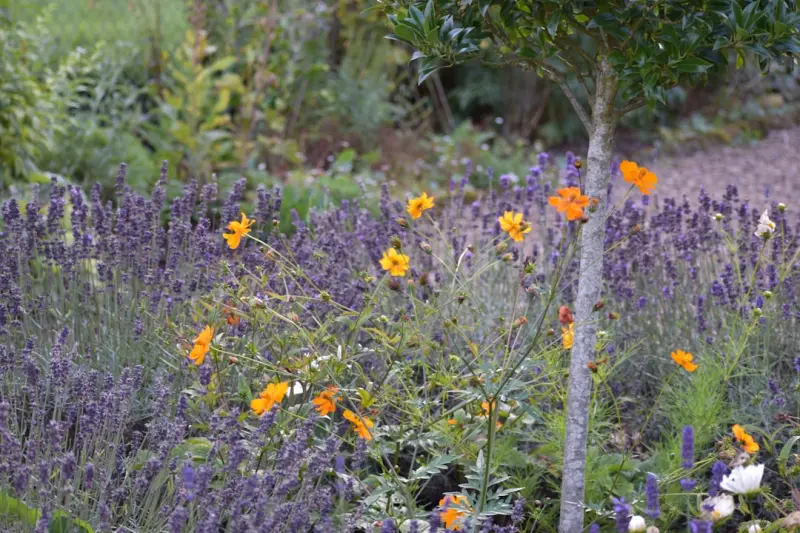
Cultivating a Sensory Garden: Sound, Scent, and Texture for Everyday Wellness
Learn how to transform any outdoor space into a multisensory sanctuary using soundscapes, fragrant p... Read More
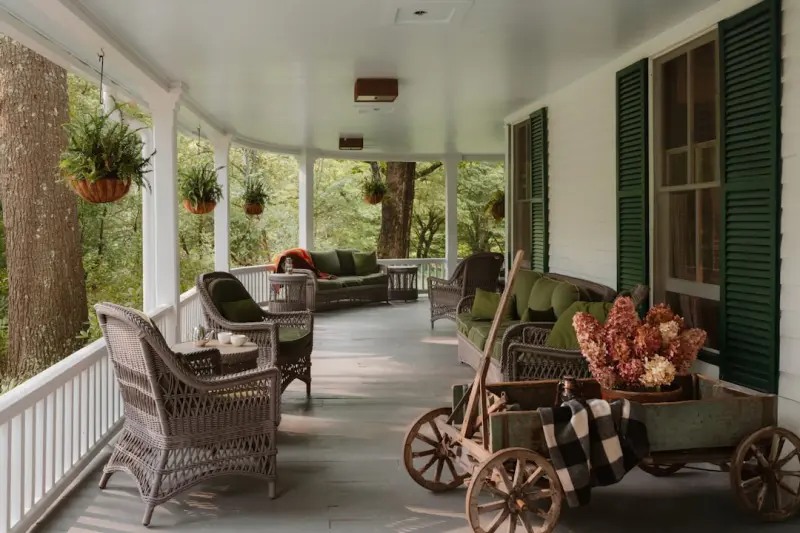
Seasonal Porch Makeovers: Refresh Your Home’s First Impression
Learn how to revitalize your front porch with seasonal décor swaps, sustainable textures, smart lig... Read More

Digging Deep: Transform Your Backyard into a Soil Sanctuary
Discover a step‑by‑step guide to turning your yard into a living soil sanctuary, from assessing ... Read More
Top Posts

When Travel Becomes a Personal Innovation Lab
Travel isn’t just about sightseeing; it’s an opportunity to turn delays, layovers, and tiny local interactions into structured experiments that sharpen adap...Read More

Resetting Your Mind: A Fresh Approach to Mental Decluttering
Learn how to sweep away mental clutter with a simple daily routine, digital boundaries, micro‑moments of stillness, and gut‑friendly foods for a sharper, ca...Read More

Why Garden Desks Are the Future of Employment: A Rose DesRochers Perspective
Rose DesRochers explains how swapping a traditional desk for a garden workspace ignites productivity, enhances well‑being, and signals a transformative shift ...Read More

The Remote Professional’s Personal Care Toolkit: Essentials for Well‑Being at the Desk
A comprehensive guide to building a portable personal care toolkit that supports skin, hair, oral health, ergonomics, and mental focus for remote workers, turni...Read More
0 Comments
Post Comment
You will need to Login or Register to comment on this post!