
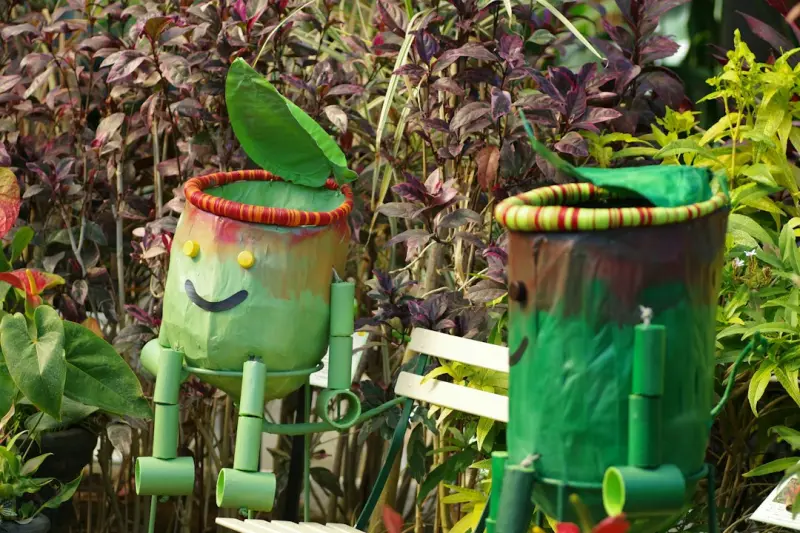
When I first inherited my grandmother’s weathered wooden bench, I saw more than a place to sit—it was a canvas waiting for a second life. The idea of upcycling everyday items into garden art sparked a quiet revolution in my own backyard, and it’s a practice that’s quietly gaining momentum among eco‑savvy homeowners. If you’re craving a fresh way to personalize your outdoor space without breaking the bank or the planet, welcome to the world of upcycled garden art.
Why Upcycling Beats Buying New
There’s an undeniable thrill in rescuing a discarded object and giving it purpose again. Each piece carries a story, a memory, and a hint of history that mass‑produced décor simply can’t replicate. Beyond the sentimental value, upcycling slashes waste, reduces your carbon footprint, and often costs a fraction of store‑bought alternatives. In an age where sustainability is more than a buzzword, repurposing items for your garden becomes both a design choice and an ethical statement.
Finding Inspiration in the Unexpected
My creative spark began with a simple, overlooked object: an old metal colander. Its perforated surface made it perfect for a hanging herb planter. As the idea blossomed, I realized that any household item with a hint of character could become a garden masterpiece. The key is to look beyond function and imagine form. Here are a few places to scout:
- Kitchen leftovers: wine bottles, copper pans, wooden spoons.
- Workshop scraps: reclaimed lumber, rusty gears, broken pallets.
- Office odds and ends: old filing cabinets, broken desk legs, discarded printer cartridges.
- Outdoor relics: weathered tires, cracked pots, rusted shutters.
Don’t be shy about mixing materials—metal, wood, glass, and ceramics can coexist beautifully when balanced with color, texture, and scale.
Essential Tools & Materials for the Upcycling Journey
Before you dive in, gather a modest toolkit. You don’t need a fully stocked workshop; a few versatile tools will get the job done:
- Safety gear: gloves, goggles, and a dust mask.
- Power drill with assorted bits: essential for adding hanging hardware or making drainage holes.
- Saw (hand or jigsaw): for cutting wood or trimming metal.
- Sandpaper or an electric sander: to smooth rough edges and prepare surfaces for paint.
- Paint and sealant: opt for low‑VOC or chalk paints for a eco‑friendly finish.
- Weather‑proof adhesive: silicone or marine epoxy works wonders for outdoor durability.
Remember, the goal isn’t perfection; it’s authenticity. A few scratches or patinas often add charm.
Project 1: The Vintage Bottle Waterfall
Imagine a cascading waterfall made from reclaimed glass bottles. The visual impact is immediate, and the soothing sound of trickling water invites you to linger. Here’s a step‑by‑step guide:
- Collect bottles: Gather a mix of clear, amber, and colored bottles of varying heights.
- Prepare the base: Use an old planter or a concrete slab as a stable foundation.
- Drill drainage holes: One near the bottom of each bottle to allow water to flow.
- Seal the tops: Apply silicone around the bottle mouths to prevent leaks.
- Arrange the bottles: Overlap them slightly, creating a staggered effect that mimics natural rock formations.
- Install a pump: A submersible pump placed at the base circulates water upward.
- Finish with stones: Add river rocks around the base for added texture.
The result is a low‑maintenance feature that adds motion, reflection, and a focal point to any garden corner.
Project 2: The Pallet Herb Garden
If you’ve ever dreamed of fresh herbs at arm’s reach, a reclaimed pallet can become your personal kitchen garden. Pallets are abundant, sturdy, and perfect for vertical planting—ideal for small spaces or balconies. Follow these steps:
- Source a pallet: Look for one marked “heat treated” (HT) to avoid chemical contamination.
- Disassemble safely: Use a pry bar and saw to separate the slats.
- Sand and seal: Remove splinters and apply a non‑toxic sealant.
- Attach to a wall or fence: Use stainless steel brackets for longevity.
- Insert planting pockets: Recycled fabric or small wooden boxes can hold soil.
- Choose herbs: Basil, mint, thyme, and parsley thrive in shallow containers.
- Water wisely: A drip irrigation system can be fashioned from old hose tubing.
This vertical garden not only maximizes space but also infuses your patio with fragrant, edible greenery.
Project 3: The Garden Clock Made from Vintage Tools
Time in the garden feels different—sunrise, soil temperature, the hum of insects. A clock fashioned from antique tools serves as both a functional piece and a conversation starter.
- Gather tools: Old spanners, wrenches, and a rust‑patinated metal plate for the face.
- Paint the background: Use chalk paint for a matte finish that can be written on.
- Mark the hours: Nail small brass bolts at each hour mark.
- Add hands: Repurpose metal rods or thin dowels, securing them to a central pivot.
- Weatherproof: Coat the entire piece with clear marine varnish.
Hang the clock on a sturdy branch or a reclaimed fence post, and let it remind you that every moment outdoors is worth savoring.
Integrating Upcycled Art with Sensory Design
When you blend upcycled creations with sensory garden principles, you amplify the experience. A sensory garden engages sight, sound, touch, smell, and taste—all through thoughtful, repurposed elements. For instance, a reclaimed wooden trellis can support fragrant climbing roses, while a set of old ceramic tiles, painted with bright patterns, doubles as a tactile stepping stone. The water feature made from bottles offers both visual allure and soothing sounds, and a mosaic of broken glass shards can catch sunlight, creating a glittering dance for the eyes.
Seasonal Maintenance Tips for Upcycled Pieces
Upcycled garden art deserves care to keep its charm year after year:
- Winter protection: Apply a coat of frost‑resistant sealant to wood and metal.
- Sunlight shielding: Position delicate pieces in partial shade to prevent fading.
- Regular cleaning: Use a mild soap solution and a soft brush to remove dust and pollen.
- Inspect fasteners: Tighten screws and replace corroded hardware annually.
- Refresh paint: A light sanding followed by a fresh coat can revive colors that have dulled.
These simple practices extend the life of each piece, honoring the original intent of giving them a new lease on life.
Budget‑Friendly Upcycling: The Economics of Creativity
Let’s talk numbers. A new garden statue from a boutique can cost $150‑$300, while a reclaimed bike tire turned into a planter might cost under $20 in materials (often free). By repurposing items you already own or can acquire for free, you not only save money but also redirect resources that would otherwise end up in landfills. Think of each upcycled project as an investment in both aesthetics and environmental stewardship.
Storytelling Through Garden Art
Every upcycled piece can be a narrative thread in your garden’s larger story. My grandmother’s bench now holds a plaque engraved with her favorite gardening quote, connecting past and present. A rusted gear from my father’s workshop now supports a tiny succulent, reminding me of the balance between industry and nature. When visitors wander through your garden, these stories invite curiosity and conversation, turning a simple yard into a living gallery.
Community Connections: Sharing the Upcycling Spirit
Consider hosting a “Swap & Upcycle” evening with neighbors. Bring your unwanted items—old pots, broken ladders, mismatched tiles—and exchange ideas on how to transform them. Such gatherings foster community bonds, spark creative collaborations, and spread the ethos of reuse. Plus, you might discover a hidden talent for metalworking or a knack for mosaics you never knew you had.
From Concept to Reality: A Personal Blueprint
Here’s how I turned a chaotic garage into a curated garden gallery:
- Inventor’s journal: I kept a sketchbook, noting each object’s potential use.
- Prototype testing: I created small mock‑ups with cardboard before committing to the final material.
- Layered implementation: I started with a focal piece—a reclaimed copper rain barrel turned into a water feature—then added supporting elements like pallet herb beds.
- Iterative refinement: Over seasons, I swapped out pieces that didn’t age well, always keeping the core theme of “rebirth.”
The process was as rewarding as the result, and it taught me that garden design is an evolving dialogue between you, your materials, and the environment.
Take the First Step Today
Ready to give your garden a fresh, sustainable makeover? Start small: pick one discarded item in your home, brainstorm a new purpose for it, and set a weekend aside for a hands‑on experiment. As you watch an old object transform into a vibrant garden accent, you’ll feel the same satisfaction that comes from a well‑tended plot—only amplified by the knowledge that you’re also nurturing the planet.
If you’re looking for quick wins to complement your upcycling projects, check out our guide on low‑effort, high‑impact home tweaks. Pair those simple upgrades with your bespoke garden art for a harmonious, eco‑friendly sanctuary that feels uniquely yours.

Lauren Miller is a true outdoors enthusiast who has found her passion in the trades. When she's not working hard on the job, you can find her writing, camping, fishing, and exploring all that nature has to offer. A dedicated partner to her wife Beth, Lauren loves nothing more than spending quality time together and experiencing the great outdoors side by side.
Related Posts
Rain Barrels & Greywater: DIY Water Wisdom for Every Home
Discover a step‑by‑step guide to installing rain barrels and greywater systems, complete with de... Read More
Cultivating Creativity: How a Garden Desk Can Transform Your Home Workspace
Turn your backyard into a productive oasis with a garden desk—learn design tips, ergonomic hacks, ... Read More
Turn Your Backyard Into a Pollinator Powerhouse: Step‑by‑Step Blueprint
Discover a hands‑on guide to converting any backyard into a thriving pollinator sanctuary, featuri... Read More
Top Posts

Illuminating Your Home: Simple Lighting Hacks for Comfort, Focus, and Savings
Learn how to transform every room with smart lighting choices—from natural light tricks to budget-friendly LEDs—enhancing comfort, focus, and energy efficie...Read More

Rethinking Personal Care: A Sustainable, Zero‑Waste Bathroom Revolution
Explore practical, stylish ways to adopt a zero‑waste bathroom, from reusable containers to plant‑powered toiletries, and learn how sustainable personal car...Read More

Why Structured Sabbaticals Are the Secret Weapon for Modern Companies
A strategic look at how structured sabbaticals can reduce turnover, accelerate innovation, and boost employee engagement, turning planned time‑off into a powe...Read More

Turning Travel Into a Personal Innovation Lab
Imagine each journey as a sandbox for trying new skills, testing bold ideas, and capturing insights—travel becomes more than a getaway; it’s a catalyst for ...Read More
0 Comments
Post Comment
You will need to Login or Register to comment on this post!