
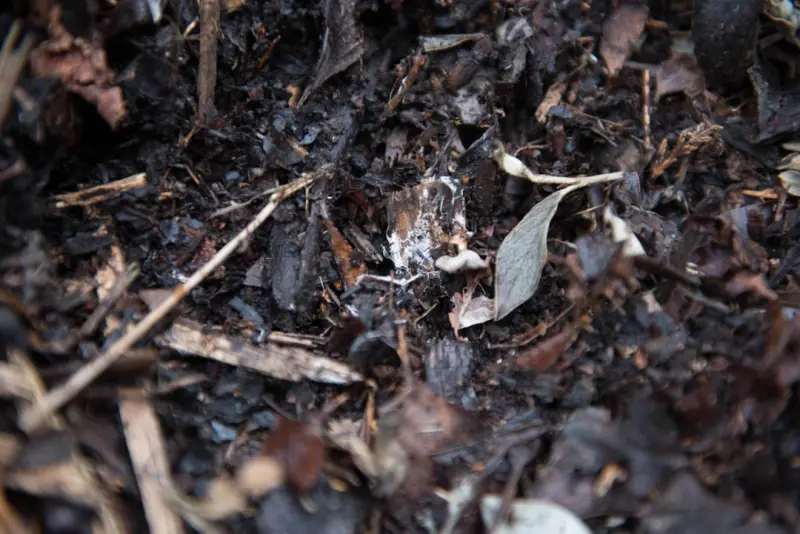
When the trash can overflows with peels, coffee grounds, and wilted leaves, most homeowners see a nuisance, not an opportunity. I’ve learned that the real magic happens when that organic debris meets a carefully crafted compost system, turning kitchen scraps into a dark, loamy treasure that feeds every plant in the yard. By embracing this low‑tech, high‑reward cycle, you not only slash landfill contributions but also unleash a nutrient boost that outperforms any store‑bought fertilizer, making your garden healthier, greener, and more resilient to stress.
The Science Behind the Smell: Why Compost Works
At its core, composting is a controlled decomposition process driven by a bustling community of microbes, fungi, and macro‑organisms that break down carbon‑rich “browns” and nitrogen‑rich “greens” into stable humus, the ultimate plant food. When you balance these inputs correctly—think shredded newspaper, dried leaves, and fruit scraps—you create the perfect carbon‑to‑nitrogen ratio, typically around 30:1, which fuels rapid microbial activity without generating foul odors. The result is a thermophilic phase where temperatures soar past 130°F, sanitizing the pile and killing weed seeds, followed by a cooling phase that yields a nutrient‑dense, earth‑like amendment ready to enrich soil structure, water retention, and root development.
Designing a Backyard Compost Hub That Fits Any Space
Whether you’re perched on a compact city balcony or tending a sprawling suburban plot, a well‑planned compost station can blend seamlessly into your outdoor aesthetic. I start by selecting a sturdy, breathable container—often a repurposed wooden crate lined with hardware cloth—to keep pests out while allowing airflow; for larger yards, a rotating drum system offers effortless mixing and faster breakdown. Position the bin in a shaded corner, preferably near the garden beds you’ll feed, because consistent moisture and moderate temperatures accelerate the process without scorching the microbes.
To keep the operation tidy, I incorporate a simple “drop zone” shelf where family members can toss their kitchen waste without tripping over garden tools. A nearby water source—like a hose with a gentle spray nozzle—makes it easy to mist the pile, maintaining the ideal moisture level of about 50 % (think a damp sponge). Finally, add a few decorative elements, such as reclaimed garden art or a vertical trellis, to transform the compost area from eyesore to conversation piece, reminding visitors that sustainability can be both functional and stylish.
Feed the Soil, Not the Weeds: Compost Application Techniques
Once your compost reaches that rich, crumbly texture and earthy scent, it’s time to put it to work, and there are several methods to match different gardening goals. A thin “top‑dress” layer of ¼‑inch spread over lawn or vegetable beds supplies a slow‑release nutrient stream, improving soil organic matter while suppressing weed germination. For deeper soil amendment, I blend two inches of finished compost into the planting trench, ensuring roots encounter a fertile medium that encourages vigorous growth and drought tolerance.
Don’t overlook the power of compost tea—a liquid extract brewed by steeping compost in water for 24‑48 hours—to give a quick nutrient boost to leafy greens and flowering plants. Simply strain the tea, dilute it to a light amber hue, and water it directly onto foliage for an instant green‑up. By rotating these application strategies throughout the growing season, you maintain a balanced supply of macro‑ and micronutrients, fostering robust plants that outshine those fed with synthetic fertilizers.
Common Pitfalls and How to Dodge Them
Even seasoned composters stumble over a few avoidable mistakes, and recognizing them early saves time and frustration. One frequent error is piling too many citrus peels, onions, or meat scraps, which can tip the pH and attract unwanted critters; instead, limit these items to a modest proportion and chop them finely to speed decomposition. Another trap is neglecting aeration—without regular turning, the pile becomes anaerobic, emitting unpleasant odors and slowing the breakdown; a simple garden fork or a rotating barrel solves this in minutes.
Lastly, keep an eye on moisture levels; a soggy heap becomes a breeding ground for mold, while a bone‑dry pile stalls entirely. If the compost feels crusty, spritz water and give it a good turn; if it’s dripping, add more dry browns like shredded cardboard. By maintaining this delicate balance, you ensure a consistent, odor‑free process that delivers premium humus season after season.
Boosting Community and Family Engagement Through Compost
Composting isn’t just a solitary hobby; it can become a focal point for family bonding and neighborhood outreach, turning waste management into an educational adventure. I invite my kids to sort kitchen scraps, explaining how each banana peel or coffee bean becomes “plant food,” fostering a sense of responsibility and curiosity about the natural world. Hosting a seasonal “compost swap” with neighbors—where you exchange finished compost for fresh produce or seedlings—creates a micro‑economy of shared resources that strengthens community ties.
For those with eager neighbors, consider setting up a communal compost bin in a shared garden space, complete with signage that outlines acceptable materials and a simple schedule for turning. This collective effort not only reduces municipal waste fees but also cultivates a culture of sustainability, where everyone feels proud to watch waste transform into thriving garden beds that feed the entire block.
Integrating Compost Knowledge with Other Home & Garden Projects
While compost stands alone as a powerhouse, it also amplifies the success of other backyard endeavors, such as building raised beds, installing drip irrigation, or even creating a DIY rain garden. By enriching the soil in your raised beds with a generous layer of compost, you improve drainage and nutrient availability, allowing seedlings to establish faster and produce higher yields. Pairing this with a drip system ensures that water reaches the root zone efficiently, preventing runoff and conserving water—a synergy that maximizes every drop and every crumb.
When you design a cozy outdoor living room without breaking the bank, incorporate compost‑filled planters as decorative accents; their lush foliage adds texture while the underlying humus feeds the plants year‑round. Similarly, a vertical gardening masterpiece benefits from a compost‑infused growing medium, delivering the nutrients needed for vines and herbs to cling and flourish on limited square footage. These cross‑project connections illustrate how compost acts as the silent hero behind every thriving garden and outdoor space.
Getting Started Today: A Simple 7‑Day Action Plan
Ready to turn your kitchen waste into garden gold? Begin by designating a corner of your yard for a compost bin, gathering equal parts of browns—shredded newspaper, dry leaves—and greens—fruit peels, coffee grounds—and layering them in your container, moistening each layer as you go. Day two, give the pile a good turn to introduce air; repeat this every three days, monitoring moisture and adding dry material if it feels too wet. By day seven, you’ll see the pile darkening and warming, a clear sign that the microbial party is in full swing.
Document your progress with photos, note the scent (a fresh, earthy aroma indicates success), and set a reminder to harvest finished compost in about two months, when it feels crumbly and smells like rich soil. Use this fresh humus to amend your flower beds, vegetable plots, or container gardens, and watch as your plants respond with newfound vigor. In just a short week, you’ll have laid the foundation for a sustainable cycle that keeps giving—proof that small, consistent actions can transform waste into wonder.

Jimmy Damon loves to right on a large scale of topics with all things Canadian as this Montreal die hard loves hockey. fishing and sports.
Related Posts
Cultivating Creativity: How a Garden Desk Can Transform Your Home Workspace
Turn your backyard into a productive oasis with a garden desk—learn design tips, ergonomic hacks, ... Read More

Vertical Gardens: Maximizing Space and Style in Small Homes
Learn to turn walls into thriving vertical gardens, blending design, sustainability, and budget‑fr... Read More

Turning Your Backyard into a Reading Sanctuary: Gardens, Comfort, and Quiet
Create a tranquil backyard reading sanctuary using natural light, soothing plants, and simple DIY to... Read More
Top Posts

When AI Becomes Your Quiet Mentor: Turning Algorithms into Personal Growth Guides
Explore a fresh take on AI as a personal growth companion that provides contextual, non‑intrusive nudges, helping you turn everyday algorithms into quiet ment...Read More

Flavor Trails: Mapping Your Next Culinary Adventure
Explore a fresh travel angle that uses food as a compass, guiding you through coastal markets, mountain farms, and immersive cooking experiences for a truly fla...Read More

The Transformative Power of Hand‑Crafted Body Scrubs
Explore the benefits of homemade body scrubs, from ingredient basics to sensory rituals, and learn how to integrate them into a lasting personal care routine....Read More

The Sound of Calm: Crafting Acoustic Environments for Remote Mental Health
Discover practical ways to design a personal acoustic sanctuary at home—using background sounds, smart tech, and simple room tweaks—to lower stress and boos...Read More
0 Comments
Post Comment
You will need to Login or Register to comment on this post!