
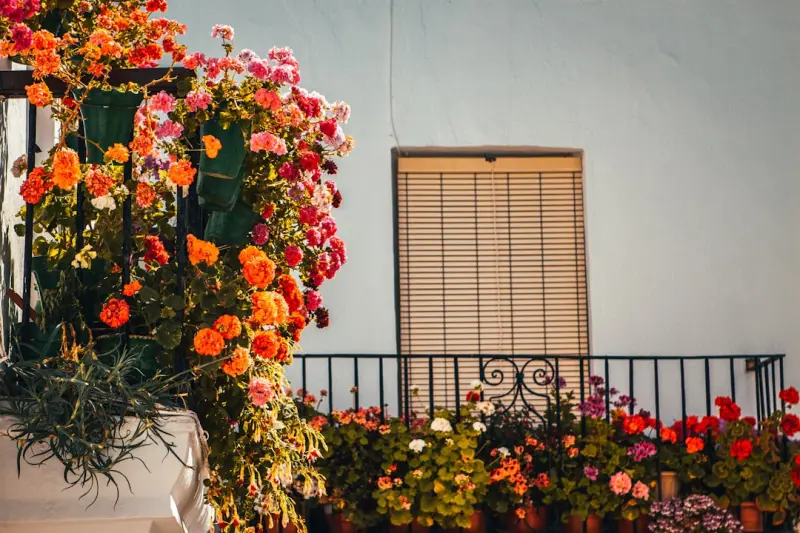
Why pollinators belong on your balcony
Urban balconies often feel like tiny islands of concrete, yet they can become thriving stop‑overs for bees, butterflies, and hoverflies when we intentionally invite them in. Pollinator-friendly balconies not only boost local biodiversity but also create a living tapestry of color and movement that lifts the spirit of anyone who steps onto the patio. By providing nectar and pollen in a space that is usually overlooked, you turn a simple slab of decking into a buzzing, humming ecosystem that quietly supports food‑production elsewhere in the city.
Selecting the perfect container and soil blend
The foundation of any successful balcony garden begins with the right container—think lightweight, breathable, and appropriately sized for the plants you plan to host. Opt for fabric grow‑bags or reclaimed wooden crates that allow roots to breathe while keeping the overall weight manageable for balcony railings. Pair these vessels with a loose, well‑draining soil mix enriched with compost and a hint of perlite, ensuring water moves through quickly enough to avoid soggy roots yet stays moist enough to sustain delicate pollinator magnets.
Choosing native, low‑maintenance blooms and herbs
When it comes to feeding pollinators, native species are the gold standard because they have evolved hand‑in‑hand with local insects, offering the exact nectar profiles these creatures crave. Plant selections such as lavender, coneflower, and bee balm provide generous, easy‑to‑harvest blooms that require minimal pruning or deadheading. Intermix aromatic herbs like thyme and rosemary; they not only attract bees with their tiny flowers but also double as kitchen staples, giving you fresh flavor while the insects do their work.
Designing for a continuous season of color
To keep pollinators visiting week after week, arrange your balcony garden so that something is always in bloom, staggering plantings by a few weeks and layering early, mid, and late‑season varieties. Start with spring‑flowering poppies, follow with summer‑long salvia, and finish with autumn‑blooming asters, creating a seamless cascade of nectar sources. This strategic planting not only maximizes the garden’s visual appeal but also ensures that the resident insects never run out of food, reinforcing a resilient micro‑habitat.
Providing water without waste
Even the hardiest pollinators need a sip now and then, but a leaky saucer can quickly become a water‑wasting nightmare on a balcony. Install a shallow stone dish filled with pebbles and a few drops of water; the insects can safely land without drowning, and the design minimizes evaporation. For a smarter solution, explore Smart Water Management techniques that automate watering based on soil moisture, letting you conserve water while keeping your pollinator oasis hydrated.
Adding habitat features for nesting and shelter
While flowers feed pollinators, they also need safe places to rest and raise their young, so incorporate simple nesting aids like bamboo tubes, hollow reeds, or even a stack of untreated wood blocks. These elements mimic natural crevices and provide a protected micro‑climate that encourages solitary bees to set up home. A thin layer of leaf litter or shredded bark can also serve as ground cover, offering insulation and a discreet landing pad for butterflies seeking a quiet perch.
Upcycling everyday objects into garden treasures
One of the most satisfying aspects of balcony gardening is turning discarded items into functional décor, a practice championed by upcycled garden chic. Repurpose an old tin lunchbox as a seed‑starting tray, transform a cracked terracotta pot into a charming bee hotel, or hang a set of vintage wooden spoons to hold tiny herb cuttings. These creative twists not only cut costs but also add a story‑filled visual intrigue that sparks conversation among neighbors passing by.
Keeping maintenance simple and stress‑free
Busy homeowners often shy away from balcony gardening for fear of constant upkeep, but a streamlined routine can keep the space thriving with minimal effort. Adopt a minimalist garden mastery mindset: prune only when necessary, mulch with a thin layer of straw to suppress weeds, and set a weekly 10‑minute check‑in to water and observe plant health. This disciplined yet relaxed approach ensures that your pollinator garden remains vibrant without demanding a full‑day labor commitment.
Reaping the rewards: pollination, produce, and peace of mind
The payoff of a thriving balcony pollinator garden goes far beyond pretty flowers; it translates into healthier vegetable patches, richer fruit yields, and a soothing backdrop that eases daily stress. As bees flit from lavender to thyme, they inadvertently increase the pollination success of any adjacent garden beds you may have, boosting harvests of tomatoes, strawberries, and more. Meanwhile, the gentle hum and splash of color create a therapeutic oasis, reminding you that even a modest square of concrete can pulse with life when you nurture it with intention.

When it comes to the world of blogging and writing, Rose DesRochers is a name that stands out. Her passion for creating quality content and connecting with her audience has made her a trusted voice in the industry. Aside from her skills as a writer and blogger, Rose is also known for her compassionate nature.
Related Posts
The Five‑Senses Garden: Designing a Home Oasis You Can Touch, Hear, Smell, See, and Taste
Explore how to create a garden that engages all five senses—touch, sound, smell, sight, and tasteâ... Read More

Edible Elegance: Designing a Beautiful Food‑First Garden
Learn step‑by‑step how to create an edible‑first garden that blends striking design with fresh... Read More

Cultivating an Outdoor Reading Oasis: Garden Book Nook Ideas
Learn to transform any garden corner into a cozy outdoor reading oasis with tips on placement, seati... Read More
Top Posts

AI as a Creative Partner: Rethinking Collaboration
Discover a fresh perspective on AI collaboration, shifting from tool use to true co‑creation, with practical steps, ethical guardrails, and future insights....Read More

Moonlit Gardens: Crafting Nighttime Outdoor Sanctuaries
Explore the art of moonlit garden design, from subtle lighting and night‑blooming plants to sustainable soil practices and cozy seating, creating a serene out...Read More

Micro‑Movements: Tiny Desk Exercises for Lasting Health
Learn to integrate simple micro‑movements into your daily routine, improving blood flow, mental clarity, and long‑term wellness while staying productive at ...Read More

Chilling Out: How Cold Water Therapy Boosts Health and Performance
Cold water therapy isn’t a fad; it’s a strategic health hack that triggers hormonal surges, activates brown fat, and reduces inflammation. Learn how brief, ...Read More
0 Comments
Post Comment
You will need to Login or Register to comment on this post!