
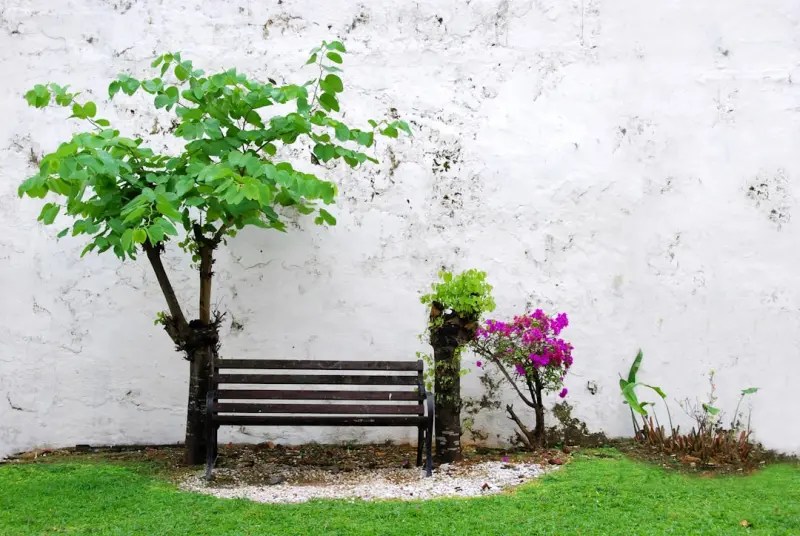
Why Less Can Be More in Your Backyard
When a square foot of yard feels like a premium, the temptation is to cram every decorative element you can find into that limited space. Yet the most tranquil outdoor retreats often arise from deliberate restraint, allowing each element to breathe and resonate. By embracing a minimalist mindset, you transform a cramped plot into a sanctuary where sightlines are clear, pathways feel purposeful, and the mind can unwind without visual clutter. Minimalist garden design isn’t about stripping away personality; it’s about curating only the pieces that truly serve function, form, and feeling, creating a harmonious backdrop for daily life.
The Core Principles of Minimalist Design
Start with a clear vision: identify the mood you want to evoke—be it calm, contemplation, or subtle excitement—and let that guide every selection. Limit your palette to three or four complementary colors, whether in foliage, hardscape, or accessories, to maintain visual cohesion. Choose plant forms that repeat and echo each other, establishing rhythm without overwhelming the eye. When you need a statement piece, make it count and keep the surrounding area uncluttered. For those who love a touch of creativity, consider incorporating upcycled garden ideas that serve both sustainability and style, proving that a single well‑chosen object can become the focal point of a pared‑back oasis.
Selecting Plants That Speak Softly Yet Strongly
Plant choice is the heart of any garden, and in a minimalist setting, each specimen must earn its place. Opt for structural plants—such as ornamental grasses, dwarf evergreens, or sculptural succulents—that provide shape and texture without demanding excessive maintenance. Native species are ideal, offering resilience to local climate while reducing water and fertilizer needs. Mix varying leaf forms to create subtle visual interest, and use a limited number of bloomers to introduce seasonal color without chaos. Pairing these choices with efficient irrigation, like the methods outlined in smart water solutions, ensures your garden thrives on minimal input, reinforcing the ethos of “less work, more enjoyment.”
Hardscape, Light, and the Art of Negative Space
Hardscape elements—stone pathways, sleek decking, and minimalist furniture—anchor the garden’s geometry, providing structure that guides foot traffic and frames plant groupings. Keep surfaces simple, favoring natural textures that age gracefully. Lighting, often overlooked, becomes a powerful tool when used sparingly; soft uplights or recessed fixtures highlight key features without drowning the night in glare. For inspiration on how to create an inviting nocturnal atmosphere without excess, explore nighttime garden lighting ideas that accentuate form while preserving the calm darkness that minimalist spaces cherish.
Soil Health and Maintenance Made Simple
In a minimalist garden, the soil is the unsung hero, supporting plant vigor with the least amount of fuss. Begin by testing the pH and nutrient levels, then amend with organic compost to improve structure and moisture retention. Mulching with a thin layer of bark or stone not only suppresses weeds but also reduces water evaporation, aligning with the low‑maintenance goal. Adopt a “one‑touch” pruning schedule: trim only when necessary to maintain shape, allowing plants to self‑regulate their growth cycles. By establishing a solid, healthy foundation, you eliminate the need for frequent interventions, freeing time for you to simply enjoy the space you’ve crafted.
Creating Flow: Zones That Invite Movement
Even a modest yard benefits from subtle zoning that defines activity areas without erecting barriers. Use changes in material—such as a shift from stone to decking—or a gradual alteration in plant height to signal transitions from a meditation corner to a modest dining nook. Pathways should be intuitive, leading the eye and the foot toward focal points like a solitary sculpture or a water feature. The goal is to encourage a gentle, almost meditative journey through the garden, where each step feels purposeful yet unhurried. By thoughtfully arranging these zones, the space feels larger than its physical dimensions, embodying the principle that space is defined by experience, not square footage.
Budget‑Friendly Strategies for a Polished Look
Achieving a high‑end aesthetic on a modest budget is entirely possible when you prioritize quality over quantity. Repurpose reclaimed timber for edging or simple benches, and source plants from local community swaps to reduce cost. Focus on a few statement pieces—perhaps a sleek metal planter or a handcrafted stone lantern—that elevate the overall vibe without requiring a plethora of accessories. DIY projects, such as building a simple raised bed from reclaimed pallets, add personal charm while keeping expenses low. Remember, the elegance of minimalism lies in restraint; by investing wisely in key elements, you create a space that feels curated, cohesive, and timeless.
Embrace the Minimalist Journey and Watch Your Garden Flourish
The transformation from a chaotic yard to a refined sanctuary is a process of intentional choices, thoughtful design, and ongoing refinement. Start small, implement one principle at a time, and observe how the space responds to each adjustment. As your garden settles into its new rhythm, you’ll discover that the true reward isn’t just aesthetic—it’s the serenity that comes from living in a space that breathes with you. Take the first step today: clear the clutter, define your vision, and let the elegance of less guide you toward a backyard that feels both expansive and intimately yours.

Jimmy Damon loves to right on a large scale of topics with all things Canadian as this Montreal die hard loves hockey. fishing and sports.
Related Posts

Creating a Moonlit Garden: Light, Plants, and Night‑Time Magic
Discover the art of designing a moonlit garden that glows after dark, using silvery foliage, soft li... Read More
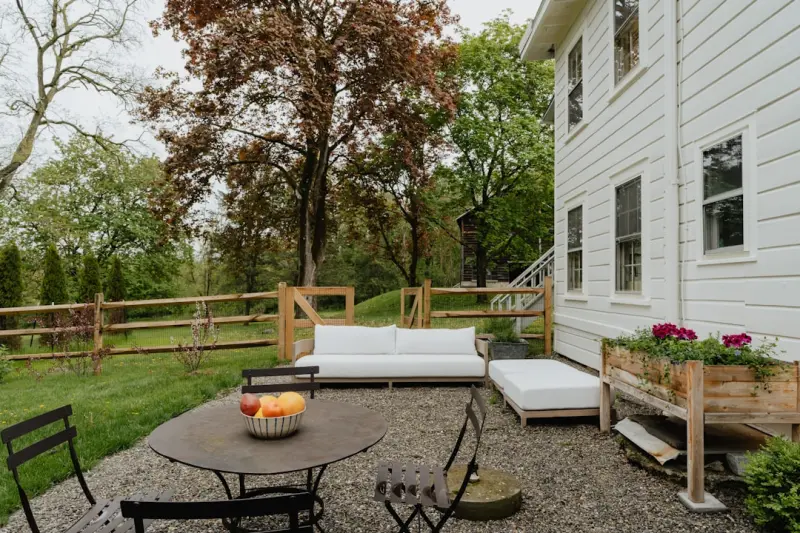
Creating a Backyard Fire Pit Lounge: Design, Safety, and Atmosphere
Discover step‑by‑step design, safety, and styling tips to turn any yard into a welcoming fire‑... Read More
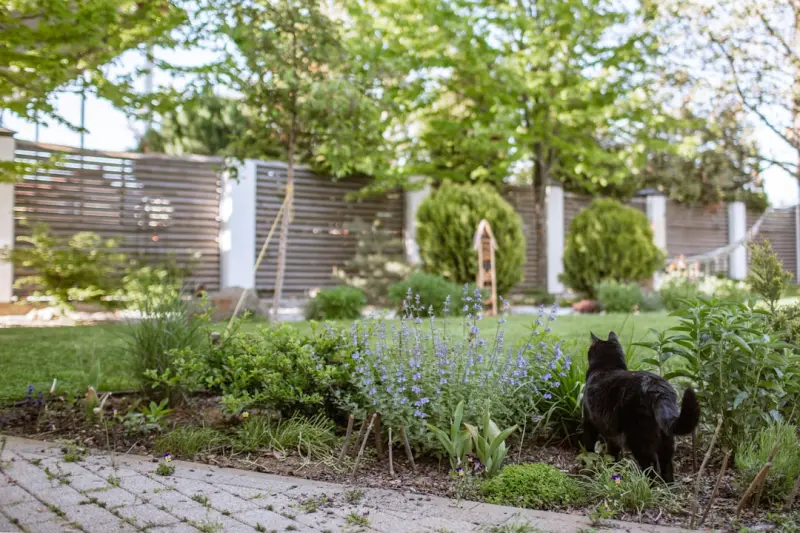
Smart Garden Revolution: An Intelligent Yard
Learn to upgrade your outdoor space with smart sensors, automated irrigation, solar lighting, and ap... Read More
Top Posts

Scent‑Smart Self‑Care: How AI‑Curated Aromas Are Redefining Personal Routines
Explore the emerging world of AI‑curated aromatics that adapt to your physiological cues, turning ordinary grooming rituals into mood‑enhancing, data‑back...Read More

AI Mentorship: How Smart Coaches Are Transforming Work
AI mentors blend data‑driven insights with human empathy, scaling personalized guidance, accelerating skill development, and reshaping mentorship as an everyd...Read More
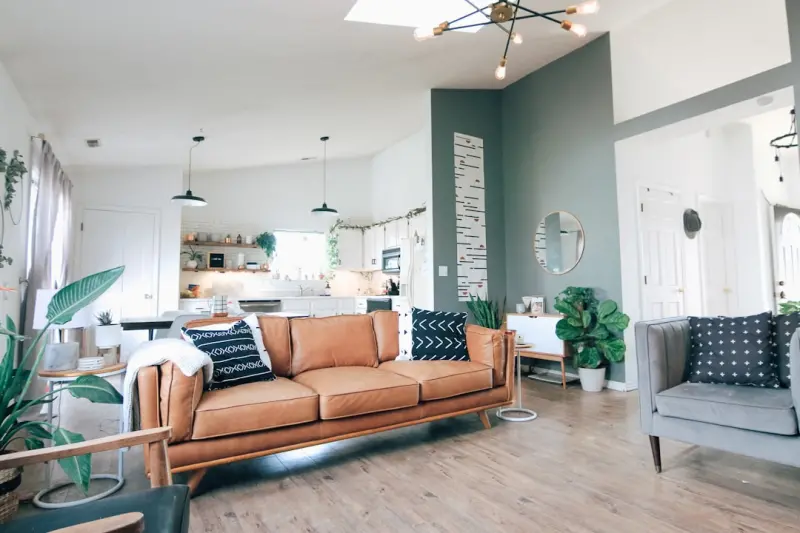
Transform Your Living Space into a Sensory Sanctuary Without Breaking the Bank
Learn how to turn ordinary rooms into calming, energizing sanctuaries using simple lighting, scent, texture, and organization tricks that won’t strain your bu...Read More

Turning Transit Time into a Personal Discovery Lab
Discover practical habits and a portable kit that turn every layover, train ride, or delayed flight into a creative laboratory for observation, learning, and st...Read More
0 Comments
Post Comment
You will need to Login or Register to comment on this post!