
Why Play Still Matters in an Adult World
Even as responsibilities pile up, the brain craves the same spontaneous joy that children find in a game of tag; denying that need can tighten the mental muscles we rely on to handle stress. Research shows that playful moments trigger dopamine release, a neurotransmitter that not only lifts mood but also sharpens focus, creating a feedback loop of positive reinforcement. When adults schedule intentional play—whether it’s doodling, improvisational storytelling, or a quick game of cards—they give their nervous system a chance to reset, reducing cortisol spikes that fuel anxiety.
The Neuroscience Behind Creative Play
The prefrontal cortex, the brain’s executive hub, lights up during creative tasks, strengthening pathways that improve problem‑solving and emotional regulation; this is why a simple sketch can feel more therapeutic than a ten‑minute meditation. Simultaneously, the default mode network, active during mind‑wandering, engages when we let imagination run free, allowing us to process feelings in a low‑stakes environment. Studies linking intentional daydreaming to reduced rumination suggest that playful imagination is a natural antidote to the mental loops that keep anxiety alive.
Turning Everyday Objects Into Playful Tools
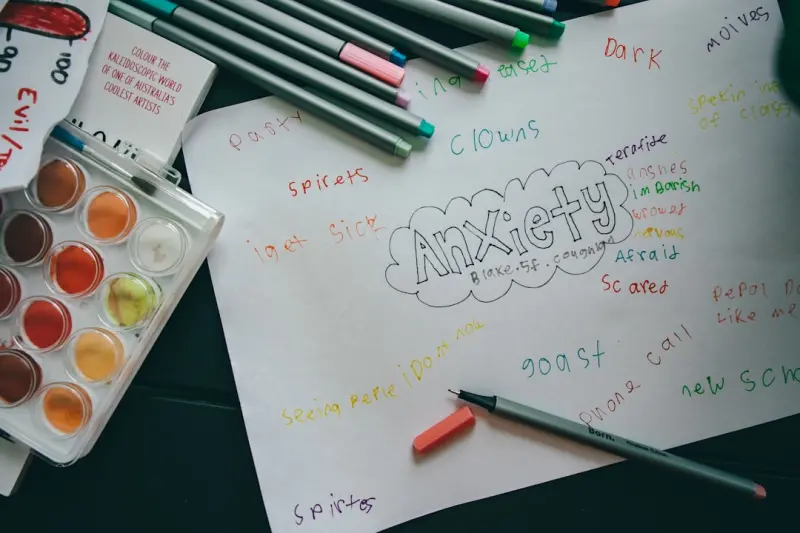
You don’t need expensive equipment—ordinary items can become catalysts for mental rejuvenation. A set of colored pens transforms a blank page into a playground for visual expression, while a kitchen timer turns a brief doodle break into a rhythmic ritual that signals the brain it’s safe to relax. Even a household plant can serve as a prop for a mindful “garden‑themed” storytelling session, encouraging you to narrate its growth and personify its journey, which subtly reframes personal challenges as part of a larger, nurturing story.
Integrating Play Into a Busy Schedule
Time scarcity is often the biggest excuse for skipping play, yet micro‑sessions can be woven into daily routines without sacrificing productivity. Schedule a five‑minute “creative sprint” after lunch, using a timer to sketch, write a haiku, or solve a quick puzzle; this brief interruption resets mental bandwidth, making the afternoon work feel lighter. For those who thrive on structure, pair play with existing habits—like brainstorming ideas while brewing coffee—so the activity becomes a seamless extension of your day rather than a separate task.
Community Play: Shared Joy as Social Therapy
Human connection amplifies the benefits of playful creativity; group activities such as collaborative mural projects or improv circles release oxytocin, the hormone that deepens trust and reduces feelings of isolation. When you share a laugh over a spontaneous sketch challenge, you’re not just having fun—you’re building a support network that buffers against anxiety spikes. Even virtual playrooms, where participants exchange doodles via a shared whiteboard, can create a sense of belonging that rivals in‑person gatherings.
Overcoming the Inner Critic
Many adults fear judgment, believing that “real” adults don’t engage in play; this inner critic can sabotage the therapeutic potential of creative activities. One technique is to adopt a “no‑judgment” mantra before each session, reminding yourself that the goal is process, not product. Another approach is to set a “silly” quota—commit to making at least one deliberately imperfect drawing each week, which gradually desensitizes the fear of imperfection and reinforces the idea that play is a safe space for experimentation.
Playful Practices That Boost Mood Instantly
Here are three quick rituals you can start tonight:
- Grab a handful of crayons and color without a goal for ten minutes, focusing only on the motion of the hand.
- Write a short, absurd story using random prompts from a jar; the absurdity triggers laughter, a natural stress‑reliever.
- Play a simple rhythm on a kitchen utensil—tap, pause, repeat—and let the beat guide a brief breathing exercise.
Each practice taps into the brain’s reward circuitry, providing an immediate uplift that can counteract anxiety’s grip.
Linking Play With Long‑Term Resilience
When playful habits become consistent, they lay down neural tracks that make emotional recovery faster and more reliable. Over months, the brain learns to associate stress signals with a built‑in “play button” that automatically initiates calming processes, reducing the duration of anxious episodes. This cumulative effect mirrors the way regular physical exercise strengthens muscles; the more you engage, the stronger your mental resilience becomes, turning play into a lifelong protective asset.
Take the First Step: Your Playful Challenge
Start a personal “Play Journal” where you log each creative session, noting the activity, duration, and how you felt afterward; this simple tracking method mirrors the habit‑forming strategies discussed in Crafting a Personal Mental Health Toolkit. Review your entries weekly to notice patterns, celebrate progress, and adjust activities that spark the most joy. By treating play as a deliberate practice rather than an occasional indulgence, you empower yourself with a potent, accessible tool for navigating anxiety and cultivating lasting mental well‑being.

Jimmy Anand is a content creator that gets inspired by many aspects of life, internet or whatever inspires him at that moment. When he's not online he's gaming and when he is not gaming he is online trolling discussion boards.
Related Posts

Turning Setbacks into Mental Fuel: A Growth‑Mindset Playbook
Ryan Stuart shares a practical playbook for turning everyday setbacks into mental fuel, using growth... Read More

Rewiring Resilience: A Brain‑Training Blueprint for Modern Stress
Learn a science‑backed, step‑by‑step approach to strengthen your mind, manage stress, and enha... Read More

Micro‑Narratives: Rewriting Your Inner Dialogue
Learn how to craft concise, action‑oriented micro‑narratives that replace automatic negative tho... Read More
Top Posts

Unlocking Career Acceleration Through Employee Resource Groups
Explore the untapped power of Employee Resource Groups as a strategic tool for skill building, networking, and rapid career progression....Read More

The Art of Garden Soundscapes: Turning Your Yard into a Musical Sanctuary
Explore the new dimension of garden design by adding sound: from wind chimes to water features, learn how to craft a musical sanctuary that soothes and inspires...Read More
Turn Your Backyard into a Productive Garden Desk Oasis
Explore the rise of garden desks, learn design tips, productivity hacks, and sustainable practices to turn your outdoor space into a thriving work oasis....Read More
The Unseen Power of Intentional Daydreaming for Mental Health
Explore how intentional daydreaming transforms idle mind‑wandering into a therapeutic tool for stress relief, creativity, and emotional resilience....Read More
0 Comments
Post Comment
You will need to Login or Register to comment on this post!