

Reimagining Home Comfort: A Fresh Take on Nature‑Infused Living
When I first stood in my tiny city apartment, the concrete walls felt like a perpetual reminder that I was missing something essential. Over the years I’ve learned that the antidote isn’t a larger square‑footage but a thoughtful infusion of natural cues that whisper calm into every corner. This article is my invitation to explore a biophilic design mindset that works whether you have a sprawling garden or a studio balcony, and it does so without demanding a green‑thumb pedigree. By the end you’ll have a toolbox of ideas that transform ordinary rooms into restorative retreats, all while keeping the budget and time constraints realistic for busy lives.
The Science Behind Biophilic Design and Why It Matters at Home
Biophilia, the innate human attraction to living systems, isn’t just a trendy buzzword; it’s a principle backed by decades of research linking nature exposure to reduced cortisol, improved focus, and even better sleep quality. When we embed natural patterns, textures, and forms into our interiors, our nervous system registers these cues as safe and grounding, which can counteract the sensory overload of modern living. The key is to layer multiple sensory inputs—visual, tactile, olfactory—so the space feels alive without feeling forced. Understanding this framework empowers you to make deliberate choices, from the shape of a coffee table to the hue of a wall, that collectively nurture wellbeing.
Choosing Low‑Maintenance Green Companions for Every Skill Level
If the thought of wilting leaves makes you cringe, start with plants that practically thrive on neglect. Species such as snake plant, ZZ plant, and pothos have evolved to store water, making them perfect for apartment dwellers who forget watering schedules. Position them near indirect light sources and you’ll enjoy a steady splash of greenery that requires a quick mist once a month. For those craving a bit more visual drama, consider a tall dracaena or a fiddle‑leaf fig placed in a bright corner; these make a bold statement yet forgive occasional lapses in care. By curating a mix of foliage that matches the lighting and humidity of each room, you create a living backdrop that evolves subtly over time.
Harnessing Light: Window Strategies That Invite the Outdoors In
Natural light is the most potent connector between indoor and outdoor realms, and you don’t need floor‑to‑ceiling windows to reap its benefits. Start by decluttering window sills and opting for light, sheer curtains that diffuse sunlight while maintaining privacy. In rooms where direct sun is scarce, install a strategically placed mirror opposite a window to bounce light deeper into the space, effectively doubling the perceived brightness. Consider adding a simple skylight or solar‑tube in a hallway to channel daylight into darker zones; these installations are less invasive than full roof windows and can dramatically lift the mood of a passageway. The goal is to choreograph light so it dances across surfaces, highlighting textures and casting gentle shadows that echo natural rhythms.
Embracing Natural Materials: Wood, Stone, and Textiles That Ground a Space
Replacing synthetic décor with organic materials instantly anchors a room in the natural world. A reclaimed‑wood coffee table, for example, not only adds visual warmth but also carries a story that resonates with the human love for history and imperfection. Pair this with a stone accent wall or a slate backsplash in the kitchen to introduce tactile variety that invites touch. Soft textiles such as linen throws, jute rugs, and wool cushions bring subtle texture, while their breathable fibers help regulate indoor humidity. When selecting finishes, favor matte over high‑gloss to mimic the understated elegance of forest floors and river stones, creating a cohesive environment that feels both sophisticated and comforting.
Soundscapes at Home: Water, Wind, and Whispering Elements for Auditory Calm
While visual cues dominate discussions of biophilic design, sound is an equally powerful conduit to nature. A small tabletop fountain, positioned near a seating area, produces a gentle ripple that masks urban noise and promotes a meditative ambience. If water isn’t your preference, consider a wind chime crafted from bamboo or recycled glass; the soft rustle it creates mimics the sigh of leaves in a breeze. For a minimalist approach, place a bowl of pebbles near a window; as wind passes, the stones create a subtle percussion that adds depth to the auditory landscape. These auditory elements require minimal maintenance yet deliver a profound sense of serenity that reinforces the visual and tactile aspects of your design.
Seasonal Swaps: Updating Textures and Colors Without a Full Redecorate
One of the joys of a nature‑centric home is the ability to reflect the changing seasons through simple swaps. In spring, introduce pastel linens, fresh‑cut herb bouquets, and light‑woven baskets to echo renewal. Summer invites bright, breezy fabrics, citrus‑scented candles, and open‑air indoor plants that thrive under stronger sunlight. As autumn arrives, transition to deeper hues—think amber throws, woolen poufs, and pumpkin‑spice scented diffusers—to evoke the harvest feel. Winter calls for plush, layered textiles, metallic accents reminiscent of frost, and evergreen branches arranged in a rustic vase. By rotating a handful of accessories each season, you keep the space feeling alive and dynamic without the expense of a full remodel.
Budget‑Friendly Hacks: DIY Projects That Amplify the Natural Vibe
Transforming a home into a biophilic haven doesn’t require a designer’s budget; a few creative DIY projects can do the heavy lifting. Start by repurposing old pallets into a vertical garden; sand the wood, add landscape fabric, and secure pots for herbs or succulents—a functional art piece that also supplies fresh produce. Use reclaimed glass bottles as pendant lighting fixtures; fill them with twine or dried flowers for a soft glow that mimics fireflies at dusk. For those looking to declutter visually, check out Digital Declutter: A Fresh Path to Mental Calm for tips on streamlining digital spaces, which often translate into a calmer physical environment. Finally, browse Cultivating a Year‑Round Outdoor Sanctuary for inspiration on integrating outdoor elements that work year‑round, even in limited indoor footprints.
Putting It All Together: Your Personal Blueprint for a Nature‑Infused Home
By now you should have a clear roadmap: start with low‑maintenance plants, optimize natural light, choose organic materials, layer in soothing sounds, and refresh the palette seasonally, all while leveraging affordable DIY solutions. The beauty of this approach lies in its flexibility; you can adopt one element at a time or dive in with a weekend makeover, whichever aligns with your schedule and enthusiasm. Remember, the goal isn’t to recreate a forest inside your walls but to curate a series of touchpoints that remind you of the outdoors and nurture your wellbeing. As you implement these ideas, notice how each addition shifts the energy of your home, turning everyday rooms into restorative sanctuaries that support a balanced, joyful life.

Shawn DesRochers is a certified Microsoft technician and Programmer with 30+ year's experience. He has written many reviews on computer related products, software, and SEO related topics. When he's not writing reviews he can be found at one of the Oldest Directories Online Blogging Fusion Business Directory which he is the CEO of.
Related Posts
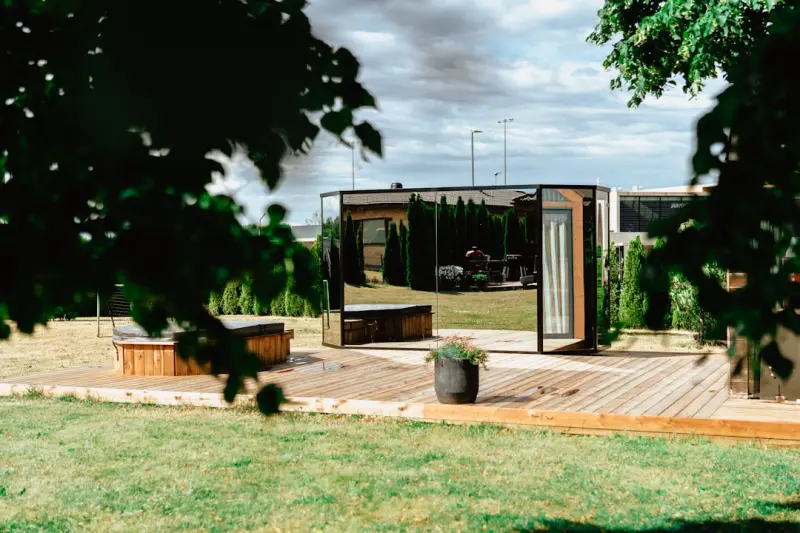
Modular Outdoor Living: Transforming Tiny Urban Spaces into Flexible Retreats
Explore a fresh approach to urban outdoor living with modular components that adapt to your needs, b... Read More

Why the No‑Mow Lawn Is the Next Big Thing for Sustainable Homeowners
A no‑mow lawn swaps high‑maintenance grass for resilient groundcovers, offering eco‑friendly, ... Read More
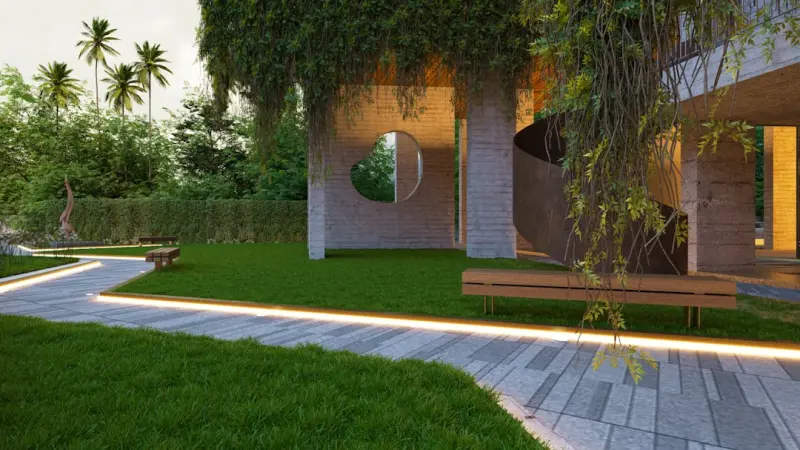
Designing a Pet‑Friendly Garden Oasis for Fun and Safety
Learn how to craft a pet‑friendly garden oasis that blends safety, style, and sustainability, offe... Read More
Top Posts

The Portfolio Career Playbook: Turning Multiple Gigs into a Sustainable Full‑Time Life
Learn the step‑by‑step roadmap to build a thriving portfolio career, balancing flexibility, legal safeguards, and financial planning for long‑term success...Read More

Garden Desks: The Unexpected Edge for Modern Workers
A garden desk isn’t just a piece of furniture; it’s a productivity catalyst that blends nature with work, giving you a competitive edge in today’s employm...Read More

Plug‑In Power: DIY Smart Energy Hacks for Every Home
A step‑by‑step guide to creating a DIY energy audit, using smart plugs, lighting, and simple insulation hacks to slash home electricity costs while boosting...Read More

AI as a Quiet Co‑Pilot for Everyday Decision‑Making
A fresh look at AI as a subtle co‑pilot that nudges decisions, streamlines workflows, and supports personal growth, offering practical steps to embed low‑fr...Read More
0 Comments
Post Comment
You will need to Login or Register to comment on this post!