
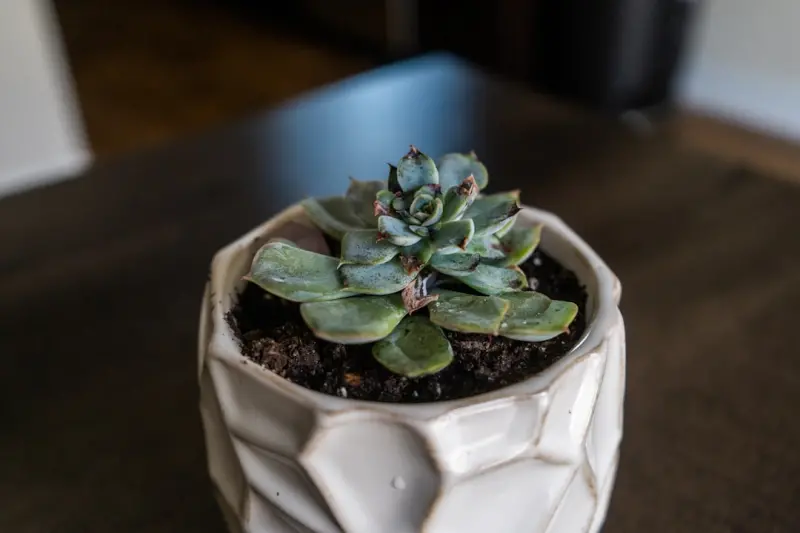
Why Upcycled Planters Are the Next Home‑Garden Revolution
I’ve spent countless weekends coaxing life from cracked pots and wilted seedlings, and I’ve realized that the true magic lies not just in the plants but in the containers that hold them. Turning everyday waste into vibrant planters lets us celebrate sustainability while adding a personal touch that no mass‑produced pot can match. As I wander through my own backyard, each reclaimed bucket, tin can, or worn‑out shoe becomes a conversation starter, inviting neighbors to pause, smile, and ask, “Where did you find that?”
The Joy of Scavenging: Finding the Perfect Discard
My treasure hunts begin in the most unlikely places: the garage, the attic, even the local thrift store, where I hunt for objects with hidden potential. An old teacup can cradle a delicate succulents, a rusted wheelbarrow transforms into a dramatic focal point, and a stack of mismatched wine bottles creates a cascading vertical garden that dazzles from every angle. The key is to select pieces that already have character, because the story they carry will amplify the beauty of the greenery they support.
Preparing Your Canvas: Cleaning, Priming, and Protecting
Before any soil touches these reclaimed vessels, a thorough cleaning is essential; I soak metal cans in a solution of vinegar and water, scrub away rust, and rinse until they gleam. Next comes a coat of primer—especially important for porous materials like wood or ceramic—to seal the surface and prevent leaching, ensuring the plants stay healthy. A final layer of waterproof sealant protects against the elements, extending the life of your upcycled masterpiece for seasons to come.
Painting With Purpose: Color, Texture, and Personal Narrative
Once the containers are prepped, I dive into the artistic phase, treating each piece as a canvas for my own narrative. I love using muted earth tones for a rustic vibe, then splashing a burst of turquoise or coral to echo the sky on a summer day; the contrast creates visual rhythm that draws the eye across the garden. When you pair these hand‑painted accents with bold foliage, the entire space feels curated yet lived‑in, a perfect blend of design and spontaneity.
Choosing Soil and Plants That Complement Upcycled Art
Not all plants thrive in the same conditions, so matching the right species to your container’s size and material is crucial. For deep, sturdy pots like reclaimed barrels, I plant hearty herbs such as rosemary and thyme, which love the warmth of thick walls, while shallow saucers become home to delicate pansies and dwarf marigolds that spill over the edges. Pairing the right flora with your upcycled vessel not only maximizes growth but also enhances the visual story you’re telling.
Seasonal Swaps: Keeping the Garden Fresh Year‑Round
One of the most rewarding aspects of upcycled planters is the ability to rotate plants with the seasons, giving your garden a dynamic, ever‑changing palette. In spring, I replace winter‑hardy evergreens with vibrant begonias; summer welcomes sun‑loving zinnias, and autumn calls for the rich reds of Japanese maple seedlings. This rhythmic change mirrors the natural world and ensures that every visit to your garden feels like a new discovery, much like the thrill of finding a new upcycle project.
Integrating Upcycled Planters With Existing Garden Features
To achieve harmony, I weave my reclaimed containers into existing garden structures, using them to accent pathways, frame seating areas, or flank a fire pit. A row of painted tin cans can line a walkway, guiding guests toward a cozy nook where a healing herb garden offers both aroma and utility. By thoughtfully placing each piece, the garden feels cohesive, yet each upcycled element retains its individuality.
Community Connections: Sharing the Upcycle Spirit
There’s something deeply satisfying about inviting friends and neighbors to join the upcycling adventure, turning a solitary hobby into a community celebration. I host “Pot‑Swap Saturdays,” where we exchange reclaimed containers, swap plant cuttings, and share tips on waterproofing and planting. These gatherings not only expand your collection of unique planters but also foster a sense of belonging, reminding us that a thriving garden is as much about relationships as it is about roots.
Maintaining Your Artistic Garden: Care Tips for Longevity
Even the most beautifully crafted upcycled planters need regular attention to stay vibrant. I check drainage holes weekly, ensuring excess water escapes and roots stay aerated; if a hole clogs, a quick poke with a skewer restores flow. Seasonal pruning, re‑potting, and occasional touch‑ups of paint keep the containers looking fresh, while a light dusting of compost each spring feeds the soil, guaranteeing that both plant and pot continue to flourish for years to come.

When it comes to the world of blogging and writing, Rose DesRochers is a name that stands out. Her passion for creating quality content and connecting with her audience has made her a trusted voice in the industry. Aside from her skills as a writer and blogger, Rose is also known for her compassionate nature.
Related Posts
The Garden Desk Revolution: How Outdoor Workspaces Are Transforming Home Life
Explore the rise of garden desks and learn practical steps to create an outdoor workspace that blend... Read More
Unlocking Your Backyard’s Hidden Microclimates for a Thriving Garden
Learn to identify and harness the subtle sun, shade, wind, and moisture zones in your yard, matching... Read More
Why My Garden Desk Became the Heartbeat of Home Living
A garden desk turned my backyard into a vibrant hub, merging work, family, and nature. Learn the ben... Read More
Top Posts

Minimalist Bathroom Makeover: Elevate Personal Care with Intentional Simplicity
A minimalist bathroom transforms personal care from a chaotic checklist into a calm, intentional ritual. Learn how decluttering, thoughtful fixtures, and simple...Read More

Pocket‑Size Fitness: Transforming Desk Hours into Health Wins
Miranda Murphy reveals how micro‑movements at your desk can combat sedentary strain, improve mood, and enhance productivity, turning ordinary work hours into ...Read More

Dynamic, Outcome‑Focused Job Contracts for Modern Teams
Static job descriptions are holding your talent back. Learn how dynamic, outcome‑focused contracts empower employees, align incentives, and future‑proof you...Read More
Garden Desk Revolution: Jimmy Damon’s Guide to the Hottest Home & Garden Trend
Jimmy Damon shares his personal journey creating a garden desk, offering design tips, productivity boosts, and a vision for the future of green workspaces....Read More
0 Comments
Post Comment
You will need to Login or Register to comment on this post!