
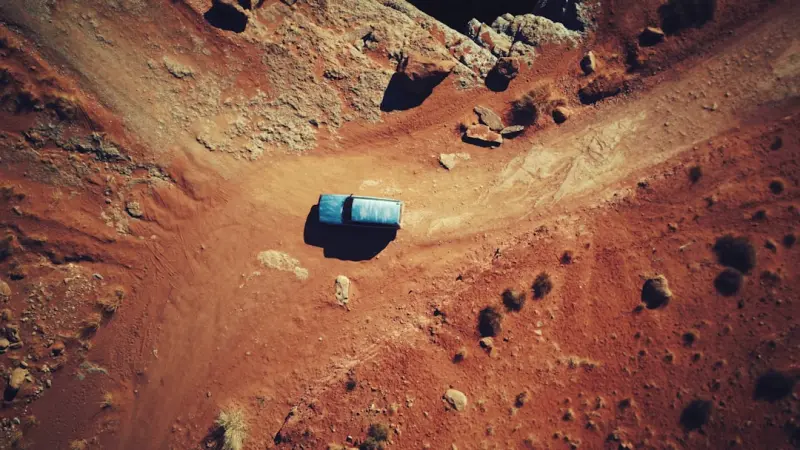
When I first boarded a rickety bus through the winding streets of a coastal village, I felt something I hadn’t expected: a subtle shift in the chemistry of my own mind. The salty air, the clamor of market vendors, the splash of waves against a pier – each sensation acted like a catalyst, nudging dormant ideas into the foreground. I realized that travel isn’t just a break from routine; it’s a laboratory for curiosity, a place where the ordinary becomes a conduit for extraordinary thinking.
The Hidden Physics of Curiosity
Curiosity is often described as a feeling, but neuroscience tells us it’s a cascade of neurotransmitters – dopamine, norepinephrine, and acetylcholine – that fire up the brain’s reward circuitry. When we encounter something novel, the brain releases a burst of dopamine, signaling that the experience is worth paying attention to. This biochemical response is the same mechanism that drives us to solve puzzles, learn new skills, or brainstorm creative solutions.
Travel super‑charges this system in three distinct ways:
- Environmental Novelty: Unfamiliar landscapes force the brain to map new spatial relationships, sharpening visual‑spatial reasoning.
- Sensory Overload: New smells, sounds, and textures increase the flow of acetylcholine, heightening alertness and memory formation.
- Social Displacement: Interacting with people whose cultural assumptions differ from our own challenges ingrained mental models, prompting the release of norepinephrine and encouraging flexible thinking.
By understanding these mechanisms, we can design trips that deliberately engage each pathway, turning vacation time into a strategic boost for problem‑solving back at the office.
Designing a Curiosity‑Centric Itinerary
Most travel guides focus on “must‑see” landmarks. I propose a different framework: the Curiosity‑Centric Itinerary. Below is a step‑by‑step blueprint you can adapt for any destination.
- Identify a Core Question. Before you pack, write down a professional challenge you’re wrestling with. It could be anything from “How do we improve cross‑team communication?” to “What new revenue streams could we explore?” This question will act as a compass, directing where you seek experiences.
- Map Sensory Hotspots. Research local markets, festivals, or natural sites known for distinct aromas, textures, or sounds. For instance, a spice market in Marrakech floods the olfactory senses, while a sunrise hike in the Andes offers a dramatic visual palette.
- Schedule “Unstructured” Blocks. Reserve at least two hours each day for spontaneous exploration. Use a simple notebook to jot down observations, emotions, and any sudden insights related to your core question.
- Engage in “Cultural Exchanges”. Arrange a coffee with a local artisan, attend a community cooking class, or simply sit on a park bench and listen to conversations. These moments create social displacement, nudging you to view problems through an unfamiliar lens.
- Reflect in Real‑Time. At the end of each day, spend ten minutes reviewing your notes. Highlight any patterns that echo your professional challenge. This practice is a miniature version of structured reflection, but applied to travel.
The power of this approach lies in its intentionality. You’re no longer a passive tourist; you become an active researcher, harvesting data for your next breakthrough.
From Observation to Innovation: Translating Travel Insights
When you return home, the real work begins – converting raw observations into actionable ideas. Here’s a practical workflow that bridges the gap between vacation and boardroom.
- Cluster Themes. Review your daily notes and group them into thematic clusters (e.g., “resource efficiency”, “community engagement”, “adaptive design”).
- Analogical Mapping. Take each cluster and ask, “What problem in our organization mirrors this scenario?” For example, a village that uses rainwater harvesting could inspire a more sustainable data‑center cooling strategy.
- Prototype in Mini‑Experiments. Select one analogy and design a low‑risk experiment to test its relevance. This might be a pilot project, a workshop, or a rapid‑prototype session.
- Iterate and Scale. Gather feedback, refine the concept, and if the results are promising, develop a roadmap for broader implementation.
This method mirrors the iterative cycles used in design thinking, but the seed ideas originate from real‑world immersion rather than internal brainstorming sessions.
Travel as a Decision‑Boosting Engine
In my own career, I’ve seen how a single trip can recalibrate an entire strategic outlook. While attending a community-led clean‑energy forum in a remote mountain town, I observed how locals made collective decisions through simple visual boards and story‑telling circles. That experience sparked an internal project to replace our lengthy email‑driven approval process with a visual, collaborative dashboard. Within months, decision latency dropped by 30%.
Want to dive deeper into how travel can sharpen judgment? Check out the decision lab concept, which explores the same principle in a more focused context.
Leveraging Tiny Pauses for Deeper Processing
While you’re navigating bustling streets or serene landscapes, remember that the brain needs moments of consolidation. Incorporating brief, intentional pauses—whether it’s a five‑minute meditation on a balcony or a slow sip of tea at a local café—allows neurotransmitters to settle and memories to solidify. This practice aligns with the research behind tiny pauses that amplify mental clarity.
Case Study: The Artisan’s Workshop
During a week in a ceramics town in Portugal, I spent three mornings in an artisan’s workshop. Watching the potter shape clay with deliberate, rhythmic motions, I realized that the process mirrored agile sprint cycles: a clear goal, incremental shaping, and constant feedback. I returned with a fresh framework for our product team—calling it “the Clay Sprint”—which emphasizes rapid prototyping followed by immediate user testing. Within two quarters, the team’s feature rollout speed increased noticeably, and user satisfaction scores rose.
Practical Tips for the Curious Traveler
Below are actionable habits you can adopt on any trip, regardless of budget or destination.
- Carry a Sensory Log. Instead of a traditional journal, divide each page into columns for scent, sound, touch, and visual. Fill them out on the go.
- Ask “Why?” at Every Interaction. When a local explains a custom, probe deeper: “What problem does this solve for your community?” This question uncovers underlying principles you can transpose to business challenges.
- Swap Your Normal Routine. Replace your morning coffee with a local beverage. The change in caffeine source, flavor profile, and preparation method jolts the brain out of autopilot.
- Use Public Transport. Navigating buses or trains forces you to read schedules, interpret signage, and negotiate space—tiny exercises in adaptive thinking.
- Collect Physical Artifacts. A small stone, a handwritten receipt, or a ticket stub serves as a tactile reminder of the experience, prompting future reflection.
Returning Home: Maintaining the Momentum
The transition from travel back to the office can be jarring. To sustain the curiosity spark, implement a “post‑trip integration week.” During this period, schedule short sessions with teammates to share insights, run mini‑workshops based on your analogical maps, and experiment with one prototype derived from your observations. By institutionalizing the hand‑off, you prevent the ideas from evaporating like footprints in sand.
Conclusion: Make Curiosity Your Compass
Travel, at its core, is an invitation to step outside the familiar and let the brain’s chemistry do its work. When you approach a journey with the intentional goal of provoking curiosity, you turn every street corner into a potential catalyst for innovation. The next time you book a flight, think beyond the sights you’ll see—consider the questions you’ll ask, the sensations you’ll capture, and the breakthroughs waiting in the neural pathways that will light up along the way.

Margaret Thomson is a seasoned freelance writer specializing in the dynamic worlds of marketing and advertising. With a career deeply rooted in the marketing field, Margaret brings a wealth of practical experience and insightful knowledge to her writing.
Related Posts

Wanderlabs: Turning Every Trip into a Personal Growth Experiment
Treat each journey as a lab by setting simple hypotheses, tracking micro‑habits, and using local s... Read More

Shared Gear, Shared Stories: The Rise of Portable Adventure Rentals
Gear‑sharing hubs are transforming travel by letting explorers rent high‑tech adventure gear, re... Read More
How Pop‑Up Cultural Labs Are Turning Ordinary Trips Into Unforgettable Experiments
Pop‑up cultural labs are temporary, collaborative spaces that let travelers co‑create with local... Read More
Top Posts
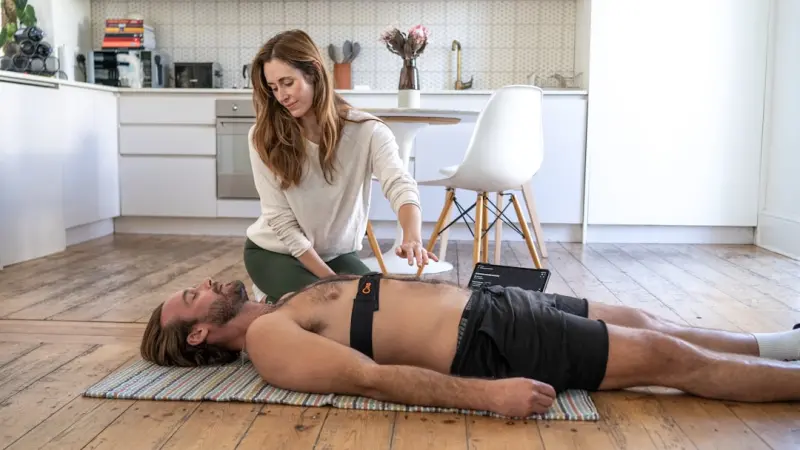
Harnessing Breath: How Wearable Biofeedback Can Rewire Your Stress Response
Learn how wearable biofeedback transforms ordinary breathing into a powerful tool for stress reduction, enhanced focus, and overall health, using simple daily m...Read More
Micro‑Moments: Reclaiming Mental Space in a Hyper‑Connected Workday
A practical guide to embedding brief, purposeful pauses into daily workflows, showing how micro‑moments reset the brain, boost productivity, and foster lastin...Read More

Beyond Sight: Harnessing Sound, Taste, and Rhythm for Deeper Travel
Explore a fresh travel approach that prioritizes sound, flavor, and rhythm, turning every journey into a lasting sensory adventure....Read More

Travel Light, Think Deep: Building a Minimalist Toolkit for Global Problem‑Solving
A minimalist travel toolkit, combined with micro‑habits, turns ordinary trips into powerful innovation labs, enhancing productivity and creativity while keepi...Read More
0 Comments
Post Comment
You will need to Login or Register to comment on this post!