
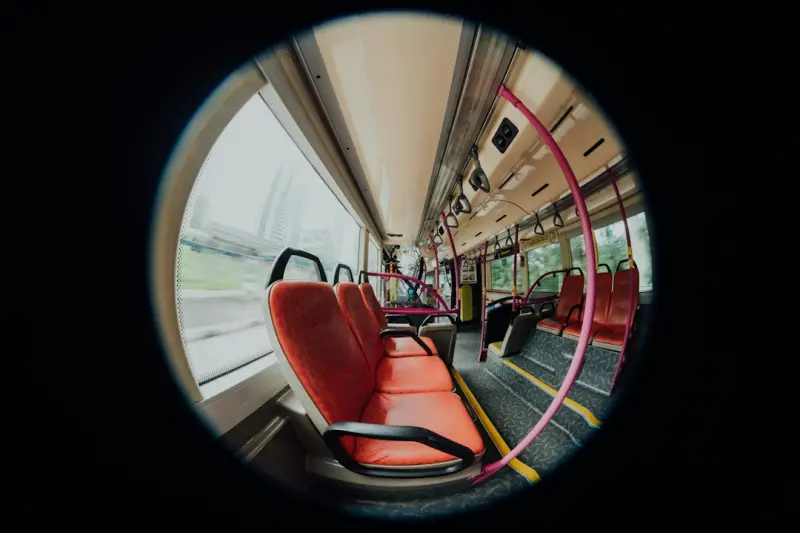
Why Every Commute Deserves a Passport Stamp
When most people think about travel, they picture far‑off airports, exotic beaches, or mountain‑top lodges. I, however, spend half my life navigating city streets, train platforms, and office corridors. Over the years I’ve learned that the spaces between “destinations” hold the richest stories—if you’re willing to treat them like a trip rather than a transition. This mindset shift is what I call micro‑adventure thinking: a deliberate practice of turning ordinary commutes into bite‑sized expeditions that feed curiosity, boost creativity, and keep the wanderlust flame alive.
The Psychology of Mini‑Explorations
Our brains are wired to reward novelty. A new scent, a different skyline, an unexpected conversation—all trigger dopamine spikes that make us feel alive. Yet the modern hustle often forces us into a loop of predictability: the same subway car, the same coffee shop, the same route home. By injecting intention into these moments, you rewire the routine into a series of discovery points.
Research on timed meals shows that aligning activities with our internal rhythms can amplify focus and mood. The same principle applies to travel: when you sync your commute with a purposeful agenda—whether it’s tasting a local snack, sketching a street mural, or simply listening to a regional podcast—you elevate a mundane task into a sensory‑rich experience.
Mapping the Micro‑Adventure
Start with a simple map. Grab a digital or paper map of your regular route and annotate it with three categories:
- Visual Treats: Murals, historic facades, unusual storefronts.
- Auditory Gems: Street musicians, public announcements in a different language, the rhythm of a bustling market.
- Taste Stops: Pop‑up food carts, bakery windows, or a vendor you’ve never tried.
Pick at least one item from each category for every week. The goal isn’t to become a tourist in your own city—it's to become a mindful explorer who acknowledges the layers beneath the surface.
Intentional Pauses: The Art of Stopping to Smell the... Everything
One of the most underrated tools for a micro‑adventure is the intentional pause. Instead of sprinting to the next stop, give yourself a 2‑minute window to observe. Look up at the architecture, listen to the ambient chatter, or simply breathe in the scent of fresh rain on pavement. These pauses act as cognitive “reset buttons,” letting you absorb details that would otherwise blur into the background.
When you practice this regularly, you’ll notice patterns: a particular corner where a graffiti artist updates his work weekly, a bakery that rolls out a new pastry every Thursday, or a park bench that becomes a pop‑up reading nook. These recurring micro‑moments become the markers of your personal travel diary.
Curating a Sensory Backpack
Travel isn’t just about where you go—it’s about how you equip yourself. I keep a sensory backpack that’s lightweight yet versatile:
- Notebook or Sketchpad: Jot down observations, doodle, or note a phrase you overheard.
- Portable Charger: Keeps your devices alive for those spontaneous photo ops.
- Reusable Water Bottle: Hydration matters, especially when you’re exploring on foot.
- Compact Camera or Smartphone Lens Kit: Capture details that the naked eye might miss.
- A small herb‑infused travel kit: A mint leaf or lavender sachet can instantly shift your mood and make any stop feel more intentional.
This kit doesn’t need to be elaborate; its purpose is to signal to yourself that you’re on a mini‑quest, not just a commute.
Engaging Locals in Transit
Every commuter is a potential guide. A friendly chat with a bus driver about a hidden alleyway, or a question to a fellow rider about the best lunchtime spot, can open doors to experiences you’d never discover on your own. These brief interactions also reinforce a sense of community—something that large‑scale tourism often overlooks.
Tip: Learn a phrase or two in the language most spoken along your route. Even a simple “Good morning” in another tongue can spark a smile and a story.
Technology That Enhances, Not Distracts
While the word “technology” often carries a warning sign in travel writing, there’s a sweet spot where it actually deepens the experience. Think of connected devices as subtle amplifiers rather than replacements for presence.
Examples include:
- Location‑Based Audio Guides: Apps that trigger a short audio snippet when you pass a landmark.
- Ambient Sound Recorders: Capture the unique hum of a market or the cadence of a train’s wheels for later reflection.
- Micro‑Journaling Apps: Quick prompts that pop up at designated stops, encouraging you to log a thought or sketch.
The key is to use these tools in short bursts, ensuring they serve your curiosity rather than dominate it.
Keeping It Sustainable
Micro‑adventures are inherently low‑impact—they rely on walking, public transit, or short bike rides. However, a conscious traveler still considers waste. Bring a reusable cup for coffee stops, say yes to digital tickets, and be mindful of litter. By treating each micro‑journey with the same respect you’d give a far‑off expedition, you reinforce sustainable habits that scale up.
Real‑World Stories: Micro‑Adventure in Action
Let me share a couple of recent moments that illustrate this philosophy:
- The Forgotten Courtyard: While waiting for a train, I noticed a narrow opening between two office buildings. A quick detour revealed a tranquil courtyard filled with jasmine vines and a lone saxophonist. I spent ten minutes listening, sketching the scene, and sipping water from my bottle. That brief pause turned a dull wait into a sensory oasis.
- Midnight Street Food Quest: One night my usual bus was delayed, leaving me with an hour to kill. I followed the aroma of grilled tofu to a hidden stall that served a spicy mango‑lime dip. The vendor shared the story behind the recipe, and I left with a small bag of the dried dip to try at home. That unexpected flavor adventure reminded me that culinary discoveries are never far away.
- Podcast‑Powered Walk: I paired a locally produced history podcast with my morning walk. As the narrator described the city’s founding, I turned the corner onto a street I’d never explored and saw the very building mentioned. The synergy between audio and sight created a vivid, memorable moment.
These anecdotes reinforce that micro‑adventures are not about grandeur; they’re about depth of engagement.
Getting Started: A One‑Week Checklist
Ready to transform your commute? Try this simple plan:
- Choose a Route: Pick the path you travel most often.
- Identify Three “Stops”: Use the visual, auditory, and taste categories.
- Pack Your Sensory Backpack: Gather the essentials listed above.
- Set Intentional Pauses: Schedule at least two 2‑minute observations per day.
- Engage One Local: Ask a fellow traveler a question about the area.
- Use One Tech Aid: Activate a location‑based audio cue or micro‑journal prompt.
- Reflect: At the end of the week, review your notes, photos, and sketches. Identify patterns or new interests that emerged.
By the end of the week, you’ll likely notice a shift in how you perceive everyday movement. What once felt like a chore becomes a series of discovery points—each with its own story.
Conclusion: The Journey Is the Destination
Travel doesn’t have to be confined to passports, plane tickets, or distant horizons. By embracing micro‑adventure thinking, you transform the in‑between spaces into a personal atlas of experiences. The next time you step onto a bus or walk down a familiar hallway, ask yourself: “What story is waiting for me here?” The answer, more often than not, will be a delightful surprise that fuels your wanderlust, no matter how close to home you are.

Sanji Patel has dedicated 25 years to the SEO industry. As an expert SEO consultant for news publishers, he emphasizes providing both technical and editorial SEO services to news publishers worldwide. He frequently speaks at conferences and events globally and offers annual guest lectures at local universities.
Related Posts

The Soundtrack of Wanderlust: How Curated Audio Elevates Every Journey
A guide to designing a travel soundtrack that syncs music, local sounds, and ambient recordings with... Read More
The Art of Sensory Travel: Mapping Memories Beyond Photos
Learn to travel with all five senses, creating a sensory diary that captures smell, sound, taste, to... Read More

Culinary Cartography: Mapping the World Through Street Food
Travel becomes richer when food leads the way. This guide shows how to design a culinary-first itine... Read More
Top Posts

A Fresh Take on Mental Health: Crafting Your Personal Dashboard
Discover a step‑by‑step guide to designing a mental‑health dashboard that turns everyday feelings into clear data, helping you manage stress, boost energy...Read More

Sunlit Sessions: Reclaiming Daylight for Peak Health
Explore the transformative power of daily sunlight on physical and mental health, with practical tips for integrating more natural light into your work, home, a...Read More

Reprogramming Your Body Clock: Practical Hacks for Healthier Sleep in the Remote Age
Discover practical, science‑backed strategies to reset your body clock, from morning light exposure to meal timing and digital sunsets, and reap long‑term h...Read More

Why My Garden Desk Became My Career Game‑Changer
From a cramped cubicle to a sun‑lit garden desk, I transformed my work habits, health, and career. Learn why outdoor workspaces are the new engine of employee...Read More
0 Comments
Post Comment
You will need to Login or Register to comment on this post!