
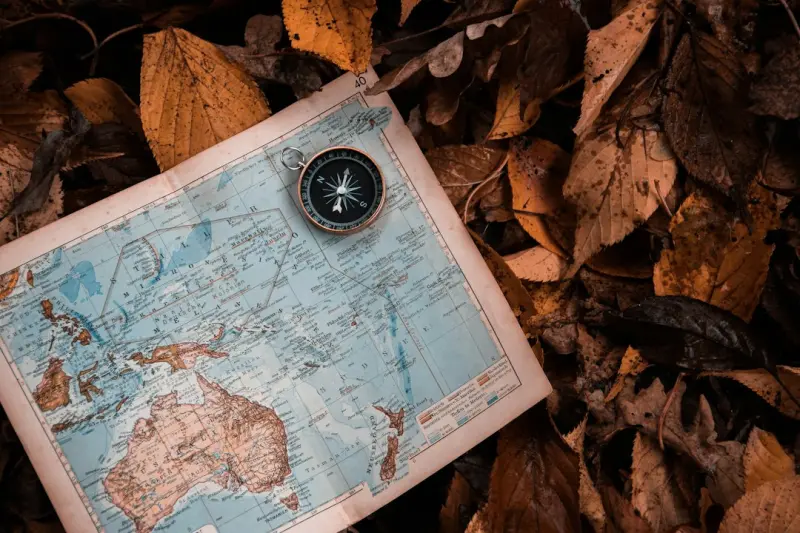
When I first set foot in the bustling lanes of a night market, the scent of charred soybeans, sweet mango sticky rice, and freshly fried fish balls hit me like a welcome hug. It was a reminder that travel isn’t just about ticking landmarks off a list; it’s about letting your senses chart a map you’ll never forget. Over the years I’ve learned that the most unforgettable journeys are those where the palate leads the way, turning every bite into a story, every stall into a waypoint, and every lingering flavor into a memory you can taste long after the trip ends.
Why Food Becomes the True Compass
We’re wired to remember smells and tastes more vividly than visual details. Evolutionarily, our ancestors used flavor cues to gauge safety and nutrition. Modern travelers can harness that primal wiring: the moment you savor a dish you’ve never encountered, your brain logs it with a richness that photos simply can’t capture. That’s why a simple bowl of pho in a Hanoi alley can feel more authentic than a postcard of the Eiffel Tower.
But there’s a subtle art to this culinary navigation. It’s not about stuffing yourself at every stall; it’s about pausing, observing, and letting the local food culture speak to you. Think of each bite as a waypoint on a sensory map—one that you can revisit whenever you need a mental escape from the daily grind.
The “Flavor Trail” Method: A Step‑by‑Step Guide
- Scout Before You Arrive: A quick glance at local food blogs or Instagram hashtags can reveal hidden gems that tourists often miss. Look for dishes with stories—something that’s tied to a festival, a family tradition, or a regional legend.
- Start Small, Finish Big: Begin with street‑side snacks—think takoyaki in Osaka or pão de queijo in São Paulo. These bite‑sized treats are affordable, easy to share, and often the most authentic.
- Ask the Locals: Vendors love to share the tale behind their recipes. A quick conversation can unlock the history of a dish and, occasionally, a secret off‑menu variation.
- Document with More Than a Photo: Jot down the taste profile, texture, and the emotions it evoked. A simple three‑column table—Flavor, Texture, Feeling—creates a personal culinary log you’ll cherish.
- Pair With a Walk: Let the flavors guide your next steps. If a spicy broth warms you, stroll toward a nearby park to cool off; if a citrus dessert lifts your mood, head to a rooftop bar for a sunset view.
From Street Stalls to Sustainable Travel
Traveling for food also offers a chance to support local economies in a meaningful way. When you buy directly from a family‑run stall, you’re injecting cash into the community, helping preserve culinary traditions that might otherwise fade. This aligns beautifully with the growing movement toward responsible tourism—where your footprint is as light as the aromas you inhale.
For example, in a recent trip to Oaxaca, I chose a small tlayuda* stand over a tourist‑centric restaurant. Not only did I get a massive, crispy tortilla topped with black beans, cheese, and fresh grasshoppers, but I also learned about the ancient corn‑raising rituals that the family still practices. The experience felt richer than any five‑star dining room could offer.
Turning Transit Time into a Culinary Playground
Long bus rides, train journeys, or even layovers can become opportunities to deepen your flavor adventure. Remember the blog post Turning Transit Time into a Playground for Curiosity? I applied its principle by turning a six‑hour train ride across Italy into a tasting session. I packed a small cooler with regional cheeses, cured meats, and a jar of fresh basil pesto. As the landscape changed, so did the pairings—provolone with Tuscan grapes, then gorgonzola with Lombardy apples. The train became a moving tasting menu, and the journey felt less like a chore and more like a curated culinary tour.
Pop‑Up Co‑Living Pods: A New Home Base for Food Explorers
One of the most exciting trends I’ve encountered is the rise of pop‑up co‑living pods—compact, communal spaces that appear in city centers for short stays. The post Pop‑Up Co‑Living Pods explored this phenomenon, and I can’t help but add a foodie twist. These pods often include shared kitchens stocked with local ingredients, encouraging travelers to cook together, swap recipes, and bond over shared meals.
During a three‑day stay in a Kyoto pop‑up hub, I joined a midnight miso‑soup session with fellow travelers from Brazil, Kenya, and Canada. We each contributed a unique ingredient—a dash of gochujang, a pinch of smoked paprika, a splash of maple syrup—and the result was a broth that tasted like a world tour in a single spoonful. The experience reminded me that food can be a bridge, turning strangers into fellow explorers.
Beyond the Plate: How Flavor Shapes Culture and Memory
Every dish is a cultural artifact. A steaming bowl of ramen in Tokyo isn’t just noodles; it’s the story of post‑war resilience, the artistry of broth simmered for hours, and the meticulous craft of a chef who has perfected his recipe over decades. When you engage with these stories, you’re not merely tasting—you’re participating in a living narrative.
Research shows that olfactory and gustatory memories are among the most durable. That’s why the smell of a particular spice can instantly transport you back to a bustling market in Marrakech, even if you left that city years ago. By intentionally seeking out those flavors, you create a mental archive that you can revisit anytime, wherever you are.
Practical Tips for the Flavor‑First Traveler
- Pack Light, Pack Smart: Bring a reusable utensil set, a compact spice kit, and a small insulated bag for leftovers. This reduces waste and lets you bring a piece of your journey home.
- Embrace Food‑Safety Basics: Stick to cooked foods, watch for fresh produce, and keep perishable items cool. Trust your instincts—if something looks or smells off, move on.
- Leverage Technology Wisely: Use translation apps to ask about ingredients, or local food forums for hidden recommendations. But don’t let screens replace the spontaneous conversations that often lead to the best meals.
- Stay Hydrated and Balanced: While indulgence is part of the fun, intersperse rich meals with fresh fruits, salads, and water to keep energy levels stable.
- Leave Room for the Unexpected: Some of the most memorable dishes are discovered by wandering off the beaten path—follow a tantalizing aroma, and you might stumble upon a family‑run eatery that isn’t listed online.
From Traveler to Storyteller: Sharing Your Flavor Trails
After each trip, I like to compile my culinary notes into a “Flavor Journal.” It’s a blend of sketches, tasting notes, and personal reflections. Sharing these journals—whether as a blog, a photo‑essay, or a simple email to friends—extends the journey beyond the physical borders you crossed.
If you’re inclined, consider turning your notes into a digital map using tools like Google My Maps. Pin each dish, attach a short description, and you’ll have an interactive culinary atlas that friends can explore. This not only inspires others but also cements your own memories in a vivid, visual format.
Conclusion: Let Your Taste Buds Lead the Way
Travel is an ever‑evolving story, and the most compelling chapters are often written in the language of flavor. By adopting a “Flavor Trail” mindset—where each bite, aroma, and conversation becomes a waypoint—you’ll discover layers of culture, history, and humanity that standard tourist guides simply can’t capture.
So next time you pack your suitcase, tuck a small notebook alongside your passport, and let the world’s kitchens become your compass. Your next unforgettable adventure might just begin with the sizzle of a street‑side grill and end with a story you’ll tell for years to come.

Miranda Murphy: Experienced freelance writer with a decade of storytelling expertise. Let's create something amazing together!
Related Posts

Soundtracking Your Journey: How Curated Playlists Transform Travel
A travel playlist can do more than fill silence—it shapes emotions, anchors memories, and deepens ... Read More

Embracing the Unplanned: How Serendipity is Redefining Modern Travel
The post explores the rise of serendipitous travel, offering strategies for flexible planning, tech ... Read More

Beyond Sight: Harnessing Sound, Taste, and Rhythm for Deeper Travel
Explore a fresh travel approach that prioritizes sound, flavor, and rhythm, turning every journey in... Read More
Top Posts

Digital Minimalism: Trim Your Screen, Find Calm
Learn why endless scrolling harms your brain and how to create screen‑free zones, manage notifications, and use simple audio tools to reclaim mental clarity....Read More

Ingredient Transparency: A New Personal Care Playbook
Discover a step-by-step guide to understanding ingredient lists, building a personal ingredient dictionary, and selecting products that align with both skin hea...Read More

The Hidden Potential of Neglected Nooks: Turning Unused Spaces into Thriving Garden Sanctuaries
Learn to turn forgotten hallways, balconies, and windowsills into thriving garden sanctuaries, boosting wellbeing and home aesthetics with simple, sustainable s...Read More

Cold Therapy: Why Embracing the Chill Can Supercharge Your Health
Explore the science and practical steps behind cold therapy, from short cold showers to ice baths, and learn how this simple practice can boost immunity, metabo...Read More
0 Comments
Post Comment
You will need to Login or Register to comment on this post!