
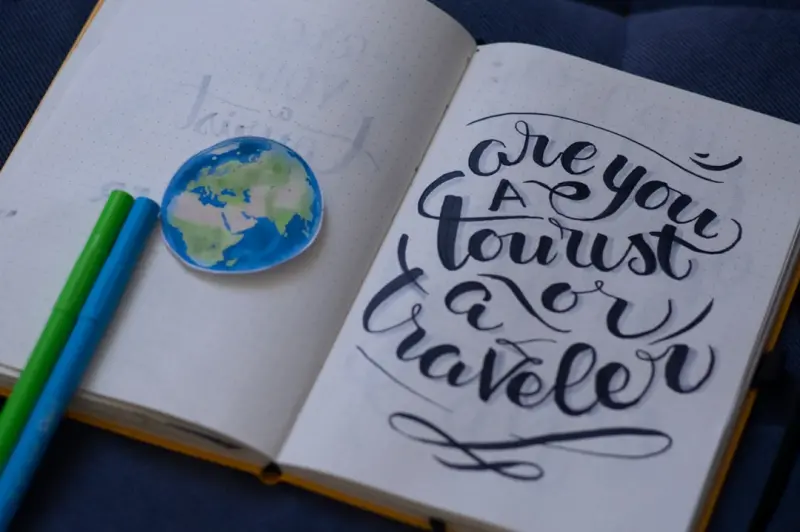
Why I Started Packing My Phone in a Box
It sounds absurd, but the first time I slipped my smartphone into a cardboard box before a weekend trip, I felt a surge of excitement that rivaled the anticipation of boarding a plane. The hum of notifications, the endless scroll of feeds, the invisible pressure to be “always on” had begun to feel like a leash I was finally willing to cut. I wanted to travel not just to see new places, but to re‑experience the world without a digital filter—to hear the rustle of leaves, the murmur of a market, the cadence of a foreign language without my brain simultaneously translating, tagging, and posting.
The Problem: Travel in the Age of Constant Connectivity
Travel used to be a simple act of moving from point A to point B. Today, it’s a data‑driven performance. Airlines ask for biometric data, hotels push app‑based check‑ins, and every moment is expected to be documented for an audience that may never meet us. While this connectivity brings undeniable convenience, it also creates a paradox: the more we try to capture, the less we actually experience. I found myself arriving at a beautiful coastal town only to spend the first hour scrolling through Instagram, comparing my view to a filtered version someone else posted weeks ago.
What an Unplugged Adventure Looks Like
Designing an offline trip is less about abandoning technology forever and more about redefining its role. Below are the core principles I follow, each illustrated with stories from my own journeys.
- Pre‑Trip Planning, Not Real‑Time Planning: I map out my route, accommodations, and key activities before I leave home, printing maps and itineraries on sturdy paper. This eliminates the need to pull out a phone every few minutes to confirm the next stop.
- Purposeful Device Storage: My phone lives in a box (or a zip‑lock bag) for the first half of the trip. I bring a basic feature phone for emergencies only, and a small notebook for thoughts and sketches.
- Curated Sensory Triggers: I choose destinations that naturally engage the senses—markets with spices, forests with mossy floors, towns where the sea smells of salt. The goal is to let the environment be my guide.
- Micro‑Rituals for Grounding: Each morning I spend ten minutes sitting on a balcony or a park bench, breathing in the ambient sounds and noting them in my journal. This simple habit anchors me in the present.
- Community‑First Interaction: Without the safety net of Google Translate on a screen, I make a point to learn a few key phrases, then rely on gestures, smiles, and shared laughter to connect with locals.
A Real‑World Example: The Silent Fjord Expedition
Last spring, I booked a three‑day cabin retreat on a remote Norwegian fjord. The only Wi‑Fi signal was a flickering dot at the edge of the property, and the cabin had no television. I left my smartphone in a sealed container, packed a paper map, a journal, a sketchpad, and a compact digital camera for the occasional photo—strictly for personal memory, not for instant posting.
Day one was all about orientation. I hiked the surrounding trails, noting the color of the moss and the sound of the water against stone. Instead of checking my phone for the “best photo spots,” I let the landscape dictate the composition. By sunset, I was exhausted but exhilarated, my notebook filled with sketches of the fjord’s jagged cliffs.
Day two, I joined a local fisherman’s crew. Without a digital translator, I asked about the types of fish we would catch and learned the art of patience from their steady rhythms. The conversation was slow, deliberate, and full of laughter—something no notification could ever replicate.
On day three, I took a small rowboat out onto the water. The silence was profound; the only sounds were the oars cutting through the water and distant gulls. I felt a deep sense of belonging that I hadn’t experienced on any previous trip where I was glued to a screen.
When I finally unpacked my phone at the end of the journey, I was surprised to find that I didn’t need to post anything to feel validated. The memories were already vivid, stored in my mind and my notebook, ready to be revisited whenever I wanted.
Designing Your Own Offline Journey
If you’re curious about trying this approach, start small. Choose a destination that’s within a few hours’ travel distance, and commit to a digital‑free half‑day. Below are actionable steps to get you started.
- Set a Clear Intent: Write down why you want to unplug. Is it to reduce stress? To spark creativity? To deepen relationships with locals? A clear purpose will keep you motivated when the urge to check your phone arises.
- Choose the Right Gear: A sturdy notebook, a pen, a printed map, and a simple camera are all you need. If you’re worried about emergencies, a basic feature phone with a prepaid SIM can serve as a lifeline.
- Inform Your Contacts: Let family and work know your schedule and that you’ll be offline. Set an auto‑reply on your email and phone, explaining you’ll respond after a certain date.
- Plan Sensory Experiences: Look for activities that engage smell, taste, touch, sight, and sound. Food markets, artisan workshops, nature hikes, and music festivals are great choices.
- Schedule Reflection Time: Dedicate a few minutes each day to write or sketch. This not only solidifies memories but also gives you a healthy outlet for processing the experience.
Balancing the Digital and the Analog
Going completely offline isn’t feasible—or even desirable—for everyone. I still rely on a GPS device for some remote treks, and I use a translation app when I’m truly stuck. The key is intentionality. Instead of letting technology dictate the flow of your trip, you let the trip dictate the technology usage.
For readers who love a hybrid approach, consider the pop‑up cultural labs concept. These short‑term, community‑driven experiences can be a perfect middle ground—immersive, yet still allowing you to step back from your phone and engage directly with the environment.
Another useful perspective is exploring how travelers craft narratives that last beyond the scroll. The article meaningful travel memories emphasizes storytelling over instant sharing. By focusing on the story you’ll tell yourself later, you naturally reduce the impulse to document every moment in real time.
The Unexpected Benefits of Unplugging
Since I began integrating offline periods into my trips, I’ve noticed several surprising shifts:
- Heightened Creativity: With fewer distractions, my mind has more bandwidth for original ideas. I returned from a digital‑free weekend with a fresh outline for a work project that had been stuck for months.
- Deeper Connections: Locals respond to genuine presence. A simple “hello” without a phone screen in hand often opens doors to home‑cooked meals and stories that would never appear in a guidebook.
- Improved Sleep: Without blue‑light exposure before bedtime, I fall asleep faster and wake up feeling truly rested, ready to explore more.
- Reduced Anxiety: The constant “need to be available” dissipates, replaced by a calm confidence that I’m exactly where I need to be.
Common Fears—and How to Overcome Them
Many travelers hesitate to try an offline trip because of legitimate concerns. Here’s how I addressed them.
Fear of Missing Important News: I set up a news digest to arrive in my inbox the day after I return. Knowing I’ll be updated eases the anxiety.
Fear of Getting Lost: Paper maps have a tactile advantage—they can be folded, annotated, and don’t rely on battery life. I also download offline maps on a separate device.
Fear of Being Unreachable in Emergencies—I carry a small, rugged feature phone with a pre‑paid plan that works in the region. It’s a compromise that offers peace of mind without the temptation of a full smartphone.
From Unplugged to Replugged: Integrating Lessons Back Home
When the trip ends, the goal isn’t to dive straight back into the digital vortex. I use the post‑travel period to process my experiences and integrate new habits into daily life.
One practice I’ve adopted is a weekly “digital‑free evening” where I turn off all screens for two hours, read a travel journal, or simply sit in a park. This not only preserves the calm I discovered abroad but also reminds me that the benefits of unplugging can be sustained at home.
Final Thoughts: Travel as a Reset Button
In a world where we’re constantly bombarded by information, travel can become the ultimate reset button—if we let it. By intentionally limiting our digital footprint, we unlock deeper sensory engagement, richer human connections, and a space for personal growth that no app can provide. So, the next time you’re planning a getaway, consider packing a box for your phone, a notebook for your thoughts, and an open mind for the unexpected. The world is waiting, and it’s louder, brighter, and more vibrant when you listen without a screen in between.

Lauren Miller is a true outdoors enthusiast who has found her passion in the trades. When she's not working hard on the job, you can find her writing, camping, fishing, and exploring all that nature has to offer. A dedicated partner to her wife Beth, Lauren loves nothing more than spending quality time together and experiencing the great outdoors side by side.
Related Posts
Designing Micro‑Escapes: How Tiny Trips Can Recharge Your Creative Engine
Micro‑escapes, brief trips close to home, can deliver the same cognitive lift as long vacations. L... Read More

How to Turn Every Trip into a Personal Narrative Lab
Learn to transform any journey into a personal narrative lab by setting themes, capturing sensory de... Read More

Flavor Trails: How to Turn Every Trip into a Culinary Expedition
Discover how to turn any journey into a deliberate culinary expedition by mapping seasonal ingredien... Read More
Top Posts
Transform Your Backyard into an Outdoor Learning Playground
Discover how to turn your garden into a dynamic outdoor classroom, blending play, science, and seasonal lessons for kids and adults alike....Read More

Playful Pauses: Boosting Mental Health at Work
Learn how integrating tiny, fun activities—like quick sketches, word games, and micro‑puzzles—into your workday can boost dopamine, reduce stress, and imp...Read More

Why Urban Forest Bathing Is the Next Health Revolution
Discover the science and simple steps behind urban forest bathing, a practice that transforms city parks and rooftop gardens into powerful health allies for str...Read More

Storytelling for the Soul: How Writing Your Own Narrative Boosts Mental Health
Learn how crafting your own narrative through journaling can calm the mind, reshape stress pathways, and foster lasting emotional resilience....Read More
0 Comments
Post Comment
You will need to Login or Register to comment on this post!