
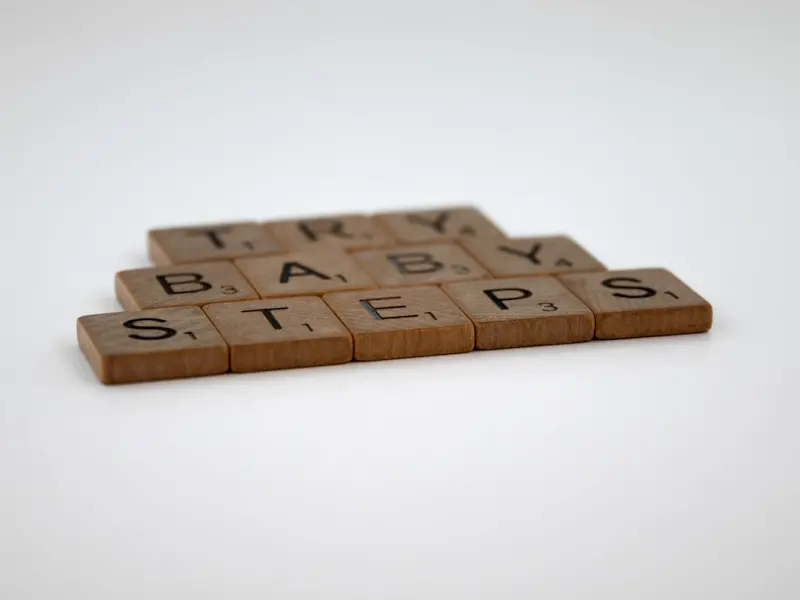
Ever feel like the day stretches on without a breather, and by the time you finally step away from the screen, your mind is already racing back to the next task? I’ve been there—sitting in endless Zoom calls, juggling a flood of Slack messages, and watching my to‑do list grow faster than my coffee intake. What saved me wasn’t a grand meditation retreat or a radical lifestyle overhaul; it was the power of microbreaks—tiny, intentional pauses that reset the nervous system, sharpen focus, and rebuild mental stamina.
Why Microbreaks Matter More Than You Think
Our brains are not built for marathon concentration. Neuroscience tells us that sustained attention peaks in bursts of roughly 90 minutes, after which cognitive performance declines sharply. Without deliberate interruption, the brain’s default mode network—responsible for wandering thoughts and mind‑drift—takes over, leading to mental fog, irritability, and a creeping sense of overwhelm.
Microbreaks are the antidote. By stepping away for just 60–90 seconds, you give the prefrontal cortex a momentary reset, allowing dopamine and norepinephrine levels to rebalance. The result? A clearer head, renewed motivation, and a reduced physiological stress response.
Designing Microbreaks That Fit Your Workflow
Not all breaks are created equal. A mindless scroll through social media may feel like a pause, but it often adds to cognitive load. Instead, aim for activities that:
- Engage the body lightly: stand, stretch, or do a quick neck roll.
- Shift sensory input: look out a window, touch a textured object, or listen to a brief nature sound.
- Ground the mind: practice a single breath count, a brief gratitude note, or a visual scan of your surroundings.
These micro‑interventions are low‑effort, low‑distraction, and high‑impact. The key is consistency—treat them as non‑negotiable appointments in your calendar.
Microbreak Modalities to Try Right Now
1. The “Box Breathing” Reset
Inhale for a count of four, hold for four, exhale for four, hold again for four. Repeat three cycles. This simple pattern reactivates the parasympathetic nervous system, lowering heart rate and calming the amygdala.
2. The “5‑5‑5” Visual Scan
Spend five seconds each observing five objects in your peripheral vision, then shift focus for another five seconds on five different objects. This quick visual exercise disrupts the mental tunnel and refreshes visual processing pathways.
3. The “Desk Plant Whisper”
If you have a plant at your workspace, spend a moment gently touching a leaf, noting its texture, or simply watching its slow movements. Studies show that brief exposure to greenery can lower cortisol levels and improve mood.
4. The “Micro‑Movement Sprint”
Stand, do ten calf raises, or march in place for thirty seconds. Movement pumps fresh blood to the brain, delivering oxygen and clearing metabolic waste that builds up during sedentary periods.
5. The “Digital‑Free Thought Log”
Grab a sticky note, write a single line about what’s on your mind—no judgments, no solutions—then fold it away. Externalizing thoughts reduces rumination and frees up working memory for the next task.
Embedding Microbreaks Into Your Day Without Disruption
Here are three practical strategies to weave microbreaks seamlessly into a busy schedule:
- Leverage Technology Wisely: Set a gentle, non‑intrusive timer—think a subtle desktop widget or a smartwatch vibration—every 90 minutes. When it pings, you know it’s “break time.”
- Pair Breaks With Routine Triggers: Link microbreaks to existing habits, like standing up when you receive a non‑urgent email, or stretching when you finish a meeting.
- Communicate Your Intent: Let teammates know you’ll be stepping away for a quick reset. Most people respect a brief pause, especially when it improves overall productivity.
Microbreaks and the Bigger Picture of Workplace Mental Health
While microbreaks are a personal tactic, they ripple outward. Teams that adopt a culture of intentional pauses often report:
- Higher collective focus and faster decision‑making.
- Reduced burnout rates and lower turnover intentions.
- Improved psychological safety, as employees see leadership modeling self‑care.
In fact, integrating microbreaks with broader mental‑wellness frameworks—like structured reflection techniques—creates a layered approach. Reflection can be the deep‑dive at the end of the week, while microbreaks serve as the daily pulse check.
Microbreaks Meet Modern Tools: When AI Becomes Your Personal Growth Guide
Technology isn’t the enemy of mental health; it can be a catalyst. Some AI‑driven platforms now analyze your calendar patterns and suggest optimal break windows, even prompting you with a calming visual or a short guided breath. Exploring tools that act as a gentle coach can amplify the benefits of microbreaks without adding friction.
Curious about how AI can support this practice? Check out AI as a personal growth guide for insights on leveraging algorithms as accountability partners.
Measuring the Impact: Simple Metrics to Track Your Progress
Data‑driven folks love a good metric. Here are three low‑effort ways to quantify the effect of microbreaks on your mental health:
- Energy Rating: At the start and end of each day, rate your perceived energy on a 1‑10 scale. Look for upward trends over weeks.
- Focus Log: Record how many “deep work” blocks (90‑minute sessions) you complete without distraction.
- Stress Snapshot: Use a quick pulse check—note any spikes in heart rate variability (HRV) if you have a wearable, or simply jot down moments of tension.
When you see tangible improvement, it reinforces the habit loop, making microbreaks a self‑sustaining part of your workflow.
Common Pitfalls and How to Overcome Them
Even with the best intentions, microbreaks can stumble. Here’s how to sidestep the usual traps:
- “I’m too busy” mindset: Remember, the break is an investment. Skipping it leads to longer, less productive work periods.
- Over‑complicating the break: Keep it simple. A breath, a stretch, a glance outside—no need for elaborate rituals.
- Ignoring personal preference: Some people thrive on movement; others prefer stillness. Experiment and settle on what feels restorative.
Building a Microbreak Culture in Your Organization
Leadership buy‑in is crucial. Here are steps you can champion as an advocate for mental health:
- Introduce a “Break Champion” role—someone who models and reminds teams of microbreak opportunities.
- Incorporate microbreak reminders into onboarding materials and wellness newsletters.
- Celebrate microbreak success stories during all‑hands meetings, reinforcing that taking a pause is a sign of strength, not weakness.
When microbreaks become a shared value, they shift from a personal habit to a collective advantage, boosting morale and productivity across the board.
Wrapping Up: Your Next Step
If you’ve been navigating the relentless pace of modern work, consider this invitation: set a timer for the next 90‑minute block, and when it buzzes, commit to a 60‑second microbreak. Notice how your mind feels, how your shoulders relax, and how your next task flows. Small, consistent actions compound into a resilient mental framework that can weather deadlines, meetings, and the inevitable curveballs of corporate life.
Remember, mental health isn’t a destination; it’s a series of daily choices. Microbreaks are one of the most accessible choices you can make—no equipment, no expense, just a moment of intentional stillness. Give yourself permission to pause, and watch the ripple effect transform not just your own well‑being, but the culture of the team you lead or belong to.

Armed with a degree in English Literature, Jill’s journey into the digital space wasn't just a career move; it was a natural extension of her lifelong love affair with storytelling. While some writers view search engine optimization (SEO) as a rigid constraint, Jill sees it as a creative puzzle. She understands the delicate art of balancing the algorithmic demands of search engines with the human desire for resonance, emotion, and value. To Jill, keywords aren't just targets to hit; they are the breadcrumbs that lead eager readers straight to the answers they’ve been searching for.
Related Posts

Finding Stillness in the City: A Sensory Approach to Mental Wellness
Learn how to use grounding, breath, soundscapes, and playful curiosity to transform city stress into... Read More

The Healing Power of Curated Soundscapes for Mental Balance
Explore the transformative impact of purposeful sound, from nature recordings to silence, and learn ... Read More
Cognitive Resilience for SaaS Teams
Learn how to protect mental health in fast‑paced SaaS settings by redefining digital boundaries, f... Read More
Top Posts

Structured Daydreaming: Turning Mental Wandering into a Resilience Tool
Structured daydreaming transforms idle mental wandering into a purposeful practice, offering a low‑effort way to boost creativity, manage stress, and strength...Read More
Breath, Balance, and the Brain: Redefining Stress Relief in a Hyper‑Connected World
Learn the science behind breathwork, practical techniques, and how to integrate mindful breathing into daily routines to combat stress and improve overall healt...Read More

The Hidden Power of Structured Daydreaming for Mental Resilience
Learn to harness intentional daydreaming as a powerful mental health tool, turning imagination into a daily resilience practice....Read More

Beyond the Gym: Tiny Movements That Transform Office Health
Micro‑movements are quick, intentional actions woven into the workday that combat the health toll of prolonged sitting. Learn how these tiny habits can improv...Read More
0 Comments
Post Comment
You will need to Login or Register to comment on this post!