
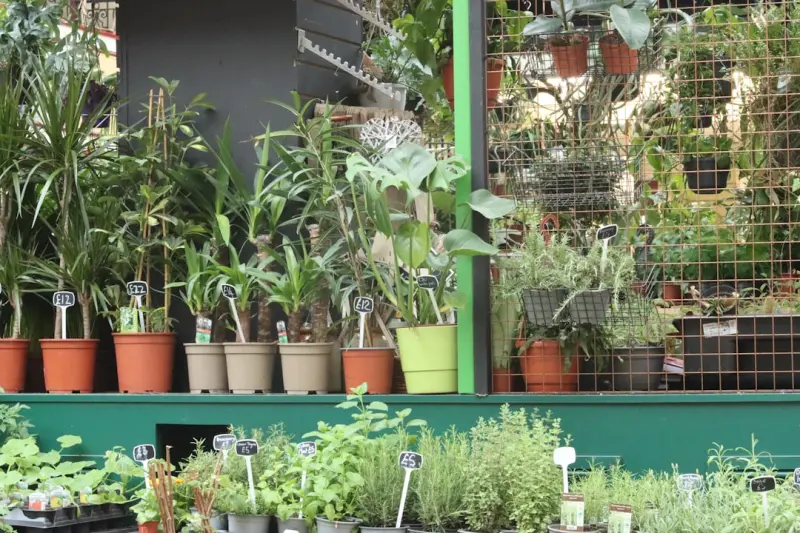
Harvesting Happiness: Turning Every Nook into a Year‑Round Herb Sanctuary
When I first slipped a tiny pot of basil onto my kitchen windowsill, I didn’t realize I was opening a door to endless culinary adventure and quiet mindfulness. That single sprig soon inspired me to map out a herb garden strategy that stretches from sunny balcony railings to shadowed corners of the living room, ensuring fresh flavor at my fingertips no matter the season. By treating each space as a micro‑ecosystem—matching light, moisture, and soil needs to the plant’s personality—I’ve learned that a well‑planned herb garden can become the heart of a home, inviting both cooking creativity and a soothing green presence.
Choosing the Right Herbs for Light‑Limited Interiors
Not every herb thrives under the filtered glow of an apartment window, so I start by profiling the light profile of each room and selecting companions accordingly. For low‑light zones, I favor hardy varieties like mint, parsley, and chervil, which tolerate indirect sun and can even flourish under fluorescent lighting. Conversely, bright, south‑facing windows are perfect for sun‑loving champions such as rosemary, thyme, and oregano, whose aromatic oils intensify with ample sunshine. By pairing herbs with complementary light requirements, I avoid the common disappointment of wilted leaves and instead nurture a resilient, thriving indoor garden.
Soil Secrets: Balancing Drainage and Nutrition
The foundation of any successful herb oasis lies in the soil mix, and I’ve discovered that a balanced blend of peat‑based potting mix, perlite, and a touch of compost creates the ideal environment for root health. The perlite ensures swift drainage, preventing soggy roots that can lead to disease, while the compost injects slow‑release nutrients that keep foliage lush without the need for frequent fertilizing. If you’re new to composting, a quick read on compost basics will demystify the process and empower you to recycle kitchen waste into garden gold.
Container Choices: From Rustic Clay to Modern Hydroponics
Containers are more than just vessels; they’re style statements that reflect your home’s aesthetic while influencing plant health. I love the rustic charm of terracotta pots for Mediterranean herbs, yet I also appreciate the sleek, self‑watering designs that reduce daily upkeep. For those with limited floor space, hanging glass globes or wall‑mounted pockets can turn a blank wall into a living herb tapestry, adding visual intrigue and easy access during meal prep. Whatever you choose, ensure each pot has drainage holes and consider adding a saucer to catch excess water, keeping your countertops dry and your herbs happy.
Integrating Herbs with Vertical Gardening Techniques
When floor space is at a premium, I turn to vertical solutions that multiply planting area without sacrificing style. A simple wooden pallet, equipped with landscape fabric and a drip irrigation line, can host a cascade of thyme, sage, and cilantro, creating a living wall that doubles as a decorative focal point. For inspiration on maximizing vertical potential, explore vertical garden ideas that blend function with form, turning narrow balconies into aromatic retreats.
Water Wisdom: Mastering the Art of Consistent Moisture
Herbs are surprisingly fickle about water; too much can drown them, while too little starves their aromatic glands. I adopt a “finger test” routine—pressing a finger into the top inch of soil—to gauge moisture levels, watering only when the soil feels dry to the touch. In drier climates, a gentle misting in the morning can boost humidity without overwatering, while a self‑watering pot with a reservoir ensures a steady supply during busy weeks. Consistency, rather than quantity, is the key to vibrant, flavorful foliage.
Seasonal Rotation: Keeping the Garden Fresh Year‑Round
Just as the seasons shift outside, my indoor herb garden cycles through planting, harvesting, and renewing phases to maintain vigor and flavor intensity. In spring, I introduce fast‑growing varieties like dill and cilantro, which reach peak aroma in weeks, while summer calls for robust rosemary and lemon balm that can tolerate heat. Autumn is the perfect time to prune and divide perennials, feeding them back into the soil, and winter encourages the use of grow lights to sustain light‑loving herbs. This rhythmic rotation not only prevents overcrowding but also ensures a continuous supply of fresh herbs for cooking.
Harvesting with Care: Maximizing Flavor and Plant Longevity
Harvest technique is an art; snipping stems just above a leaf node encourages new growth while preserving the plant’s energy reserves. I use clean, sharp scissors to make precise cuts, avoiding bruising that could invite disease. For bushy herbs like basil, I practice “pinching” the tops, which promotes a fuller, more compact plant and delays bolting—a common issue when plants flower prematurely and lose flavor. By harvesting regularly, I keep the garden productive and my dishes bursting with genuine, garden‑fresh zest.
Creating a Sensory Kitchen: Pairing Herbs with Design Elements
Beyond flavor, herbs contribute scent, texture, and color to a home’s sensory palette. I arrange bright orange marigolds alongside oregano to attract beneficial insects, while a small herb wreath of lavender and rosemary hangs above the pantry door, offering a calming aroma that greets guests. Integrating herb jars into open shelving not only showcases their verdant beauty but also provides an at‑hand spice source for spontaneous cooking. When design and horticulture intertwine, the kitchen transforms from a functional space into a living, breathing culinary studio.

When it comes to the world of blogging and writing, Rose DesRochers is a name that stands out. Her passion for creating quality content and connecting with her audience has made her a trusted voice in the industry. Aside from her skills as a writer and blogger, Rose is also known for her compassionate nature.
Related Posts
Edible Landscape Design: Turning Your Yard into a Food Forest
Learn how to transform your backyard into a productive food forest using layered planting, soil heal... Read More
The Secret Life of Soil: DIY Amendments for a Thriving Garden
Discover practical, step‑by‑step methods to transform ordinary dirt into a vibrant, living found... Read More

Front Porch Revival: Light, Color, and Function for Every Season
A step‑by‑step guide to turning your front porch into a welcoming, functional space using light,... Read More
Top Posts

When AI Becomes Your Co‑Creator: Rethinking Human‑Machine Collaboration
Discover why treating AI as a collaborative partner—rather than just a tool—boosts creativity, builds trust, and safeguards ethics, offering a fresh roadmap...Read More

Emotional Hygiene: A Daily Practice for Sustainable Mental Well‑Being
Discover a step‑by‑step emotional hygiene system—micro‑reflection, boundary architecture, and sensory reset—to protect mental health and enhance produ...Read More

Microadventures: How Tiny Escapes Transform Everyday Life
Explore the power of microadventures: short, intentional outings that refresh your mind, connect you with locals, and leave a light environmental footprint....Read More

From Garden Soil to Office Success: Rose DesRochers Redefines Home & Garden Living
Rose DesRochers shares her journey of turning a garden desk into a thriving, eco‑friendly office, revealing productivity boosts, design secrets, and community...Read More
0 Comments
Post Comment
You will need to Login or Register to comment on this post!