

When the calendar fills with meetings, deadlines, and the endless scroll of notifications, the idea of a grand overseas expedition can feel like a distant fantasy. Yet the antidote doesn’t have to involve a passport stamp or a multi‑day trek; it lives in the concept of a microadventure—a deliberately crafted, bite‑sized escape that fits into a single day or even a few hours. I discovered this habit during a restless summer in the Pacific Northwest, when a spontaneous sunrise hike to a hidden waterfall reminded me that wonder doesn’t require weeks away, just the willingness to treat a weekend afternoon as a story worth telling. Since then, I’ve turned grocery‑store parking lots into launch pads, and ordinary suburbs into gateways for discovery, proving that the world’s richness can be sampled without packing a suitcase.
The Magnetic Pull of Tiny Escapes
Our modern lives are riddled with cognitive overload, and the brain craves periodic resets to prevent burnout. A microadventure supplies that reset by breaking the monotony with novel stimuli—new sights, sounds, and textures that jolt our neural pathways back into a state of curiosity. Research shows that even short bursts of novelty can elevate dopamine, sharpening focus and reigniting creativity, a fact I’ve felt firsthand after a brisk paddle‑boarding session on a misty lake just outside town. The key is not the distance traveled, but the intentional shift from routine to the unknown; when you step off the familiar pavement and onto a trail you’ve never trod, you give your mind permission to wander, to explore possibilities that otherwise stay dormant behind the office desk.
Designing the Perfect One‑Day Getaway
Effective microadventures begin with a simple planning framework: choose a destination within a two‑hour radius, set a clear start and end time, and identify one core activity that excites you. I rely on a handwritten map spread across my kitchen table, marking circles around nearby rivers, historic districts, and forest preserves, then cross‑referencing them with the weather forecast to ensure the day’s conditions align with my chosen pursuit. By limiting the scope, you avoid analysis paralysis and keep the experience manageable; for instance, a sunrise photography session at a local hilltop can be paired with a mid‑day picnic at a nearby farmers’ market, creating a seamless narrative that feels both purposeful and relaxed. This intentional brevity also forces you to prioritize, turning a vague “I want to explore” into a concrete agenda that fuels excitement from the moment you leave the front door.
Gear Minimalism: Packing Light, Living Free
The beauty of a microadventure lies in its resistance to bulk; the less you carry, the more you notice. I’ve distilled my day‑trip kit to five essentials: a water‑proof daypack, a reusable water bottle, a versatile layer of clothing, a compact first‑aid kit, and a smartphone with offline maps. Each item serves multiple functions—a rain jacket doubles as a picnic blanket, a small notebook becomes both a journal and a sketch pad, and the same water bottle can hold a cold brew or a hot tea, depending on the climate. By committing to this streamlined loadout, you eliminate the mental clutter of over‑packing and free up physical space for spontaneous discoveries, like a freshly baked pastry from a roadside bakery or a stray kitten that decides to accompany you for a few minutes. The resulting sense of lightness often translates into a more relaxed mindset, allowing you to fully engage with the environment rather than constantly checking your gear.
Connecting with Locals in a Few Hours
One of the most rewarding aspects of a microadventure is the opportunity to forge brief yet meaningful connections with the people who inhabit the space you’re temporarily exploring. I make it a habit to stop at a neighborhood coffee shop, order a locally sourced drink, and strike up conversation with the barista about the best walking routes nearby; these interactions often unveil hidden gems that guidebooks overlook. Similarly, a quick visit to a community garden can lead to a chat with a seasoned horticulturist who shares the story of a century‑old oak tree that dominates the park’s skyline. By approaching strangers with genuine curiosity and a smile, you create a ripple effect of goodwill that enriches both your experience and the local vibe. For those interested in blending purpose with pleasure, see my earlier piece on purposeful travel, which explores how brief volunteer moments can deepen those connections.
Mental Health Benefits of a Day‑Long Reset
Beyond the immediate thrill of new scenery, microadventures act as powerful mental health tools, offering a structured break that lowers cortisol levels and restores emotional equilibrium. The act of stepping outside the office environment, breathing fresh air, and engaging in light physical activity triggers the body’s parasympathetic response, promoting relaxation without the lethargy of a sedentary weekend. I’ve found that a solitary walk along a coastal trail, paired with a few mindful breaths, can reset my stress baseline better than any meditation app. This aligns with findings from breathwork studies, which suggest that even brief, intentional breathing exercises can enhance focus and reduce anxiety, a concept I explored in depth in a separate article about everyday vitality. The takeaway is simple: a well‑planned microadventure provides a natural, low‑cost therapy session that can be repeated as often as your schedule permits.
Capturing the Moment Without the Hassle
While it’s tempting to bring a full‑size camera on every outing, the most authentic memories often emerge from spontaneous, unfiltered moments captured on a phone. I rely on my device’s portrait mode to isolate subjects against a blurred background, and I keep a tiny notebook tucked in my pocket for quick sketches or sensory notes that a photo can’t convey. This hybrid approach—visual and written—creates a richer tapestry of recollection, allowing you to revisit not just what you saw, but what you felt. For travelers who love flavor as much as scenery, I recommend pairing your visual log with a brief tasting note, an idea expanded in my feature on culinary discoveries. By keeping documentation simple, you avoid the burden of heavy equipment and stay present in the experience, which is precisely the point of a microadventure.
Eco‑Friendly Exploration: Leaving a Light Footprint
Because microadventures are inherently local and short‑duration, they naturally produce a smaller carbon footprint than traditional vacations that involve long flights and hotel stays. Still, intentional choices amplify that benefit: opting for public transit or a bike instead of a car, packing reusable utensils, and respecting wildlife habitats all contribute to a greener travel ethic. I make a point to leave no trace by carrying a small bag for litter and by supporting local businesses that prioritize sustainability, such as farm‑to‑table eateries that source ingredients within a 50‑mile radius. These small actions compound, creating a ripple effect that encourages other community members to adopt similar practices. Moreover, the reduced environmental impact often translates into a deeper sense of responsibility, reinforcing the idea that you can explore the world responsibly without sacrificing the joy of discovery.
Weaving Microadventures Into Your Routine
To reap the full benefits, microadventures should become a regular cadence rather than a sporadic indulgence. I schedule them like any other appointment, blocking out a Saturday morning or a weekday evening on my calendar months in advance, which removes the excuse of “no time.” Over time, the habit cultivates a mindset that views the world as a series of opportunities waiting just beyond the next corner, shifting your default mode from passive consumption to active exploration. The consistency also builds confidence; each successful outing reinforces the belief that you can step out of comfort zones with minimal preparation, making larger trips feel less daunting in the future. In the end, these tiny escapes stitch together a larger tapestry of personal growth, proving that the most profound journeys often begin with a single, intentional step.

David Moore is a freelance writer specializing in two dynamic and ever-evolving fields: gambling and the tech industry. With a keen eye for detail and a knack for unraveling complex topics, David delivers insightful and engaging content that keeps readers informed and entertained.
Related Posts
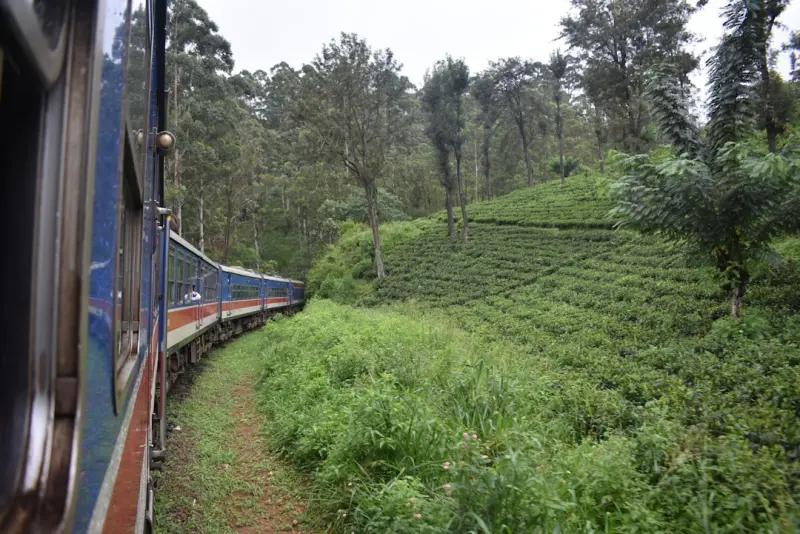
Chasing the Uncharted Railway: A Journey Through Forgotten Tracks
A traveler uncovers the charm of obscure train lines, sharing stories of spontaneous connections, hi... Read More

Travel’s Secret Weapon: The Power of Soundtrack
A traveler’s playlist can become the most potent tool on a journey. Learn why sound matters, how t... Read More
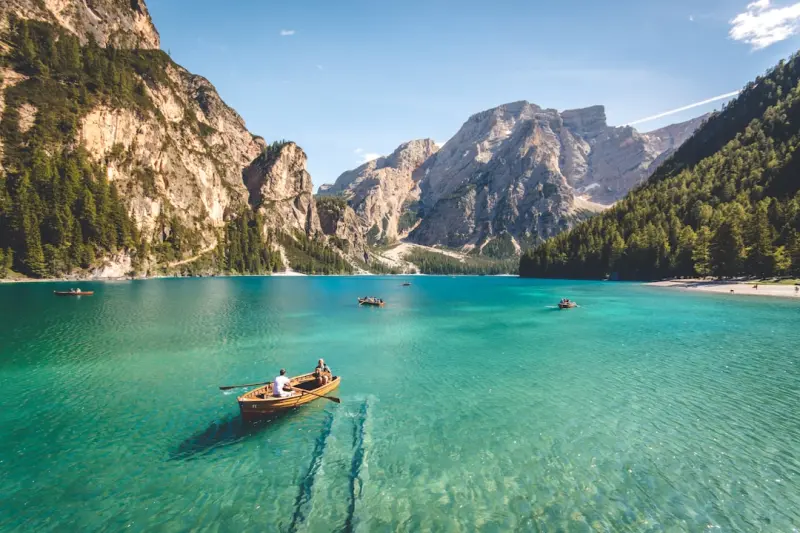
When the Airport Becomes a Playground: Harnessing Unexpected Transit Moments for Personal Growth
Discover how embracing the unexpected moments in airports can transform idle layovers into powerful ... Read More
Top Posts

Sync Your Personal Care Routine with Your Body’s Clock for Radiant Results
Learn to sync your daily personal care steps with your body’s natural clock, leveraging science-backed timing for clearer skin, stronger hair, and enhanced vi...Read More

The Internal Talent Marketplace: Unlocking Agility and Growth
An internal talent marketplace turns static job roles into a dynamic skill economy, enabling faster project staffing, higher employee engagement, and greater or...Read More
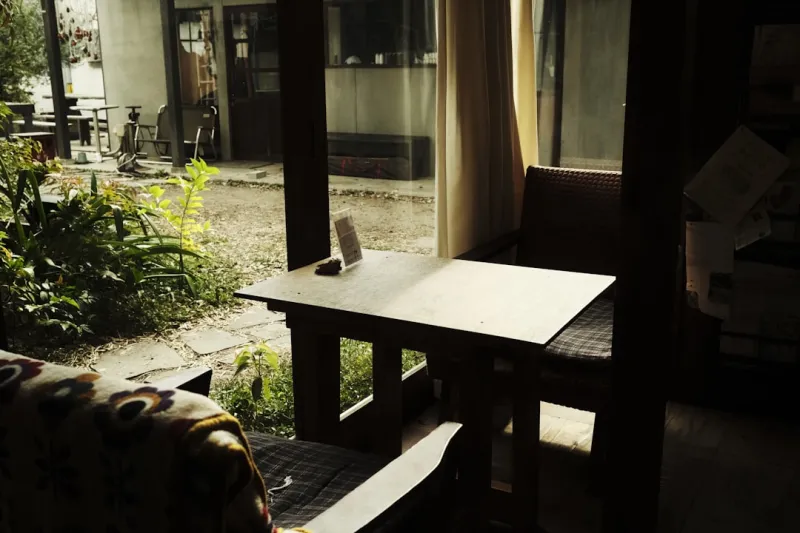
Why My Garden Desk Is the Future of Employment
Explore the rise of garden desks, the mental health benefits of outdoor workspaces, and why employers are turning backyards into productivity oases....Read More

AI‑Enhanced Knowledge Management: Turning Data Silos into Strategic Assets
Learn how generative AI can convert fragmented information into a dynamic, contextual knowledge hub, reducing friction and driving growth for SaaS teams....Read More
0 Comments
Post Comment
You will need to Login or Register to comment on this post!