
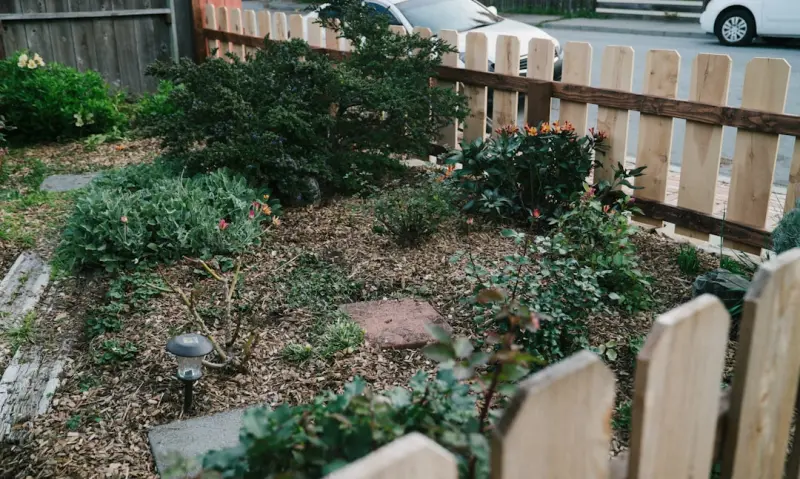
Why an Edible Landscape Might Be the Best Upgrade Your Home Needs
When I first stepped onto my own backyard, I saw a patchwork of lawn, a few ornamental shrubs, and a neglected corner that begged for attention. Like many homeowners, I loved the look of a tidy lawn but felt a growing itch to make the space do more than just please the eye. The answer, I discovered, wasn’t a new patio or a fancier fence—it was an edible landscape. By weaving fruit‑bearing trees, perennial vegetables, and nitrogen‑fixing companions into a single, harmonious design, you transform a decorative garden into a living pantry that feeds the body, soothes the mind, and supports the soil.
The Core Philosophy: Food Forests Meet Traditional Landscaping
A food forest is inspired by natural woodland ecosystems. Instead of planting a single row of tomatoes that demand annual replanting, you layer plants by height, root depth, and seasonal yield. The canopy layer might be a dwarf apple tree, the understory a collection of berries, the shrub layer a host of currants, the herbaceous layer a mix of kale and comfrey, and the groundcover a blanket of strawberries. Each layer contributes to biodiversity, pest control, and nutrient cycling. The result is a self‑sustaining garden that requires less water, fewer chemicals, and less labor once established.
Step One: Assess Your Site Like a Designer, Not a Gardener
Before you rush to the nursery, take a forensic look at your yard. Map out sunlight patterns (sunny, partial, shade), note wind directions, and identify soil texture. Are there existing trees that can become part of the canopy? Is your soil heavy clay or sandy loam? A simple soil test kit can reveal pH and nutrient levels, informing which species will thrive without heavy amendment. This analytical approach mirrors the precision you’d find in a home comfort audit, but applied to the outdoors.
Step Two: Choose the Right Species for Your Climate and Goals
Not every fruit tree or perennial works everywhere. Look for hardy, low‑maintenance varieties that suit your USDA hardiness zone. Dwarf citrus, for example, may flourish in a mild coastal climate but struggle inland where winters dip below freezing. Pair fruit trees with companion plants that provide nitrogen (like clover or lupines) or act as pest deterrents (such as garlic or marigold). If you crave a year‑round harvest, stagger planting dates and select species with varying ripening times. Remember, the goal isn’t to cram every edible you love into one spot—balance and diversity are key.
Step Three: Layer, Mulch, and Build Soil Life
The magic of a food forest lies in its layers. Start with your canopy—dwarf fruit trees or nut trees—planted on the sunniest side. Underneath, position shrubs that produce berries, then herbaceous perennials that fill the mid‑level, and finally groundcovers that suppress weeds and retain moisture. After planting, apply a generous mulch of wood chips, straw, or leaf litter. Mulch not only conserves water but also feeds the soil microbiome, encouraging earthworms and beneficial fungi. Over time, the mulch breaks down, enriching the soil in a virtuous cycle.
Step Four: Embrace the “Permaculture” Mindset of Observation and Adaptation
Permaculture isn’t a rigid set of rules; it’s a mindset that values observation, feedback, and iterative design. Spend time in your garden each week, noting which plants flourish, which struggle, and how wildlife interacts with your space. If a particular herb seems to attract beneficial insects, consider expanding its footprint. If a fruit tree’s fruit is consistently over‑ripe before you can harvest, try a lower‑maintenance variety or adjust pruning techniques. This continuous loop of observation and adjustment mirrors the learning curve of indoor mushroom cultivation, where you fine‑tune humidity and substrate for optimal yields.
Step Five: Harvest for Health—Beyond the Plate
Eating home‑grown food is the obvious benefit, but an edible landscape also offers therapeutic harvest rituals. Pulling a ripe apple from a low‑branch tree can be a mindful pause in a busy day. Tending to a perennial kale patch reminds you of seasonal cycles. Moreover, the diversity of flavors—sweet, tart, earthy, bitter—encourages culinary creativity, nudging you toward whole‑food meals that boost nutrition. Studies show that regular interaction with garden produce improves diet quality and reduces stress, turning your yard into a personal wellness hub.
Integrating Technology Without Losing the Soul
While the essence of an edible landscape is low‑tech, a few smart tools can streamline maintenance. Soil moisture sensors linked to a simple irrigation controller can ensure deep watering only when needed, conserving water and preventing root rot. A weather‑linked timer can adjust watering schedules automatically, keeping the garden resilient during unexpected droughts. However, the goal is to let nature do the heavy lifting—technology should support, not dominate, the garden’s natural rhythms.
Budget-Friendly Strategies: Start Small, Grow Big
You don’t need a massive budget to begin. Start with a single “food forest corner” in a modest space—perhaps a 10‑by‑10‑foot plot beside your patio. Use inexpensive, nursery‑grown seedlings rather than mature trees. Recycle compost from kitchen scraps to enrich the soil, and gather mulch from local tree‑trimming services. As the corner matures, expand outward, replicating successful layers. Over time, the initial modest investment compounds into a sprawling, productive ecosystem that adds both monetary and ecological value to your property.
Community Connections: Share the Bounty and Knowledge
One of the most rewarding aspects of an edible landscape is the ability to share harvests with neighbors, friends, and local food banks. Consider hosting a “pick‑your‑own” day where community members can select fresh produce directly from the garden. This not only builds social capital but also spreads awareness of sustainable gardening practices. You might even start a small workshop series teaching others how to design their own food forests, turning your personal project into a catalyst for broader ecological impact.
Common Pitfalls and How to Avoid Them
- Over‑planting the canopy too early: Young trees need space and light; give them room before adding lower layers.
- Ignoring soil health: Skipping the soil test can lead to nutrient imbalances that stunt growth.
- Choosing high‑maintenance varieties: Opt for native or well‑adapted species to reduce labor and chemical inputs.
- Neglecting mulching: Without mulch, soil moisture evaporates quickly, and weeds compete aggressively.
Looking Ahead: The Future of Home Food Systems
As climate uncertainty rises, homeowners are increasingly looking to local, resilient food sources. An edible landscape is a powerful response—providing fresh, nutrient‑dense food while sequestering carbon and supporting pollinators. Imagine neighborhoods where every yard contributes to a decentralized food network, reducing reliance on distant supply chains. By planting today, you’re not just improving your own meals; you’re sowing the seeds for a more sustainable, food‑secure future.
Ready to Begin? Your First Planting Checklist
Use this quick list to kick off your edible landscape journey:
- Map sunlight zones and wind exposure.
- Conduct a soil test; amend based on results.
- Select 1–2 dwarf fruit trees suited to your zone.
- Choose 3–5 berry or shrub species for the understory.
- Pick perennial herbs and vegetables for the herbaceous layer.
- Gather or purchase organic mulch (2–4 inches deep).
- Install a simple rain sensor or moisture gauge.
- Schedule weekly observation walks to note growth patterns.
With these steps, you’re on the path to turning a simple yard into a thriving, edible oasis. The rewards—fresh produce, reduced grocery bills, a deeper connection to nature—are waiting just beyond the first planting line.

Robert Mathews is a professional content marketer and freelancer for many SEO agencies. In his spare time he likes to play video games, get outdoors and enjoy time with his family and friends .
Related Posts

Turn Your Backyard into a Garden Desk Oasis
Learn to transform your backyard into a productive garden desk oasis with practical design tips, pla... Read More
From Cubicle to Garden: How an Outdoor Desk Transformed My Home Life
A personal journey from office cubicle to garden desk reveals how outdoor workspaces can boost welln... Read More

Unlocking the Hidden Potential of Your Attic: From Clutter to Chic
Discover how to turn an underused attic into a stunning, functional space—whether a home office, r... Read More
Top Posts

Playful Mindscapes: Structured Daydreaming as a Mental‑Health Superpower
Structured daydreaming transforms idle mind‑wandering into a purposeful practice that fuels creativity, lowers anxiety, and improves focus—offering a simple...Read More

Turning Your Day Job into a Launchpad for Side Hustle Success
Learn how to balance a full‑time role with a thriving side hustle, using practical time‑management tricks, skill‑stacking tactics, and the right network t...Read More

Crafting a Low‑Maintenance Xeriscape Oasis for Busy Homeowners
Transform your yard into a low‑maintenance xeriscape oasis that saves water, reduces upkeep, and stays stunning year‑round. Perfect for busy homeowners seek...Read More

Let the Sun In: Reclaiming Natural Light for a Healthier Workday
A deep dive into how natural light and seasonal rhythms can transform your workday, boost mental and physical health, and create a thriving, light‑filled work...Read More
0 Comments
Post Comment
You will need to Login or Register to comment on this post!