

When I first moved into my modest suburban home, I dreamed of a backyard that could feed my family, soothe my mind, and look good enough to brag about at neighborhood gatherings. Over the years, that dream evolved into a living, breathing experiment—a year‑round edible oasis that blends the joy of gardening with the practicality of home cooking. If you’ve ever felt the pull of fresh herbs from the window sill, the thrill of plucking a ripe tomato at sunset, or the quiet satisfaction of compost turning kitchen scraps into black gold, you’ll understand why I’m so passionate about turning ordinary yards into food‑first sanctuaries.
The Why: Food, Wellness, and Resilience
In an era where grocery aisles feel like warehouses and our plates are often dominated by processed ingredients, growing your own food is a radical act of self‑reliance. It’s not just about the taste of sun‑kissed strawberries or the aroma of basil fresh from the plant; it’s about building a resilient micro‑ecosystem that feeds body and soul.
- Nutrition on demand – Fresh produce harvested at peak ripeness retains more vitamins, antioxidants, and flavor than anything you’ll find in a supermarket.
- Stress reduction – Studies show that tending to plants lowers cortisol levels, offering a natural antidote to modern anxiety.
- Environmental impact – A home garden reduces food miles, cuts packaging waste, and can even improve local biodiversity.
All of these benefits converge in one simple premise: a backyard that’s as productive as it is beautiful.
Getting Started: Assess, Plan, and Prioritize
Before you rush out for seedlings, take a moment to assess your space. Every garden is unique—sun exposure, soil composition, wind patterns, and micro‑climates dictate what will thrive.
- Sun map – Over a typical week, note which patches receive full sun (6+ hours), partial shade, or full shade. Most vegetables crave at least five hours of direct sunlight.
- Soil test – A simple pH test kit will reveal whether your soil is acidic, neutral, or alkaline. Amend with compost, lime, or sulfur as needed.
- Water source – Identify a reliable water supply. If you’re aiming for sustainability, consider rain barrels or a drip‑irrigation system.
Once you have this data, sketch a rough layout. Think in layers: tall trellised vines, mid‑height fruiting plants, and low‑lying herbs and greens. This vertical approach maximizes space and creates a visually appealing tiered garden.
Choosing the Right Crops for Every Season
The secret to a truly year‑round edible garden is selecting plants that flourish across seasons, either in the open or under protective structures.
Spring & Summer Heroes
- Tomatoes – Choose determinate (bushy) varieties for container growing and indeterminate for trellised rows.
- Sweet corn – Plant in blocks rather than rows to improve pollination.
- Herbs – Basil, cilantro, and dill love the heat and can be harvested continuously.
Fall & Winter Survivors
- Kale – Its flavor sweetens after a light frost.
- Brussels sprouts – Plant early summer; they’ll be ready for harvest in late fall.
- Root vegetables – Carrots, parsnips, and turnips can be left in the ground under a mulch blanket.
Perennial Powerhouses
Perennials provide a reliable backbone, returning each year with minimal effort.
- Raspberries – Both summer‑bearing and ever‑bearing varieties give you two harvest windows.
- Asparagus – After a two‑year establishment period, you’ll enjoy spears for decades.
- Herbaceous perennials – Rosemary, thyme, and oregano are evergreen in milder climates.
Design Tricks for Continuous Harvest
To keep your kitchen stocked without a gap, employ a few strategic design principles.
Staggered Planting
Instead of sowing all seedlings at once, plant a new batch every two weeks. This “relay planting” ensures that as one crop finishes, another is just getting started.
Succession Cropping
Rotate fast‑growing greens (like radishes and lettuce) with slower crops (such as beans). When you harvest the greens, you can immediately sow beans into the same space.
Vertical Gardening
Use trellises, arbors, and even repurposed pallets to grow vining crops vertically. This not only saves ground space but also improves air circulation, reducing disease pressure.
Season‑Extending Structures
Invest in a simple cold frame or a hoop house. These structures trap solar heat, allowing you to start seedlings earlier in spring and keep tender greens alive into winter. For those seeking a low‑tech solution, a row cover made from garden fleece does wonders.
Integrating Edible Plants with Aesthetic Appeal
One common misconception is that a productive garden looks chaotic. On the contrary, thoughtful design can make your edible oasis a visual centerpiece.
- Color harmony – Pair purple basil with deep‑green kale and bright orange carrots for a striking palette.
- Texture contrast – Mix feathery herbs like dill with the glossy leaves of basil.
- Seasonal art – Plant annual flowers such as marigolds or nasturtiums. They repel pests, attract pollinators, and add splashes of color.
When you step back, your garden should feel like an outdoor kitchen—functional, fresh, and inviting.
Smart Practices That Blend Tech and Tradition
While my garden thrives on low‑tech methods, I can’t ignore the benefits of modern tools. If you’re curious about integrating tech without turning your garden into a sci‑fi set, start small.
- Soil moisture sensors – These inexpensive probes send alerts to your phone, preventing over‑watering.
- Automated drip timers – Pair with rain barrels for a water‑wise system that delivers precise amounts.
- Compost thermometers – Keep your compost hot enough to break down quickly, turning kitchen waste into fertile humus faster.
For a deeper dive into how technology can enhance outdoor spaces, check out Illuminating Your Garden: The Power of Smart Outdoor Lighting. Though it focuses on lighting, the article illustrates how a modest tech upgrade can transform ambience and usability after dark.
Composting: Turning Kitchen Scraps into Garden Gold
Compost is the heart of any thriving edible garden. It improves soil structure, boosts microbial activity, and reduces waste. Here’s a quick recipe for a balanced compost pile:
- Browns – Dry leaves, shredded newspaper, or cardboard provide carbon.
- Greens – Fruit peels, coffee grounds, and fresh grass clippings add nitrogen.
- Moisture – Keep the mix damp but not soggy; a simple squeeze test will tell you if it’s right.
Turn the pile every two weeks to introduce oxygen, and in a few months you’ll have dark, crumbly compost ready to enrich your beds.
Harvesting, Storing, and Using Your Bounty
Knowing how to store what you grow is as crucial as growing it. Below are some tried‑and‑true methods:
- Cool, dark storage – Root vegetables last longest in a cellar or basement bin with sand.
- Freezing herbs – Chop, pack in ice‑cube trays with water or olive oil, then freeze for year‑round use.
- Fermentation – Turn excess cabbage into sauerkraut, or carrots into lacto‑fermented snacks.
When you bring the harvest into the kitchen, you’ll notice a shift in cooking habits. Fresh greens replace packaged salads; home‑grown tomatoes become the base for sauces that taste nothing like store‑bought versions.
Community and Knowledge Sharing
One of the most rewarding aspects of an edible garden is the community it creates. Invite neighbors over for a “share‑and‑swap” day, exchange seed packets, or host a mini‑workshop on composting. If you’re looking for inspiration on how to structure such gatherings, the article Employee Innovation Labs: Turning Frontline Insight into Business Growth offers a framework for turning informal knowledge sharing into measurable outcomes—apply the same principles to garden clubs.
Overcoming Common Challenges
Even the most seasoned gardeners face obstacles. Here are solutions to the most frequent hiccups:
Pests Without Pesticides
Introduce beneficial insects like ladybugs and lacewings, or plant companion crops such as marigolds that deter aphids. Hand‑picking larger pests early in the morning prevents damage.
Seasonal Gaps
If your region has a long, harsh winter, consider a cold frame or a small greenhouse to extend the growing season. Even a simple PVC hoop covered with clear plastic can keep lettuce alive for weeks longer.
Soil Depletion
Rotate families of crops (nightshades, brassicas, legumes) to avoid nutrient exhaustion. Regularly incorporate compost and, where appropriate, a light application of organic fertilizer.
Measuring Success: Beyond Yield
While a bumper harvest feels rewarding, the true measure of success lies in the intangible benefits:
- Family involvement – Children who help plant seeds develop lifelong appreciation for food sources.
- Reduced grocery bills – A mature garden can slash your produce spend by 30‑40%.
- Environmental footprint – Less reliance on transported food cuts carbon emissions.
Keep a simple garden journal noting planting dates, yields, and observations. Over time you’ll see patterns, improve your techniques, and deepen your connection to the land.
Final Thoughts: A Garden That Grows With You
Creating a year‑round edible oasis isn’t about perfection; it’s about intention. Each seed you sow is a small promise to yourself, your family, and the planet. As the seasons cycle, so will your garden, offering fresh flavors, calming rituals, and a tangible reminder that growth—both botanical and personal—is always possible.
Ready to get your hands dirty? Grab a trowel, sketch that layout, and start planting the future of your meals today.

David Moore is a freelance writer specializing in two dynamic and ever-evolving fields: gambling and the tech industry. With a keen eye for detail and a knack for unraveling complex topics, David delivers insightful and engaging content that keeps readers informed and entertained.
Related Posts

Design a Sensory Garden that Engages All Five Senses
A sensory garden combines sight, scent, sound, touch, and taste to create a therapeutic outdoor spac... Read More
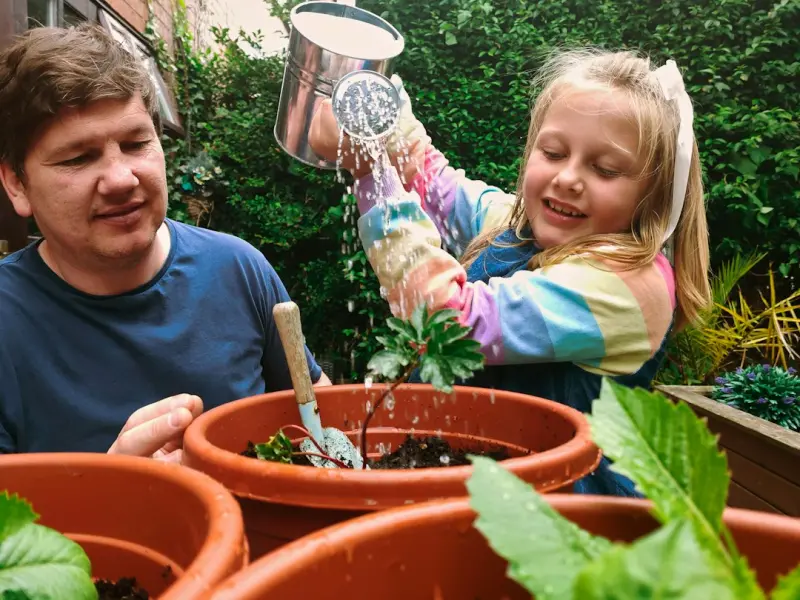
Crafting a Multi‑Sensory Garden Sanctuary for Everyday Calm
Discover the step‑by‑step process of turning any outdoor space into a multi‑sensory garden ret... Read More

Designing a Pet‑Friendly Garden Oasis for Fun and Safety
Learn how to craft a pet‑friendly garden oasis that blends safety, style, and sustainability, offe... Read More
Top Posts

The Hidden Engine of Sustainable Employment: Building Psychological Safety
Psychological safety isn’t a perk; it’s the foundation for sustainable employment. This post reveals why safe environments boost retention, innovation, and ...Read More
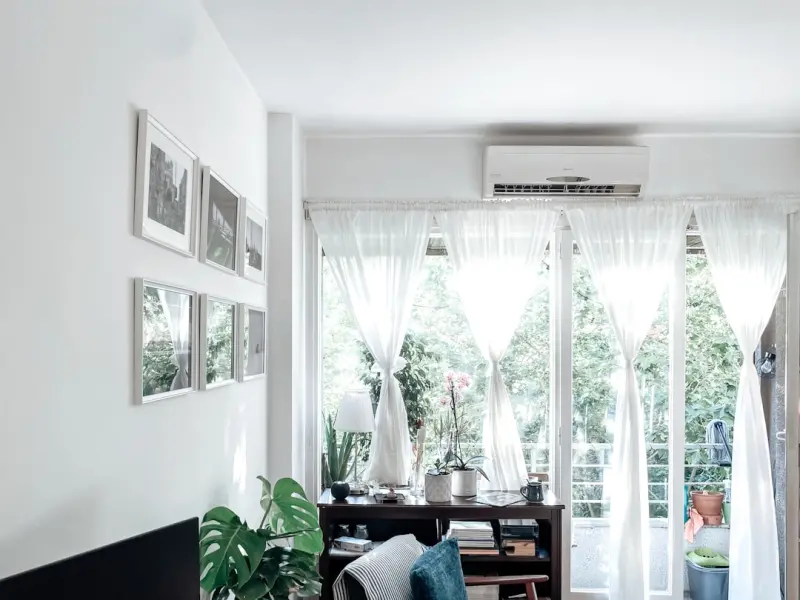
How to Build Micro‑Climate Zones in Every Room for Comfort and Savings
Discover practical steps to turn each room into its own comfort zone—using plants, strategic airflow, and affordable smart devices—to boost wellbeing and cu...Read More

The Innovation Sabbatical: Turning Career Breaks into Competitive Edge
A deep dive into why intentional career breaks are becoming a vital tool for both employees and employers to foster innovation and long‑term success....Read More

When AI Becomes Your Quiet Partner in Decision‑Making
Discover how a low‑key AI partner can surface blind spots, simulate outcomes, and amplify human judgment, turning data into confident decisions across finance...Read More
0 Comments
Post Comment
You will need to Login or Register to comment on this post!