
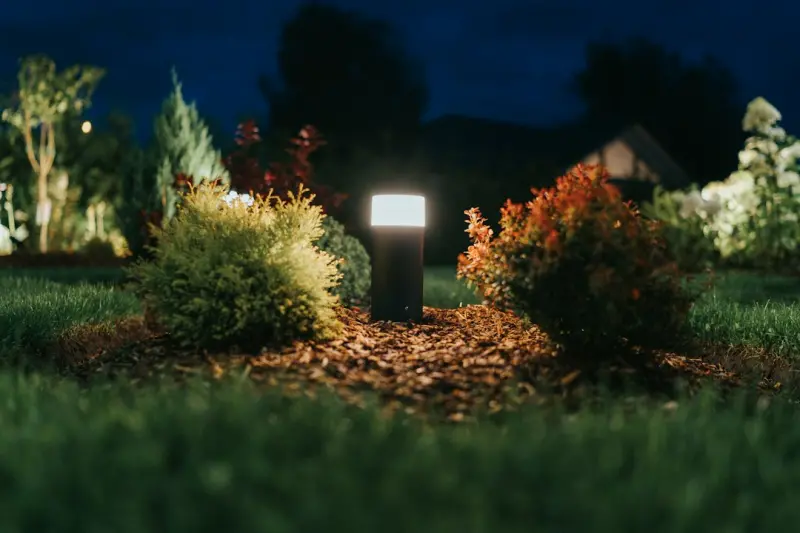
Turning Twilight into a Canvas: Smart Outdoor Lighting for a Magical Garden
When I first stepped onto my modest back‑yard after sunset, the world felt hushed, the air cooler, and the ordinary garden beds took on an almost mystical quality. That moment sparked a lifelong obsession: learning how to paint the night with light. Over the years I’ve experimented with everything from vintage lanterns to high‑tech LED strips, and I’ve discovered that the right illumination does more than just chase away the dark—it reshapes the way we experience our outdoor sanctuaries.
Why Light Matters More Than You Think
We often think of garden lighting as a practical afterthought—something you add to avoid tripping over a rock or to keep the porch light on for safety. Yet light is a designer’s tool, a storyteller, and an emotional catalyst. It can highlight the texture of a stone pathway, draw attention to a water feature, or create intimate zones for conversation. By treating illumination as an integral part of your landscape design, you unlock the potential to extend your living space well beyond daylight hours.
Start with the Big Picture: Mapping Light Zones
Before you purchase any fixtures, take a walk around your garden after dusk and imagine how you want to move through it. Do you crave a bright, welcoming patio for dinner parties? Or perhaps a soft, moon‑lit pathway that guides you to a quiet reading nook? Sketch a simple floor plan and assign each area a lighting goal:
- Task zones – where you need clear, functional light (e.g., grill area, garden beds for evening pruning).
- Accent zones – where you want to highlight focal points (statues, flowering plants, water fountains).
- Ambient zones – low‑level lighting that creates mood and defines space (seating areas, fire pits).
This zoning approach prevents the “one‑size‑fits‑all” mistake of flooding the entire yard with the same brightness, and it sets the stage for a harmonious lighting narrative.
The Tech Toolbox: From LEDs to Solar Panels
Modern lighting technology offers an impressive palette of options. Here are my top three tools for a versatile garden lighting system:
- Smart LEDs – Color‑changing bulbs and strips can be programmed via an app to shift hues with the seasons or sync with music. They’re energy‑efficient and often come with dimming capabilities.
- Solar‑powered fixtures – For a low‑maintenance, eco‑friendly solution, solar lights charge by day and glow at night. Choose models with built‑in motion sensors for added security.
- Low‑voltage transformers – If you’re wiring multiple fixtures, a low‑voltage system (12V or 24V) reduces the risk of electrical hazards and makes it easier to add or relocate lights later.
Mixing these technologies allows you to balance aesthetics, sustainability, and budget.
Layering Light: The Three‑Tier Technique
Think of your garden as a stage. A compelling performance relies on three layers of lighting, each serving a distinct purpose:
- Ambient lighting creates overall illumination. String lights draped over pergolas or recessed ground‑level LEDs provide a gentle wash.
- Task lighting offers focused brightness for activities. Adjustable spotlights over a grilling station or under‑cabinet LEDs for a garden kitchen make evening cooking a breeze.
- Accent lighting draws the eye. Spotlights aimed at a mature oak, uplighting for a vertical garden, or water‑feature LEDs that change color with water flow add drama.
By layering these tiers, you avoid the flat, “floodlight” look that many homeowners dread.
Smart Controls: Bringing Your Garden to Life
One of the most exciting developments in outdoor lighting is the ability to automate and personalize settings. With a smart hub, you can:
- Schedule lights to turn on at sunset and dim gradually as the night deepens.
- Sync color changes with holiday themes—think warm amber for autumn, cool blues for winter, and vibrant pastels for spring.
- Use motion sensors to activate pathway lights only when someone is walking, conserving energy while adding a touch of theater.
If you’re new to smart home ecosystems, start with a single Wi‑Fi‑enabled LED strip and an intuitive app. As you grow comfortable, expand to a full suite of fixtures controlled by voice assistants like Alexa or Google Assistant.
Design Inspiration: Real‑World Examples
Below are three garden scenarios that illustrate how the principles above can be applied.
1. The Intimate Alfresco Dining Room
Picture a rectangular patio with a weather‑proof dining table. I installed a soft, warm LED rope light along the ceiling of the pergola, creating an overhead glow reminiscent of a sunset. Flanking the table are low‑profile ground spotlights that highlight the surrounding herb planters, while invisible strip LEDs under the railing provide a subtle glow that guides guests without overwhelming conversation.
2. The Enchanted Pathway
For a meandering stone path that leads to a secret bench, I used solar‑powered in‑ground lights set at a low angle to mimic moonlight. Intermittent uplights on tall grasses add a whisper of movement when the wind stirs, and a small water feature near the bench is illuminated with a color‑changing LED that pulses slowly, creating a soothing rhythm.
3. The Modern Garden Kitchen
When I transformed a corner of my garden into an outdoor kitchen, task lighting became paramount. I mounted adjustable LED floodlights above the prep station, each with a dimming function for different cooking stages. Overhead, a series of smart pendant lights can be set to a bright white for dinner service or a soft amber for late‑night snacks. The whole area is linked to a single app, allowing me to switch scenes with a tap.
Maintenance Tips for Longevity
Even the most advanced lighting system will suffer without proper care. Here are my go‑to maintenance habits:
- Clean lenses regularly—dust and pollen can dull brightness. A soft brush or damp cloth works wonders.
- Check solar panels for debris. Even a thin layer of leaf litter can reduce charging efficiency.
- Inspect wiring annually for wear, especially in areas prone to moisture. Replace any frayed cords promptly.
- Update firmware on smart fixtures to benefit from security patches and new features.
Integrating Light with Other Sensory Elements
Lighting shines brightest when it collaborates with scent, sound, and texture. Consider adding:
- Fragrant herbs like lavender or rosemary near seating areas—these release calming aromas that complement soft lighting.
- Water sounds from a fountain or rain chain, whose gentle murmur enhances the tranquil ambience created by warm hues.
- Natural materials such as stone or reclaimed wood for light fixtures, which echo the earthy feel of the garden.
These layers turn your garden into a multi‑sensory retreat, inviting you to linger long after the sun sets.
Budget‑Friendly Hacks for Beginners
If you’re hesitant about a full‑scale overhaul, start small:
- Replace a single porch light with a smart bulb and experiment with dimming and color temperature.
- Hang fairy lights across a low fence for an instant twinkling effect—perfect for weekend gatherings.
- Use reclaimed mason jars with LED tea lights as decorative accents along a pathway.
These modest upgrades can dramatically shift the mood, and they provide a low‑risk way to test what styles you love before committing to larger installations.
Connecting Back to the Home Sanctuary
If you’re already exploring the concept of a home sanctuary, think of your garden as its outdoor extension. The same principles—calm, focus, energy efficiency—apply under the stars. By using smart, low‑energy lighting, you keep the eco‑friendly ethos of your indoor sanctuary alive outside, creating a seamless transition between indoor peace and outdoor wonder.
Final Thoughts: Light as an Ever‑Evolving Story
Just as a garden evolves with the seasons, so too does its lighting narrative. Embrace flexibility: as you add new plants or furniture, revisit your light zones and adjust settings. The beauty of smart technology is its ability to adapt without a complete rewiring. Your garden will continue to surprise you, revealing new textures and colors with each shift in illumination.
So, step outside after dusk, turn on your newly installed lights, and watch the ordinary transform into the extraordinary. The night is your canvas—let the glow be your brush.

Margaret Thomson is a seasoned freelance writer specializing in the dynamic worlds of marketing and advertising. With a career deeply rooted in the marketing field, Margaret brings a wealth of practical experience and insightful knowledge to her writing.
Related Posts

Cultivating Calm: How to Design a Home Sanctuary That Nourishes Body and Mind
Learn how to transform everyday spaces into calming sanctuaries with intentional plant choices, tact... Read More

From Window Sills to Rooftops: The Rise of the Miniature Urban Farm
Learn step‑by‑step how to transform a modest balcony or windowsill into a productive urban farm,... Read More

From My Garden Desk: How a Green Workspace Redefines Home & Garden Living
Rose DesRochers reveals how a garden‑centric workspace boosts focus, reduces stress, and fosters e... Read More
Top Posts

When Setbacks Become Stepping Stones: A Compassionate Approach to Inner Strength
Discover a compassionate framework that transforms setbacks into opportunities for growth, using practical check‑ins, nighttime rituals, and community support...Read More

Reverse Mentoring: The Secret Weapon for Career Acceleration
Learn why reverse mentoring is the game‑changing strategy that lets senior leaders tap into fresh ideas, fast‑track skill development, and boost employee en...Read More

Edible Front Yard Revolution: Feeding Your Family While Beautifying Your Curb
A fresh take on curb appeal, this guide shows how to blend ornamental design with edible plants, offering practical tips on plant selection, smart irrigation, c...Read More

The Art of Fragrance Layering: Turning Everyday Routines into Sensory Journeys
Fragrance layering turns routine personal care into a curated scent journey, using base, mid, and top notes to support mood, productivity, and self‑expression...Read More
0 Comments
Post Comment
You will need to Login or Register to comment on this post!