
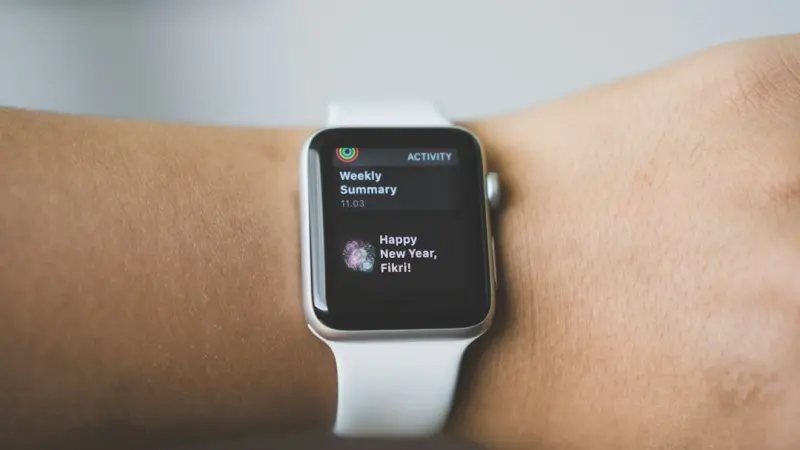
Imagine waking up, glancing at your wrist, and instantly knowing exactly what your skin needs for the day ahead. No more guessing games with moisturizers, serums, or SPF levels—just data‑driven decisions that keep your skin healthy, radiant, and resilient. This isn’t a sci‑fi fantasy; it’s the emerging reality of wearable skin sensors, a quiet yet powerful shift that’s redefining personal care for busy professionals, wellness enthusiasts, and anyone who wants to treat their body like the sophisticated machine it is.
Why Traditional Skincare Routines Are Falling Short
For decades, the personal care industry has relied on a one‑size‑fits‑all approach: “If you have dry skin, use a hydrating cream; if you have oily skin, try a mattifying lotion.” While that guidance works on a broad level, it ignores the daily fluctuations that affect each of us uniquely. Factors like stress, humidity, diet, sleep quality, and even the air quality in your office can dramatically alter your skin’s needs from one morning to the next.
Even the most diligent self‑care advocate will find themselves reaching for a product only to discover it feels wrong an hour later. The result? A cluttered bathroom shelf, wasted money, and a lingering sense that you’re not truly listening to your body.
Enter Wearable Skin Sensors
Wearable skin sensors are lightweight, flexible devices that adhere to your skin—often as a discreet patch, a smart band, or even embedded in everyday accessories like earrings or glasses. These sensors continuously monitor a suite of biometric signals, such as:
- Hydration levels – measuring transepidermal water loss to detect dryness before you feel it.
- UV exposure – tracking cumulative sun exposure and alerting you when it’s time to reapply sunscreen.
- pH balance – spotting shifts that can indicate irritation or barrier disruption.
- Temperature and sweat rate – helping you understand how your environment and activity level affect skin comfort.
All this data streams to a companion app that translates raw numbers into actionable insights, offering real‑time recommendations for product types, application timing, and even lifestyle tweaks.
How the Data Translates into Actionable Care
Let’s walk through a typical day with a wearable sensor:
- Morning check‑in: Your wristband tells you your skin’s hydration is 20% lower than the ideal range. The app suggests a lightweight, hyaluronic‑acid serum and a short misting routine before your coffee.
- Mid‑day alert: After a lunch meeting outdoors, the UV sensor registers a spike. A gentle push notification reminds you to reapply SPF 30+ and suggests a quick antioxidant spray to combat free radicals.
- Evening wind‑down: Post‑gym, the sensor notes increased sweat and a temporary rise in skin pH. The app recommends a calming, pH‑balancing night cream and a brief cool‑water rinse to close pores.
These micro‑adjustments feel almost magical, but they’re simply the power of continuous feedback—a principle that has revolutionized fitness and nutrition and is now making its way into personal care.
Choosing the Right Device for Your Lifestyle
Not all wearables are created equal. Here are three popular formats and what to consider when picking yours:
- Adhesive patches: Perfect for targeted monitoring (e.g., facial skin). Look for hypoallergenic adhesives and a battery life that lasts at least a week.
- Smart bands: Ideal for holistic tracking, covering the wrist and forearm. Choose a band that syncs seamlessly with your smartphone and offers a sleek design you’ll actually wear.
- Integrated accessories: Think smart earrings or glasses that double as sensors. These are great for style‑conscious users who want data without a “techy” look.
When evaluating options, prioritize:
- Accuracy of sensor readings (look for clinical validation).
- Data privacy—ensure the manufacturer encrypts data and offers clear opt‑out options.
- Battery life and ease of recharging.
- Compatibility with your existing skincare products (some apps even integrate with brand‑specific product lines).
Integrating Wearable Insights with Existing Routines
Adopting a wearable doesn’t mean scrapping what already works; it enhances it. Here’s how you can weave sensor feedback into your current regimen:
- Start with a baseline: Wear the device for a full week without changing anything. The app will establish your personal “normal” ranges.
- Identify patterns: Notice how certain activities—like late‑night screen time or a salty dinner—affect your skin metrics.
- Adjust product timing: If the sensor shows a dip in hydration in the early afternoon, schedule a misting step then, rather than waiting until evening.
- Leverage smart home integration: Many apps can trigger a smart humidifier or adjust your bedroom’s humidity at night, creating an ecosystem that supports your skin automatically.
Beyond the Skin: Holistic Benefits of Data‑Driven Personal Care
When you start paying attention to skin signals, you’ll notice spillover effects:
- Stress awareness: Elevated sweat rates often correlate with heightened cortisol. Spotting this early can prompt a breathing exercise or a short walk.
- Nutrition cues: Low hydration readings might hint at insufficient water intake, nudging you to sip more fluids throughout the day.
- Sleep quality: Skin pH swings at night can be an indirect marker of poor sleep, encouraging you to prioritize a consistent bedtime routine.
In essence, the skin becomes a real‑time dashboard for overall well‑being, turning personal care into a gateway for broader lifestyle optimization.
Real‑World Success Stories
Several early adopters have already reported measurable improvements:
- Emily, a marketing manager: After three months of using a wrist‑band sensor, she reduced her product inventory by 40% and saw a 25% decrease in skin irritation episodes.
- Raj, a freelance developer: By reacting to UV alerts, he cut his sunburn incidents in half, which also reduced the need for post‑sun recovery products.
- Lena, a yoga instructor: Integrating humidity control based on nighttime skin data helped her maintain a balanced complexion even during dry winter months.
These anecdotes echo a larger trend: data‑driven personal care isn’t just a novelty—it’s a practical tool for simplifying routines, saving money, and boosting confidence.
Potential Pitfalls and How to Avoid Them
Like any emerging technology, wearables come with challenges. Here are common concerns and proactive steps:
- Information overload: Too many alerts can feel overwhelming. Customize notification thresholds in the app to only receive critical updates.
- Device fatigue: Wearing a patch daily may feel intrusive. Rotate between devices (e.g., patch one week, band the next) to keep the experience fresh.
- Data privacy anxiety: Choose brands that are transparent about data usage and provide easy ways to delete your history.
- Over‑reliance on tech: Remember that sensors supplement, not replace, intuition. Use the data as a guide, not a rulebook.
Future Horizons: What’s Next for Wearable Personal Care?
The roadmap ahead is exciting. Researchers are already exploring:
- Multi‑modal sensors: Devices that combine skin metrics with heart rate variability, offering a fuller picture of stress and recovery.
- AI‑enhanced recommendations: Algorithms that learn your habits over months, predicting not only immediate product needs but also long‑term skin health strategies.
- Eco‑friendly designs: Biodegradable patches and solar‑charged bands, aligning with the broader sustainability movement.
As these innovations mature, the line between personal care and overall health monitoring will blur, ushering in an era where every skin‑related decision is backed by science.
Getting Started Today
Ready to dip your toe into the wearable personal care pool? Here’s a simple starter plan:
- Research and pick a device that fits your budget and style.
- Download the companion app and set up basic notifications (e.g., hydration alerts).
- Commit to a 7‑day baseline period—no product changes, just observation.
- Review the data and make one small adjustment (like adding a misting step).
- Iterate weekly, gradually layering more insights into your routine.
Remember, the goal isn’t to create a perfect routine overnight but to cultivate a responsive, mindful approach that evolves with you.
Connecting the Dots with Other Sustainable Practices
If you’re already exploring eco‑friendly personal care, you’ll find that wearables complement those efforts nicely. For instance, understanding your exact hydration needs can help you craft a minimalist routine that feels luxe—you’ll buy only the products that truly address your skin’s moment‑to‑moment demands, reducing waste and excess packaging.
Additionally, integrating sensor data with broader home sustainability initiatives, like smart energy management, can create a holistic wellness ecosystem. Learn how to turn your home into a low‑cost smart energy hub and see how synchronized systems can enhance both environmental impact and personal comfort.
Wearable skin sensors are more than a tech trend; they’re a catalyst for a smarter, more compassionate approach to personal care. By listening to the subtle signals your body sends, you can streamline your routine, protect your skin, and ultimately nurture a healthier, more confident you.

In the world of freelance writing, where creativity and adaptability are paramount, Michelle Fisher stands out as a dedicated and versatile professional. With a passion for crafting compelling narratives and a keen eye for detail, Michelle has established herself as a trusted voice.
Related Posts
Ritualizing Personal Care: Science of Daily Self‑Maintenance
Personal care is more than a routine—it's a science-backed ritual that can boost confidence and we... Read More

Cultivating a Friendly Skin Microbiome: The Next Frontier in Personal Care
Explore the shift from sterile skin routines to a symbiotic approach, learning practical ways to fee... Read More
Smart Personal Care: How Connected Devices Are Redefining Our Daily Routines
Laura Wilson shares her hands‑on experience with smart mirrors and connected grooming tools, revea... Read More
Top Posts

Curating Your Information Diet for a Healthier Mind
A practical guide to mastering the information diet: audit your digital intake, set intentional consumption windows, and leverage AI wisely to protect mental he...Read More

Playing with Possibility: How Creative Improvisation Boosts Mental Resilience
Explore the power of creative play to rewire your brain, reduce anxiety, and cultivate lasting mental resilience through simple, fun daily habits....Read More

Skill Badges & Peer Trust in Distributed Teams
Micro‑credentials and peer endorsements are redefining how talent is recognized in modern workplaces. This post shows why traditional resumes fall short, how ...Read More

Cold Water Immersion: Unlocking a Natural Boost for Body and Mind
Explore the science behind cold water immersion, learn practical ways to add it to your routine, and uncover its mental and physical benefits for a healthier, m...Read More
0 Comments
Post Comment
You will need to Login or Register to comment on this post!