
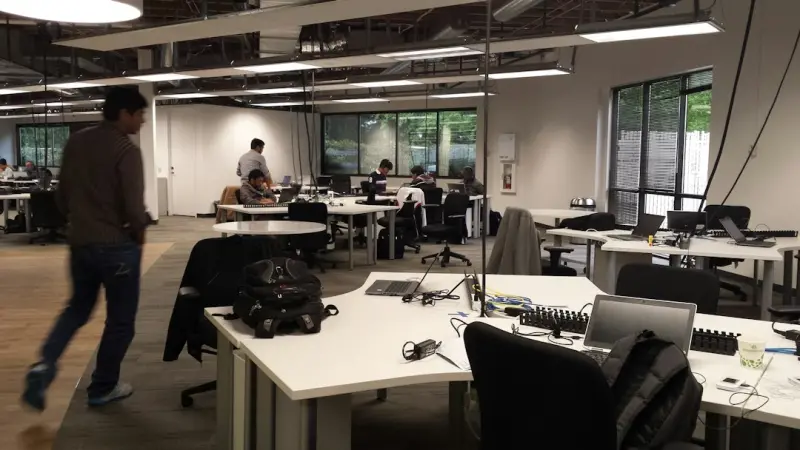
Why Employee Innovation Labs Are the New Engine of Growth
When I first walked into a conference room full of senior executives debating the next product roadmap, I noticed a glaring omission: the people who actually use the product every day were nowhere to be seen. It’s a classic case of “top‑down” thinking that has haunted large organizations for decades. The result? Stagnant pipelines, missed market signals, and a growing sense of disengagement among staff who feel their insights are invisible.
Enter the employee innovation lab—a dedicated, low‑risk sandbox where frontline workers, support staff, and even the occasional intern can prototype, test, and iterate ideas that directly address customer pain points. This isn’t a “hackathon” that lasts 48 hours and disappears; it’s a permanent, cross‑functional hub that blends the curiosity of a startup with the resources of an enterprise.
The Blind Spot in Traditional Idea Pipelines
Most companies still rely on a funnel model: marketing submits a brief, product managers prioritize, engineers build, and the cycle repeats. While orderly, this approach assumes the best ideas live in the boardroom. In reality, the most actionable insights often arise from day‑to‑day interactions with customers—whether a sales rep hearing a recurring complaint, a support agent fielding an unusual request, or a warehouse associate noticing a logistics bottleneck.
When these voices are filtered through layers of hierarchy, the original spark can be diluted, delayed, or dismissed entirely. Moreover, the conventional funnel incentivizes quantity over quality; teams are rewarded for the sheer number of proposals, not the impact of the few that truly move the needle.
What Sets an Employee Innovation Lab Apart
An employee innovation lab flips the script. It gives every employee a clear, sanctioned pathway to move from observation to prototype without navigating a maze of approvals. The lab operates on three core principles:
- Autonomy: Teams choose problems they care about and set their own timelines.
- Resource Access: Dedicated budget, design tools, and sandbox environments are provided up front.
- Rapid Feedback: Real‑time data from customers or internal metrics guides iteration, preventing weeks of work on a dead‑end concept.
This framework transforms ideas from “nice‑to‑have” to “must‑have” by anchoring them in actual user experience and measurable outcomes.
Building the Lab: A Practical Blueprint
Launching a lab doesn’t require a new building or a massive budget. Here’s a step‑by‑step playbook you can adapt to any organization:
- Secure Executive Sponsorship. Identify a senior champion who can protect the lab’s budget and shield it from bureaucratic slowdowns.
- Define Scope and Metrics. Decide whether the lab focuses on product features, process improvements, or both. Establish clear success criteria—time‑to‑market, cost savings, or NPS lift.
- Curate a Cross‑Functional Core Team. Include a mix of engineers, designers, marketers, and frontline staff. Diversity of perspective fuels creativity.
- Allocate a “Innovation Budget.” Set aside a modest fund (often 1–2% of the department’s operating budget) for prototyping tools, user testing, and small‑scale pilots.
- Implement a Transparent Idea Funnel. Use a simple digital board where anyone can submit an idea, attach supporting data, and track its progress.
- Provide Learning Resources. Pair the lab with ongoing skill development—think AI-driven microlearning modules that keep participants sharp on design thinking, rapid prototyping, and data analytics.
- Celebrate Wins Publicly. Highlight successful pilots in all‑hands meetings, newsletters, and internal social channels to reinforce the lab’s value.
Notice how the structure mirrors successful internal gig marketplaces: both create fluid pathways for talent to apply skills where they’re most needed, but the lab adds a focused, outcome‑oriented layer.
Real‑World Wins That Prove the Model
Companies that have adopted employee labs report impressive outcomes:
- 30% Faster Feature Validation. By involving support agents who directly hear customer pain points, prototypes are tested with real users within weeks, not months.
- 20% Reduction in Operational Costs. A logistics team identified a simple redesign to a packaging workflow, saving thousands in labor hours.
- Higher Retention. Employees who see their ideas materialize feel a stronger sense of ownership and purpose, which translates into lower turnover.
These numbers aren’t just anecdotes; they’re the result of a systematic approach that treats employee insight as a strategic asset, not a nice‑to‑have perk.
Common Pitfalls and How to Avoid Them
Even the most well‑intentioned labs can stumble. Below are the three biggest traps and practical remedies:
- “Idea Overload” Without Prioritization. Flooded boards can drown valuable concepts. Counter this by assigning a small review committee that scores ideas on impact, feasibility, and alignment with strategic goals.
- Insufficient Resources. A lab that can’t prototype quickly loses momentum. Secure a modest but reliable budget and partner with internal tech teams for sandbox environments.
- Lack of Integration. If lab projects never exit the sandbox, they become dead ends. Build a clear hand‑off process to product, operations, or process teams, complete with a “graduation” checklist.
Measuring Impact: From Vanity Metrics to Business Value
Success is easy to claim but hard to prove without the right data. Move beyond “number of ideas submitted” and track:
- Time‑to‑Validation. How quickly does an idea move from concept to a tested prototype?
- Adoption Rate. What percentage of lab projects become permanent features or processes?
- Financial Return. Calculate cost savings, revenue uplift, or efficiency gains directly attributable to lab outcomes.
- Employee Engagement Scores. Survey participants before and after involvement to gauge changes in morale and sense of purpose.
These metrics not only justify continued investment but also provide a feedback loop to refine the lab’s operating model.
Embedding the Lab Within Existing Structures
A lab should not exist in a vacuum. It thrives when it’s woven into the fabric of existing processes:
- Product Roadmaps. Lab discoveries can feed directly into quarterly planning cycles.
- Performance Reviews. Recognize contributions to the lab as a key performance indicator, encouraging broader participation.
- Talent Development. Align lab projects with career pathways, giving employees a tangible showcase for promotion discussions.
This integration ensures that the lab’s output is not an isolated curiosity but a catalyst that accelerates the organization’s overall strategic objectives.
The Role of Leadership: From Gatekeepers to Enablers
Leaders must shift from being the sole source of direction to becoming the chief facilitators of innovation. This involves:
- Providing clear, inspirational goals without micromanaging execution.
- Championing lab successes in public forums to build cultural credibility.
- Allocating “innovation time” in schedules, similar to the famous 20% rule used by tech giants.
- Modeling curiosity by participating in lab sessions, even if just as an observer.
When executives openly value grassroots ideas, the entire organization internalizes the message: every voice matters.
Looking Ahead: The Future of Employee Innovation Labs
As remote work solidifies its place in the modern workforce, the lab model evolves. Virtual collaboration platforms now allow distributed teams to co‑create in real time, and AI‑enhanced analytics can surface hidden patterns in employee‑generated data, surfacing the next big opportunity before anyone even articulates it.
Imagine a scenario where an AI assistant scans support tickets, highlights recurring friction points, and automatically suggests a lab challenge for teams to solve. The loop from problem detection to solution prototyping becomes almost instantaneous—turning the organization into a self‑optimizing organism.
In this brave new world, the employee innovation lab isn’t just a nice‑to‑have experiment; it becomes the central nervous system that translates lived experience into strategic advantage.
Getting Started Today
If you’ve been waiting for a sign to launch an employee innovation lab, consider this your cue. Start small: pick a pilot team, allocate a modest budget, and set a three‑month timeline. Track the metrics, celebrate the wins, and iterate on the process. Before you know it, you’ll have a thriving ecosystem where every employee feels empowered to shape the future of the company.
Remember, the most powerful innovations often come from the people who are already solving the problem every day. Give them a stage, and watch the organization transform from the inside out.

Jimmy Damon loves to right on a large scale of topics with all things Canadian as this Montreal die hard loves hockey. fishing and sports.
Related Posts

Why Outdoor Workspaces Are the Next Big Thing for Employees
Explore the rise of garden desks and outdoor offices, the data behind their benefits, and how embrac... Read More

Why Employee Side‑Projects Are the Secret Sauce for Sustainable Growth
Side‑projects aren't just hobbies—they're a strategic engine for innovation, skill development, ... Read More
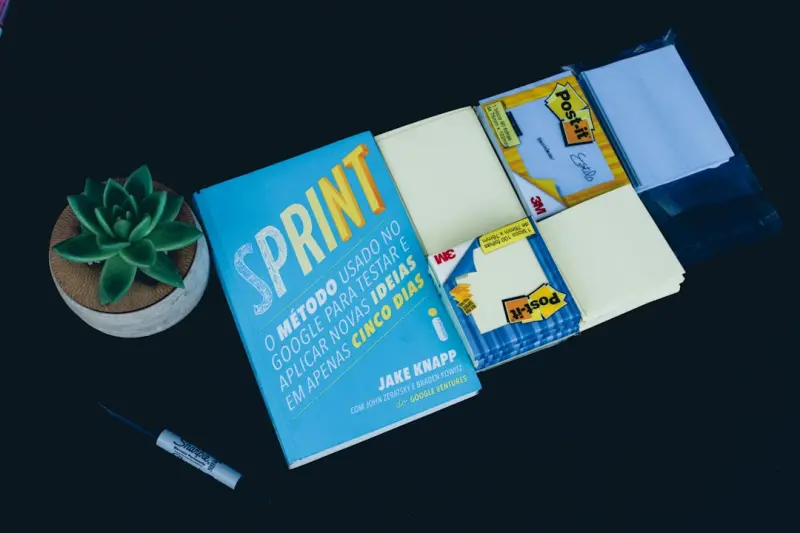
Micro‑Internships: A Fast‑Track Blueprint for Modern Talent Acquisition
Micro‑internships combine short‑term, project‑focused work with real business impact, offering... Read More
Top Posts

Turning Layovers Into Mini‑Adventures: A New Travel Playbook
Learn to transform ordinary layovers into intentional mini‑adventures that sharpen adaptability, deepen sensory experiences, and enrich every journey....Read More
Zero‑Waste Bathroom: A Personal Care Revolution
A step‑by‑step guide to building a zero‑waste bathroom, featuring sustainable product swaps, DIY recipes, and tips for aligning personal care routines wit...Read More
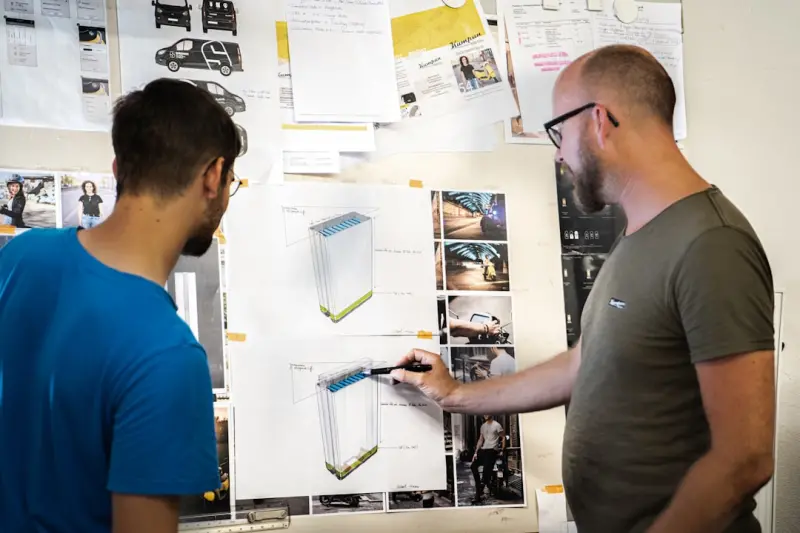
AI as a Collaborative Co‑Creator: Transforming Product Decisions with Ethical Insight
Discover a fresh approach to AI that treats it as a trusted teammate, delivering transparent, ethical, and actionable insights to boost product decision‑makin...Read More

Curiosity Rituals: A Fresh Tool for Mental Clarity
A practical guide to using curiosity rituals as a simple, daily practice that shifts mental stress into insight, blending seamlessly with existing mental‑heal...Read More
0 Comments
Post Comment
You will need to Login or Register to comment on this post!