
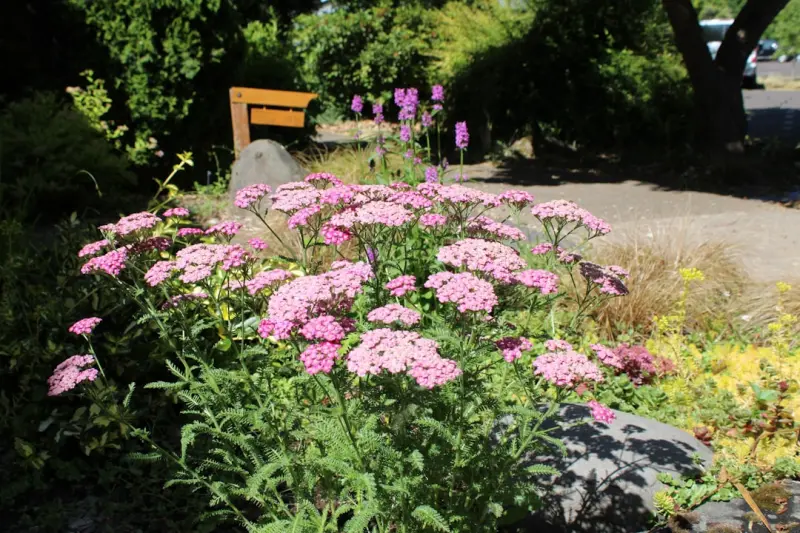
Why Native Pollinator Gardens Are the Next Home Trend
When I first stepped onto my neighbor’s backyard last spring, I was greeted by a chorus of buzzing, humming, and fluttering. It wasn’t just a random collection of insects; it was a thriving ecosystem buzzing with purpose. That moment sparked a personal mission: to turn my own yard into a sanctuary for pollinators, and to show other homeowners how a modest shift in planting choices can deliver big ecological dividends.
Understanding the Buzz: What Exactly Is a Pollinator Garden?
A pollinator garden is a deliberately curated space that provides nectar, pollen, and shelter for the insects and birds that move pollen from flower to flower. While many gardeners think of honeybees first, a truly effective garden also welcomes native bees, butterflies, moths, hoverflies, and even hummingbirds. These creatures are the unsung heroes of our food system, responsible for pollinating roughly one‑third of the world’s crops. By inviting them in, you’re not just beautifying your property—you’re actively supporting local agriculture and biodiversity.
In the United States, the decline of pollinator populations has been well‑documented, driven by habitat loss, pesticide exposure, and climate change. Homeowners have a surprisingly powerful lever: the backyard. By planting a mix of native species that bloom at different times, you create a continuous food source that can help reverse these trends.
Choosing the Right Plants: The Native Advantage
Native plants are adapted to your local climate, soil, and wildlife, meaning they require less water, fewer inputs, and are far more attractive to native pollinators than exotic ornamentals. Here’s a quick cheat sheet for the three most common climate zones:
- Temperate Zones (e.g., Midwest, Northeast): Black-eyed Susan (Rudbeckia hirta), Purple Coneflower (Echinacea purpurea), and Bee Balm (Monarda didyma).
- Arid Zones (e.g., Southwest): Desert Marigold (Baileya multiradiata), Penstemon (Penstemon spp.), and White Sage (Salvia apiana).
- Coastal Zones (e.g., Pacific Northwest): Oregon Grape (Mahonia aquifolium), Red‑flowering Currant (Ribes sanguineum), and Pacific Coast Iris (Iris douglasiana).
Each of these species provides nectar at different points in the growing season, ensuring that pollinators have a reliable food source from early spring through late fall. When you mix them in layers—groundcovers, mid‑height perennials, and tall shrubs—you also create nesting habitats, which are just as vital as food.
Designing for All Seasons: A Year‑Round Pollinator Party
One common mistake is planting a burst of spring flowers that die off by midsummer, leaving pollinators starving. To avoid this, map out bloom times on a simple calendar and aim for at least four overlapping bloom windows. Here’s a sample schedule:
- Early Spring (Mar‑Apr): Willowherb, Virginia Bluebells.
- Late Spring (May‑Jun): Lupine, Salvia.
- Mid‑Summer (Jul‑Aug): Goldenrod, Milkweed.
- Fall (Sep‑Oct): Asters, Sedum.
Incorporate evergreen foliage such as serviceberry or dwarf pine to provide shelter during winter months. Even when flowers are dormant, pollinators need roosting sites and protection from the elements.
Water‑Wise Practices: Harvest, Mulch, and Reuse
Water scarcity is a growing concern, especially in arid regions. Native pollinator gardens naturally require less irrigation, but you can enhance their resilience with a few smart steps:
- Rainwater Harvesting: Install a modest rain barrel beneath a downspout. Use the stored water for a deep soak once a week during dry spells.
- Mulching: Apply a 2‑inch layer of organic mulch around each plant. Mulch retains moisture, suppresses weeds, and slowly adds nutrients as it breaks down.
- Drip Irrigation: If you need supplemental watering, a drip system delivers water directly to the root zone, reducing evaporation loss.
These techniques not only conserve water but also create a healthier soil microbiome—another hidden ally for pollinators, as robust soils support richer plant growth and nectar production.
Beyond Bees: Attracting a Full Spectrum of Beneficial Creatures
While bees steal most of the spotlight, other pollinators bring unique benefits. Here’s how to make your garden welcoming for each:
- Butterflies: Plant milkweed, butterfly bush, and fennel. Provide sunny, wind‑protected perches.
- Hoverflies: Small, yellow‑striped flowers like alyssum and dill attract these natural aphid predators.
- Hummingbirds: Red tubular blooms such as trumpet vine and columbine are irresistible to them.
- Night‑time pollinators (e.g., moths): Include fragrant, white blossoms like evening primrose that release scent after dusk.
Consider adding a shallow water feature—like a birdbath or a dish with stones—to give insects a safe place to hydrate.
DIY Groundcover Alternatives: The Low‑Maintenance Lawn Substitute
Traditional turf lawns demand heavy mowing, fertilizing, and watering. An eco‑friendly alternative is a native groundcover that doubles as pollinator forage. Options such as creeping thyme, dwarf cinquefoil, or native sedum provide dense, green coverage while producing tiny flowers that attract bees and butterflies. The benefits are threefold:
- Reduced maintenance—no weekly mowing.
- Less water usage—many groundcovers are drought‑tolerant.
- Continuous bloom—many species flower throughout the growing season.
If you’re skeptical, start with a small “test patch” in a corner of your yard, observe the pollinator activity, and expand gradually.
Smart Tech Meets Nature: Integrating Sensors and Apps
Technology isn’t just for the office; it can help you fine‑tune your pollinator garden. Here are three low‑cost tools that make stewardship easier:
- Soil Moisture Sensors: Plug into a simple Bluetooth reader to get real‑time data on soil hydration, ensuring you water only when necessary.
- Pollinator Identification Apps: Apps like iNaturalist let you snap photos of visiting insects and instantly learn their species—perfect for tracking biodiversity over time.
- Automated Drip Controllers: Pair a timer with weather forecasts to pause irrigation during rain, conserving water automatically.
These gadgets let you maintain a thriving garden without turning it into a high‑tech chore. In fact, they free up mental bandwidth for the more rewarding parts—watching a monarch alight on a milkweed or hearing a bumblebee hum around a lavender patch.
From the Ground Up: A Step‑by‑Step Launch Plan
Feeling inspired but unsure where to start? Follow this practical roadmap:
- Assess Your Space: Sketch a rough layout, noting sun exposure, soil type, and existing vegetation.
- Choose Native Species: Refer to your local extension service’s plant list; pick at least 5–7 varieties with staggered bloom times.
- Prepare the Soil: Loosen the top 6 inches, incorporate compost, and lay down a breathable landscape fabric if you’re converting a lawn.
- Plant Strategically: Position taller shrubs on the north side to avoid shading lower‑growth pollinator plants.
- Mulch & Water: Add a generous mulch layer, then give a deep soak to settle roots.
- Install Habitat Features: Add a bee house, a small rock pile, and a water dish with stones.
- Monitor & Adjust: Use a soil moisture sensor and an identification app to track plant health and pollinator diversity. Adjust watering, pruning, or plant placement as needed.
As you watch the garden evolve, you’ll notice a subtle shift in the atmosphere—less noise, more color, and a palpable sense of connection to the natural world right outside your backdoor.
Connecting the Dots: Integrating With Existing Home Projects
If you’re already undertaking home upgrades, there are seamless ways to weave pollinator-friendly elements into those projects. For instance, if you’re revamping your room‑by‑room energy boosters, consider adding solar‑powered LED lights that mimic natural dusk and dawn cycles. This subtle lighting can extend pollinator activity into the evening, especially for night‑flying moths.
Another synergy is the rising trend of edible landscape design. While edible gardens focus on food production, you can blend them with pollinator planting by choosing fruiting vines and berry shrubs that also provide abundant nectar—think serviceberry, currants, or even kiwi vines.
Conclusion: A Small Plot, A Big Impact
Turning your yard into a native pollinator garden is more than an aesthetic choice; it’s an act of stewardship that pays dividends in biodiversity, water savings, and personal well‑being. The best part? You don’t need acres—just a modest patch, a handful of native plants, and a willingness to observe and adapt. In the weeks and months to come, you’ll find yourself looking forward to each sunrise, not just for the coffee, but for the chorus of wings and the splash of color that your garden has invited into your life.

Dale Peterson is a freelance writer with a passion for technology, travel, law and personal finance. With 10 years of experience crafting compelling and informative content, he's dedicated to delivering high-quality writing for Blogging Fusion that engages audiences and achieves specific goals.
Related Posts

Harvesting Harmony: Building a Low‑Effort Kitchen Garden That Feeds Body and Soul
Learn to transform a sunny windowsill or balcony into a low‑maintenance kitchen garden, using smar... Read More
Why My Garden Desk Is the Hottest Home & Garden Trend of 2024
Rose DesRochers reveals how her garden desk merges nature and work, boosting focus, wellness, and ec... Read More

How a Garden Desk Can Transform Your Home Life and Boost Well‑Being
A garden desk isn’t just furniture; it’s a catalyst for wellness, productivity, and family conne... Read More
Top Posts

The Quiet Power of Ambient AI: Turning Everyday Workflows into Seamless Experiences
Ambient AI weaves intelligent assistance into the background of our work, offering timely, relevant support that frees mental bandwidth. This post explores its ...Read More

Smart Home Energy Hacks for Everyday Comfort
Learn practical, low‑cost home energy hacks—from natural light tricks to smart thermostat secrets—that improve comfort, lower utility costs, and create a ...Read More

Why Curated Micro‑Learning Beats Traditional Training in Today’s Job Market
Micro‑learning transforms skill development into quick, impactful bursts, giving professionals a competitive edge and meeting employer demand for agile talent...Read More

Savoring the Journey: A Sensory Approach to Modern Travel
A fresh look at travel that invites readers to engage all five senses, turning ordinary trips into unforgettable experiences....Read More
0 Comments
Post Comment
You will need to Login or Register to comment on this post!