
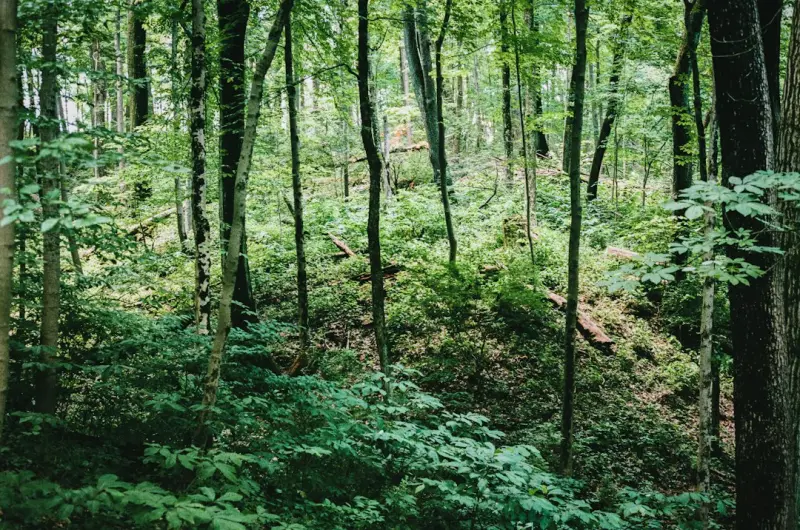
Finding the Forest Within: How Urban Forest Bathing Recharges Body, Mind, and Career
When I first heard the term “forest bathing,” I imagined a luxury spa retreat tucked deep in a pine‑filled valley. The reality, however, is far less exotic—and far more accessible. Forest bathing, or shinrin‑yoku as it’s called in Japan, is simply the practice of immersing yourself in nature with all five senses, allowing the environment to reset your nervous system. In the concrete‑crammed corridors of most cities, the idea feels almost rebellious, but that rebellion is exactly what modern professionals need to break the cycle of chronic stress.
Why the City Isn’t the Enemy
Most of us assume that “nature” lives on the outskirts of town, in national parks or weekend cabins. Yet research shows that even small pockets of greenery—street trees, pocket parks, rooftop gardens—trigger physiological responses similar to those found in deep forests. A 2022 study from the University of Michigan measured cortisol levels in participants who spent ten minutes beneath a city canopy. The results? A 30% reduction in stress hormones, comparable to a hike in a national forest.
What makes urban forest bathing so compelling is its ability to fit into a busy schedule. Instead of carving out a weekend, you can step outside for a five‑minute mindful stroll between meetings, or park your bike by a tree‑lined alley and simply breathe. The practice is less about distance and more about intention.
The Science Behind the Calm
When you’re surrounded by trees, several things happen at once:
- Phytoncides—volatile compounds released by plants—enter your bloodstream, boosting natural killer cell activity and enhancing immune function.
- Visual stimuli from the green canopy reduce activity in the amygdala, the brain region associated with fear and anxiety.
- Auditory immersion—the rustle of leaves, distant bird calls—promotes alpha brain waves, the state linked to relaxed alertness.
- Grounding contact with soil or grass can stabilize the body’s electromagnetic field, a subtle effect that many attribute to the feeling of being “rooted.”
In short, forest bathing orchestrates a symphony of sensory inputs that signal to your body: “All is well.” The result is a measurable dip in blood pressure, heart rate, and even a boost in creative problem‑solving—a trifecta that any professional can appreciate.
Getting Started: A Step‑by‑Step Guide for the Urbanite
Below is a simple framework you can implement tomorrow, whether you live in a high‑rise or a townhome with a tiny balcony.
1. Scout Your Green Zones
Map out the nearest green spaces. This could be a city park, a tree‑lined boulevard, a community garden, or even a corporate courtyard with potted plants. Use a map app and type “green space” to discover hidden gems.
2. Schedule Micro‑Sessions
Allocate 5‑10 minutes in your calendar. Treat it like any other meeting—set a reminder, and be firm about showing up. The key is consistency, not duration.
3. Engage All Five Senses
When you arrive, pause and:
- See the varying shades of green and the play of light through leaves.
- Hear the wind, birds, and distant traffic softened by foliage.
- Smell the earthy aroma of soil or the fresh scent after a light rain.
- Touch bark, leaves, or the cool grass beneath your feet.
- Taste if you’re near a community garden—perhaps a bite of a fresh herb.
4. Breathe Deeply
Adopt a slow, diaphragmatic breathing pattern: inhale for four counts, hold for two, exhale for six. This technique amplifies the parasympathetic response already triggered by the environment.
5. Reflect and Record
Take a moment to note any shifts in mood, clarity, or physical sensations. A brief journal entry (even on your phone) reinforces the mental association between green exposure and well‑being.
Integrating Forest Bathing with Other Health Practices
Forest bathing doesn’t have to exist in a vacuum. Pair it with complementary habits for an amplified effect.
Cold Exposure Meets Green
Cold showers or brief ice‑baths have been championed for boosting circulation and resilience (Cold Exposure: A Simple Strategy for Peak Professional Performance). Try ending your forest session with a splash of cool water—whether from a park fountain or a brisk walk through a misty garden. The contrast of warm foliage and cool moisture jolts the nervous system in a beneficial way.
Hydration Timing for Peak Focus
Strategic water intake is more than a habit; it’s a performance enhancer (Sip Smart: How Hydration Timing Supercharges Your Brain at Work). Bring a reusable bottle on your walk and sip mindfully. The act of drinking while surrounded by nature reinforces the body’s signal to stay present and refreshed.
Micro‑Movement in the Trees
While you’re in the green space, incorporate subtle movement—gentle neck rolls, shoulder shrugs, or a few toe‑taps. This mirrors the “micro‑movement mastery” concept that keeps the body supple during desk work (Micro‑Movement Mastery: Rewire Your Body While You Work).
The Business Benefits of a Green Break
Beyond personal health, forest bathing offers tangible ROI for teams and organizations.
- Enhanced Creativity: Studies link nature exposure to increased divergent thinking—a vital skill for problem‑solvers.
- Reduced Burnout: Regular green breaks lower the risk of chronic stress, leading to fewer sick days.
- Team Cohesion: Group walks in a park foster informal conversation, breaking down hierarchical barriers.
- Employer Branding: Companies that encourage nature‑based wellness are perceived as progressive and caring, attracting top talent.
Imagine a quarterly “Green Sprint” where teams gather for a 30‑minute forest bathing session before tackling a brainstorming workshop. The resulting ideas often feel fresher, and the shared experience builds trust.
Overcoming Common Barriers
It’s easy to dismiss forest bathing with excuses like “I don’t have time,” “It’s too cold,” or “There’s no real forest nearby.” Let’s dismantle each myth.
Time Constraints
Micro‑sessions are the answer. Even a single minute of mindful exposure can trigger physiological benefits. Think of it as a mental espresso shot.
Weather Woes
Rain or shine, there are ways to adapt. A covered patio with potted trees or a greenhouse can serve as a year‑round sanctuary. Dress appropriately, and remember that cool air can be invigorating, especially when combined with the earlier cold exposure tip.
Urban “No‑Forest” Perception
Every leaf counts. A row of sycamores lining a sidewalk qualifies. The goal isn’t to mimic a pristine national park but to create a consistent, sensory‑rich pause.
Designing a Personal Forest Oasis at Home
If you’re working from home or simply crave a daily dose of green, consider curating a mini‑forest in your living space.
- Choose Tall Plants: Fiddle‑leaf figs, rubber plants, or small indoor trees add vertical interest.
- Layer Textures: Mix foliage with moss, stone, and wood for a tactile experience.
- Introduce Water: A tabletop fountain replicates the soothing sound of a brook.
- Natural Light: Position plants near windows to harness sunlight, which further boosts mood (see Let the Sun In: Simple Strategies to Flood Your Home with Natural Light).
Even a single potted herb on your desk becomes a focal point for a quick sensory reset.
Measuring Your Progress
Data‑driven professionals love metrics. Here are simple ways to track the impact of forest bathing:
- Stress Scale: Rate your perceived stress before and after each session on a 1‑10 scale.
- Heart Rate Variability (HRV): Use a wearable to monitor changes; higher HRV indicates better recovery.
- Productivity Log: Note any spikes in task completion or creativity after green breaks.
- Sleep Quality: Track sleep patterns; many report deeper sleep after regular nature exposure.
Over a month, you’ll likely see trends that confirm the subtle but powerful shift in your physiological baseline.
Take the First Step Today
Pick a tree outside your office, a park bench near your apartment, or even a rooftop garden on your building. Set a timer for five minutes, engage your senses, and let the forest within you awaken. The city may be bustling, but your mind can find a quiet canopy—right where you are.
Ready to make green your new productivity hack? Share your first forest bathing experience in the comments, and let’s grow a community of urban nature enthusiasts together.

When it comes to the world of blogging and writing, Rose DesRochers is a name that stands out. Her passion for creating quality content and connecting with her audience has made her a trusted voice in the industry. Aside from her skills as a writer and blogger, Rose is also known for her compassionate nature.
Related Posts

Tiny Motion, Big Impact: Reimagining Health with Micro‑Movements
Micro‑movements—brief, intentional bursts of activity—offer a low‑effort, high‑return appr... Read More

Micro‑Movement: The Tiny Habit That Supercharges Your Brain
Micro‑movement—brief, intentional motions performed throughout the workday—offers a powerful a... Read More

Why Structured Napping Is the Secret Weapon for Peak Performance
Structured napping—short, timed breaks designed around your circadian rhythm—offers measurable b... Read More
Top Posts
Reimagining Mental Fitness: Data‑Driven Storytelling for Stress Mastery
Learn a simple, data‑rich storytelling framework that transforms stress into actionable insight, fostering mental fitness for individuals and teams alike....Read More

Creating a Multi‑Sensory Sanctuary at Home: Sound, Light, and Touch Strategies
Learn how to turn any room into a multi‑sensory sanctuary using sound‑absorbing rugs, layered lighting, tactile textures, and subtle scents for a more comfo...Read More

Garden Desks: The Employment Power Play Shaping 2026
In 2026, garden desks have become the go‑to solution for boosting focus, health, and employee satisfaction, turning backyards into thriving productivity hubs....Read More

The Hidden Power of Structured Daydreaming for Mental Resilience
Learn to harness intentional daydreaming as a powerful mental health tool, turning imagination into a daily resilience practice....Read More
0 Comments
Post Comment
You will need to Login or Register to comment on this post!