

Why Urban Forest Bathing Is the Next Health Frontier
Living in a city can feel like you’re constantly plugged into a neon‑lit circuit board—bright lights, honking horns, and a never‑ending stream of notifications. I’ve spent the last decade juggling high‑stakes projects, startup pivots, and the occasional marathon of structured play to keep my sanity in check. Somewhere between board meetings and sprint reviews, I discovered a surprisingly simple prescription for stress: forest bathing, or “shinrin‑yoku,” the Japanese practice of immersing yourself in nature’s quiet.
What if we could bring that calming, restorative experience right into the concrete jungle? What if the streets, rooftops, and pocket parks we already navigate could become intentional green sanctuaries that lower cortisol, sharpen focus, and boost immune function? This isn’t a whimsical wellness trend; it’s a data‑driven health strategy that merges urban design, wearable tech, and a dash of old‑school biology.
The Science Behind the Green
Decades of research have confirmed that exposure to trees and plant life triggers measurable physiological changes. A seminal study from the University of Tokyo found that participants who walked through a forest for 15 minutes experienced a 20% reduction in cortisol and a notable increase in parasympathetic activity—the branch of the nervous system responsible for “rest‑and‑digest.”
But the benefits go beyond stress hormones. Phytoncides—volatile organic compounds released by trees—have been shown to enhance natural killer cell activity, a key component of the body’s antiviral and anticancer defenses. In practical terms, a quick “green break” can make your immune system more vigilant.
Modern wearables are now quantifying these effects in real time. Devices that track heart‑rate variability (HRV), skin conductance, and even ambient sound levels can pinpoint the exact moments your body shifts from fight‑or‑flight to calm. By pairing those metrics with GPS data, we can map which urban green spots deliver the highest health payoff.
Turning City Streets into Green Labs
Here’s where the urban planner in me meets the health‑hack enthusiast. The goal isn’t to overhaul entire neighborhoods overnight; it’s to identify low‑effort, high‑impact interventions that transform existing infrastructure into health‑boosting zones.
- Micro‑Forests in Alleyways: Convert neglected back‑streets into dense, layered plantings. Think of a vertical garden that mimics a forest canopy, complete with undergrowth and a small water feature.
- Rooftop Tree Pods: Many commercial buildings have flat roofs that sit idle. Installing modular planters with dwarf trees creates a “sky forest” accessible via a simple stairwell.
- Pop‑Up Green Corridors: Temporary installations—rolling barrels of soil, portable planters, or even potted trees on bike racks—can convert a busy sidewalk into an aromatic, tactile experience during rush hour.
Each of these interventions can be measured for health impact using the same wearable data that monitors your daily steps. Over weeks, you’ll see concrete numbers: lower average resting heart rate, higher HRV scores, and fewer self‑reported anxiety spikes.
Integrating Biofeedback for a Personalized Experience
One of my favorite tools for fine‑tuning personal health is biofeedback. By feeding real‑time physiological data back to the user, biofeedback empowers you to see how your body reacts to different environments. Imagine walking through a city park while your smartwatch vibrates gently every time your HRV climbs above a certain threshold—an instant “you’re in the zone” notification.
When paired with urban forest bathing, biofeedback becomes a two‑way street:
- Discovery: Wearable sensors highlight which green spots naturally lift your HRV or lower your skin conductance.
- Optimization: You adjust the duration, depth of immersion (e.g., sitting versus walking), or even the sensory focus (listening to rustling leaves versus breathing the scent of pine).
- Retention: Over time, you build a personal “green map” that shows which micro‑forests give you the biggest health boost.
In practice, this means you can turn a 10‑minute coffee break into a scientifically backed rejuvenation session, without ever leaving the office block.
Cold Exposure Meets Green Therapy
While the primary focus is on foliage, there’s a compelling synergy with another emerging health practice: cold exposure. A recent deep‑dive into cold exposure therapy revealed that brief, controlled chills can spike norepinephrine—a neurotransmitter that sharpens focus and reduces inflammation.
Picture this: you step into a shaded, tree‑lined plaza, take a few mindful breaths, and then dip your hands into a chilled water fountain designed for “cold dips.” The combination of cool temperature and forest aromatics creates a double‑hit to the sympathetic nervous system, followed by a rapid rebound into parasympathetic recovery. The result? A heightened sense of alertness that lasts for hours, paired with the long‑term stress‑reduction benefits of green exposure.
Micro‑Biome Boost From the Ground Up
Most of us think of the skin microbiome when we hear “probiotic personal care.” However, the environmental microbiome—especially the rich bacterial diversity found in healthy soils—plays a crucial role in immune regulation. A walk on a living, loamy path introduces beneficial microbes that can colonize our skin and even our respiratory tract, training the immune system to respond more appropriately to pathogens.
If you’re curious about the interplay between environmental microbes and personal health, check out Nurturing Your Skin’s Microbiome. While that article focuses on skincare, the underlying principle is the same: diversity is protective. By increasing the microbial richness of the spaces we inhabit, we indirectly enrich our own microbiome.
Practical Steps to Start Your Urban Forest Bathing Routine
Ready to test the theory? Here’s a step‑by‑step guide you can implement today, no matter how cramped your city apartment is.
- Map Your Green Assets: Use a city map or a GIS app to locate parks, community gardens, tree‑lined streets, and rooftop gardens within a 1‑mile radius of your home or office.
- Equip Yourself: Grab a wearable that tracks HRV, heart rate, and skin temperature. Many smartwatches already offer these metrics.
- Set a Baseline: Spend a week logging your usual stress markers during a typical workday—no green exposure yet.
- Schedule Mini‑Baths: Insert three 10‑minute green breaks into your day. Choose a different spot each time to compare data.
- Engage Your Senses: While in the green space, practice slow, diaphragmatic breathing. Notice the texture of bark, the scent of foliage, and the sound of wind.
- Record & Reflect: After each session, review your wearable data. Look for spikes in HRV or drops in skin conductance. Jot down subjective feelings of calm or clarity.
- Iterate: Over a month, refine the timing, duration, and location based on which sessions deliver the biggest physiological uplift.
Within a few weeks, you’ll likely notice a measurable shift—lower baseline cortisol, steadier heart rate, and a more resilient mood—even on days when the city feels especially chaotic.
The Business Case: Healthier Employees, Higher Performance
From a leadership perspective, the ROI on green interventions is compelling. A 2018 study by the University of Queensland found that employees with access to natural views reported a 15% increase in productivity and a 6% reduction in sick days. When you combine that with biofeedback data showing a 10% lift in HRV—a known predictor of cognitive performance—you have a clear, quantifiable business argument for investing in urban green.
Many forward‑thinking companies are already integrating “green breaks” into their wellness programs. They’re redesigning break rooms with living walls, offering “forest‑walk” credits, and even partnering with local municipalities to create pocket parks near office complexes. The result? A healthier workforce, reduced turnover, and a brand narrative that aligns with sustainability and employee well‑being.
Looking Ahead: The Future of Smart Green Cities
Imagine a city where every block is equipped with sensors that monitor air quality, temperature, and ambient sound, feeding that data into a public dashboard. Citizens could use an app to find the nearest “high‑HRV zone” based on real‑time biofeedback crowdsourcing. Municipal planners could prioritize planting species that emit the most phytoncides, while developers embed modular green pods into every new construction.
We’re already seeing the seeds of that future in initiatives like smart park lighting, AI‑driven tree‑health monitoring, and community‑sourced “green heat maps.” As these technologies mature, the line between personal health tech and urban infrastructure will blur, creating an ecosystem where your next stress‑relief session is just a few clicks away.
Take the First Step Today
Don’t wait for the city council to approve a massive tree‑planting program. Your health can improve right now with the green spaces already at your fingertips. Pull out your wearable, locate the nearest park, and give yourself a 10‑minute forest bath. Record the data, feel the difference, and then share the findings with your team. In the meantime, keep an eye on emerging research and stay curious—because the next breakthrough in health may be waiting just beyond the next row of city maples.

Paul Flynn is a versatile freelance writer equipped with a diverse skillset and a portfolio that reflects his wide-ranging interests and expertise. From crafting compelling website copy and engaging blog posts to delivering in-depth articles and meticulously researched reports, Flynn demonstrates a remarkable ability to adapt his writing style to suit various audiences and purposes.
Related Posts

Micro‑Naps: Unlock Hidden Energy in a Hyper‑Connected World
A deep dive into the science, setup, and workplace integration of ten‑minute power naps, showing h... Read More

Finding Flow: Everyday Rhythm for Better Health
Explore the science of internal rhythms and learn practical strategies to align your daily cadence w... Read More
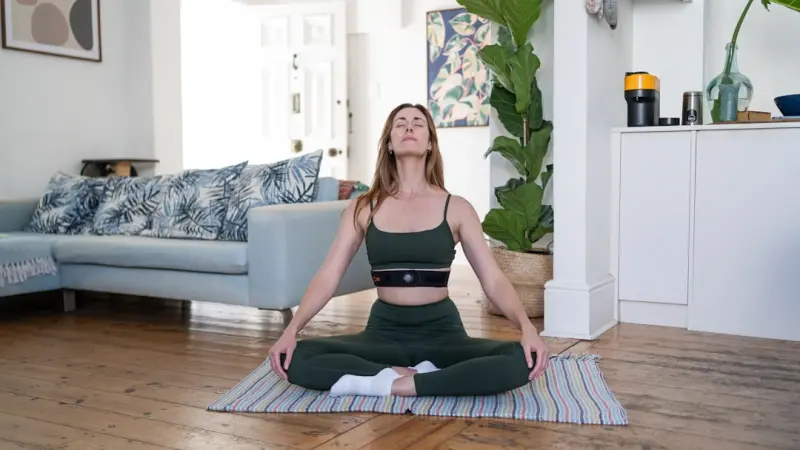
Breathing Into Health: Simple Practices for Immune Strength
Karen Edwards explains why intentional breathing is a powerful, low‑cost tool for strengthening im... Read More
Top Posts
Elevate Your Daily Grooming: Tiny Rituals for Big Confidence
Learn to turn everyday grooming into a confidence‑building ritual with time‑boxed bursts, scent‑sound pairings, and portable, sustainable care kits....Read More

Transparent Pay: The Secret Weapon for Talent Retention
When salaries stay hidden, trust erodes. Learn why transparent pay structures are reshaping workplaces and how leaders can implement them without breaking the b...Read More

Why Structured Sabbaticals Are the Secret Weapon for Modern Companies
A strategic look at how structured sabbaticals can reduce turnover, accelerate innovation, and boost employee engagement, turning planned time‑off into a powe...Read More

AI‑Powered Scenario Planning: Turning Uncertainty into Strategic Momentum
AI‑powered scenario planning equips leaders with real‑time, probabilistic insights, turning unpredictable events into strategic opportunities and building l...Read More
0 Comments
Post Comment
You will need to Login or Register to comment on this post!