
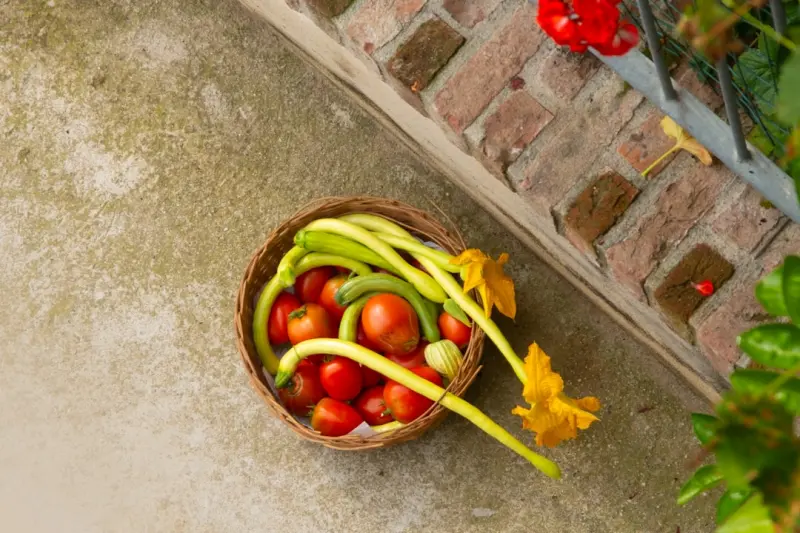
From a Balcony to a Bounty: Crafting a Year‑Round Food Oasis in Small Urban Spaces
Living in a city often means trading sprawling backyards for compact balconies, window sills, and rooftops. Yet, those modest nooks can become thriving food sanctuaries with a little imagination, strategic planning, and a sprinkle of sustainable savvy. I’ve spent the last few seasons turning my own balcony into a year‑round source of fresh herbs, leafy greens, and even bite‑size tomatoes. Below is my step‑by‑step guide, peppered with the little tricks that keep the garden productive, resilient, and joy‑filled—even when the weather tries to throw a curveball.
1. Assess Your Space and Light Realities
The first thing any urban gardener must do is take an honest inventory of the balcony’s dimensions, orientation, and exposure to sunlight. Most edible plants crave at least six hours of direct sun each day. If your balcony faces north or is shaded by neighboring buildings, you’ll need to get creative.
- South‑facing balconies: Ideal for sun‑loving veggies like tomatoes, peppers, and eggplants.
- East‑facing balconies: Perfect for leafy greens that tolerate cooler mornings, such as kale, spinach, and arugula.
- West‑facing balconies: Offer warm afternoon light, great for herbs like basil, thyme, and oregano.
When light is limited, consider reflective surfaces (mirrors, white boards) or grow lights designed for indoor gardening. A modest LED grow light can add the extra two to three hours of photosynthesis your plants crave, extending the growing season well into the cooler months.
2. Choose the Right Containers – Size, Material, and Mobility
Container selection is more than aesthetics; it dictates drainage, root space, and thermal regulation. Here’s what works best for a balcony garden:
- Self‑watering pots: Their reservoir reduces the frequency of watering—a lifesaver when you’re juggling a busy work schedule.
- Fabric grow bags: Breathable fabric encourages healthy root aeration and prevents root‑bound conditions.
- Recycled containers: Old tin cans, coffee‑ground jars, or reclaimed wooden crates add character while keeping waste low. For a truly zero‑waste approach, adopt zero‑waste practices in your container garden by repurposing household leftovers.
Remember to add a drainage layer of gravel or broken pottery before soil, and use a high‑quality potting mix that retains moisture yet drains freely. Avoid garden soil straight from the yard; it can compact quickly and harbor pests.
3. Soil, Nutrition, and Sustainable Feeding
Healthy soil is the foundation of any productive garden. For containers, I rely on a blend of peat‑free compost, coconut coir, and perlite. This mix stays light, retains moisture, and provides good aeration.
To keep nutrients flowing without creating waste, try these low‑impact feeding strategies:
- Compost tea: Soak finished kitchen compost in water for 24‑48 hours, strain, and use the liquid as a natural fertilizer.
- Eggshell mulch: Crushed shells add calcium and deter slugs.
- Seaweed extract: A few drops of diluted seaweed solution give a boost of micronutrients.
One of my favorite hacks is to sync your watering schedule with your body’s natural rhythms. I water in the early morning, just as my own circadian rhythm tells me to hydrate, which aligns with the plants’ need to absorb water before the heat of the day.
4. Plant Selection – Choosing the Right Crops for Your Climate and Space
When you’re limited to a balcony, it’s wise to pick compact, high‑yield varieties. Here are my go‑to choices:
- Herbs: Basil, cilantro, parsley, and chives grow well in small pots and can be harvested continuously.
- Leafy greens: Swiss chard, baby kale, and butter lettuce thrive in shallow containers and can be harvested “cut‑and‑come‑again”.
- Compact fruiting plants: ‘Patio’ tomato varieties, dwarf bell peppers, and mini eggplants are bred for container life.
- Root vegetables: Radishes, baby carrots, and beet greens can be grown in deeper, narrow containers.
Mixing companion plants also helps deter pests naturally—marigolds, for instance, repel nematodes, while basil can keep aphids at bay.
5. Season Extension Techniques – From Frost to Heat Waves
Urban balconies are exposed to temperature extremes. To keep your garden productive year‑round, employ these tactics:
- Cold frames: A simple wooden frame with a clear acrylic lid traps heat, protecting tender greens during chilly evenings.
- Row covers: Lightweight fabric blankets shield plants from frost while still allowing light and airflow.
- Portable heat mats: Placed under pots, they provide gentle bottom heat, perfect for seed germination and early spring growth.
- Shade cloth: In the peak of summer, a 30‑40% shade cloth prevents leaf scorch without compromising photosynthesis.
These tools are easy to install, store compactly, and can be moved with the containers as needed.
6. Water Management – Efficient Irrigation for Small Spaces
Water is the most critical (and often most wasted) resource in container gardening. Here’s how I keep my balcony garden hydrated responsibly:
- Drip irrigation kits: Miniature tubing delivers water directly to the soil, reducing evaporation.
- Rainwater barrels: Even a 5‑gallon rain collector can supply a weekend’s worth of watering, especially if you live in a rainy climate.
- Mulching: A thin layer of straw, shredded bark, or newspaper on top of the soil retains moisture and suppresses weeds.
Monitoring soil moisture with a simple finger test—pressing a finger into the soil about an inch deep—helps you avoid both over‑ and under‑watering. Remember, most container plants prefer to dry out slightly between waterings rather than sit in soggy soil.
7. Pest Management – Natural Solutions That Keep the Balcony Zen
Pests are inevitable, but chemical sprays have no place on a balcony garden where you’ll be harvesting the produce for meals. Try these organic approaches:
- Neem oil spray: A biodegradable insecticide that disrupts the life cycle of aphids, whiteflies, and spider mites.
- Beneficial insects: Introducing tiny ladybugs in a small mesh cage can keep aphid populations in check.
- Companion planting: As mentioned, herbs like rosemary and thyme can deter many common pests.
- Handpicking: A quick daily inspection and removal of visible pests can keep infestations low.
8. Harvesting, Storage, and Using Your Balcony Bounty
One of the most rewarding parts of balcony gardening is the immediacy of the harvest. Here’s how to make the most of your fresh produce:
- Harvest early and often: For herbs, snip just above the node to encourage bushier growth. For leafy greens, harvest outer leaves first.
- Quick‑chill method: Rinse, pat dry, and store greens in a zip‑top bag with a paper towel to absorb excess moisture. They stay crisp for up to a week.
- Preserve the surplus: Freeze chopped herbs in ice‑cube trays with a splash of olive oil, or make quick pickles from radishes and carrots.
Cooking with hyper‑fresh ingredients adds a burst of flavor that store‑bought produce can’t match. My go‑to weeknight dish? A sauté of basil, garlic, and cherry tomatoes tossed with whole‑wheat pasta—straight from balcony to plate in under 20 minutes.
9. Creating a Sensory Experience – Beyond Food
While the primary goal is edible harvest, a balcony garden can also become a sanctuary for the senses. Integrate textures, scents, and sounds to make the space a daily retreat:
- Fragrant herbs: Plant lavender or lemon balm for soothing aromas when you step outside.
- Textured pots: Use terracotta, woven baskets, or reclaimed wood to add tactile variety.
- Water features: A tiny solar‑powered fountain introduces gentle, calming sounds without consuming electricity.
This multi‑sensory approach not only enhances wellbeing but also encourages you to spend more time in your garden, deepening the connection between food, nature, and daily life.
10. Community and Sharing – Extending the Balcony Garden’s Impact
Urban dwellers often feel isolated, but a balcony garden can become a hub for community exchange. Here are a few ways to share the love:
- Swap Saturdays: Organize a monthly produce swap with neighbors—exchange a handful of tomatoes for a bunch of cilantro.
- Mini‑workshops: Host short, on‑the‑spot tutorials for kids or adults interested in container gardening.
- Donate excess: Local shelters and food banks often welcome fresh herbs and greens.
These interactions not only reduce food waste but also strengthen neighborhood bonds, turning a private balcony into a shared resource.
Final Thoughts: Your Balcony as a Living Kitchen
Transforming a modest balcony into a year‑round food oasis isn’t about grand gestures; it’s about intentional, small steps that compound into a thriving ecosystem. By assessing light, choosing the right containers, nurturing soil, and embracing sustainable practices, you can harvest fresh, nutritious produce while simultaneously creating a personal sanctuary.
Give it a try this season—start with a few herb pots, experiment with a compact tomato variety, and watch how the space evolves. Before you know it, that once‑bare balcony will be buzzing with life, aroma, and the satisfaction of eating what you grew with your own hands.

Jessica Gills is a freelance writer carving a niche for herself by empowering others through her words. With a focus on careers, self-development, and business, she helps readers navigate the complexities of the modern professional landscape.
Related Posts

Designing a Year‑Round Patio Oasis: From Sun to Snow
Discover how to transform any patio into a year‑round oasis with durable flooring, weather‑proof... Read More

Designing a Backyard Outdoor Kitchen: From Concept to Culinary Haven
Discover how to plan, build, and sustain a stunning backyard outdoor kitchen that blends functionali... Read More

Turning Your Backyard into a Reading Sanctuary: Gardens, Comfort, and Quiet
Create a tranquil backyard reading sanctuary using natural light, soothing plants, and simple DIY to... Read More
Top Posts
Transform Your Backyard into an Outdoor Learning Playground
Discover how to turn your garden into a dynamic outdoor classroom, blending play, science, and seasonal lessons for kids and adults alike....Read More

Why Garden Desks Are Redefining Employment in 2024
Rose DesRochers explains why the outdoor garden desk is more than a design trend—it's a game‑changing work solution that blends nature, wellness, and produc...Read More
Rewilding Your Backyard: A Practical Guide to Creating a Miniature Ecosystem
Discover a step‑by‑step approach to rewilding your yard, from soil testing and native plant selection to rain gardens and structural habitats, creating a lo...Read More
Cultivating a Kitchen Herb Garden: Fresh Flavors, Health Boosts, and Home Style
Learn the art of creating a thriving indoor herb garden that spices up meals, cleans the air, and becomes a stylish centerpiece in any kitchen....Read More
0 Comments
Post Comment
You will need to Login or Register to comment on this post!