

When most people think about personal care, they picture a quick shower, a dab of deodorant, and a splash of moisturizer before heading out the door. I’ve spent the last decade sprinting between boardrooms, pitch decks, and late‑night brainstorming sessions, and I’ve come to realize that the tiny, often‑overlooked choices we make in the bathroom can be the most decisive factor in sustaining high‑performance output. This isn’t about vanity; it’s about engineering a habit system that fuels focus, resilience, and long‑term health.
Why Personal Care Deserves a Seat at the Performance Table
Peak performers—whether they’re elite athletes, CEOs, or creative prodigies—treat every variable that could affect their output with the same rigor they apply to training plans or financial models. Sleep, nutrition, and exercise dominate the conversation, but personal care sits in the shadows, often dismissed as a “nice‑to‑have.” The reality is starkly different. The skin, hair, oral cavity, and even the nails are living ecosystems that respond instantly to stress, pollutants, and hormonal fluxes. When those systems falter, the body sends clear signals: brain fog, irritability, and a dip in physical stamina.
By reframing personal care as a performance lever, you begin to ask the same questions you’d ask about any other optimization tool: What are the measurable benefits? What’s the ROI? How can I iterate?
The Core Pillars of Performance‑Centric Personal Care
- Micro‑Stress Management – Tiny, daily irritants (hard water, synthetic surfactants, abrasive scrubs) create chronic micro‑inflammation that drags on recovery.
- Systemic Alignment – Your external routine should echo the internal rhythms of hormones, metabolism, and circadian flow.
- Feedback Loops – Real‑time data (skin hydration sensors, oral pH strips, sleep‑trackers) turn guesswork into actionable insight.
- Strategic Minimalism – Fewer, high‑quality products reduce decision fatigue and limit exposure to unnecessary chemicals.
1. The Hidden Cost of Micro‑Stress
Imagine you’re driving a high‑performance car. You wouldn’t pour cheap gasoline into a Ferrari, nor would you neglect regular oil changes. Yet many of us flood our bodies with cheap, mass‑produced soaps that strip the skin of its natural lipids. Over time, that loss forces the sebaceous glands to overcompensate, leading to excess oil production, clogged pores, and inflammation.
Research shows that harsh detergents can disrupt the skin’s microbiome in as little as 48 hours, compromising its barrier function and making you more vulnerable to irritants and pathogens. The same principle applies to oral care: alcohol‑based mouthwashes decimate beneficial bacteria, setting the stage for bad breath, gum inflammation, and even systemic issues like elevated blood pressure.
Addressing micro‑stress starts with a simple audit: list every product you touch daily, then flag any ingredient that sounds like a cleaning agent (e.g., sodium lauryl sulfate, parabens, triclosan). Replace them with gentler alternatives that respect your body’s natural chemistry.
2. Aligning Your Routine With Your Body’s Internal Clock—Without the Buzzwords
Most of us schedule a morning shower at 7 am because that’s when the alarm goes off, not because our skin is primed for cleansing at that hour. In truth, the skin’s barrier function fluctuates throughout the day, reaching peak hydration in the early afternoon and dipping in the late evening. By syncing cleansing and moisturizing steps with these natural peaks, you can lock in moisture more efficiently and reduce the need for heavy creams later.
Here’s a quick alignment guide:
- Morning (6–9 am): Use a pH‑balanced, sulfate‑free cleanser to remove overnight buildup without stripping lipids. Follow with a lightweight, antioxidant‑rich serum to combat free radicals generated by daylight exposure.
- Mid‑day (12–2 pm): Reapply a hydrating mist or facial spray that contains hyaluronic acid to replenish moisture lost to ambient humidity changes.
- Evening (8–10 pm): Opt for a richer, peptide‑infused moisturizer that supports nighttime repair cycles. Consider a brief, lukewarm facial massage to stimulate lymphatic drainage before bed.
These timing tweaks don’t require a complete overhaul—just a conscious shift that aligns product application with the body’s natural ebb and flow.
3. Turning Data Into Your Personal Care Dashboard
One of the most exciting developments for performance‑focused individuals is the rise of consumer‑grade biosensors. A skin hydration patch can transmit real‑time moisture levels to your phone, while a simple pH strip can give you instant feedback on oral acidity after meals.
When you couple these data points with a habit‑tracking app, you create a feedback loop that tells you exactly which product combos work best on a given day. For example, you might notice that on days you drink more coffee, your skin’s hydration drops by 12 %. Armed with that insight, you can pre‑emptively boost moisturization or switch to a caffeine‑neutralizer serum.
Integrating data doesn’t have to be high‑tech either. A weekly journal noting skin texture, energy levels, and mood can reveal patterns that guide product selection and timing. The key is consistency—track for at least two weeks before drawing conclusions.
4. The Power of Strategic Minimalism
Every extra bottle on the bathroom shelf adds a decision point. Decision fatigue is a real, measurable drain on cognitive bandwidth. By curating a capsule collection of personal care items, you free mental resources for the tasks that truly matter.
My go‑to lineup looks like this:
- Cleanser: A plant‑based, enzymatic wash that dissolves impurities without disrupting pH.
- Serum: A single‑ingredient, vitamin C ampoule for antioxidant protection.
- Moisturizer: A multi‑peptide cream that supports collagen synthesis overnight.
- Oral Rinse: An alcohol‑free, fluoride‑free formula with xylitol to maintain a healthy oral flora.
When each product serves a clear purpose and can be used across multiple contexts (e.g., the same serum for face and neck), you minimize clutter while maximizing efficacy.
5. Integrating Personal Care Into Your Workday Without Breaking Flow
High‑performers often think they don’t have time for “extra” routines. The truth is, short, intentional micro‑rituals can serve as cognitive resets, boosting focus and creativity. Here are three office‑friendly hacks:
- Desk‑Side Facial Mist: A quick spritz of a mineral‑rich mist restores skin moisture after hours of air‑conditioned environments.
- Mid‑Afternoon Oral Rinse: A 30‑second rinse with a neutral pH solution can neutralize acid buildup from lunch, keeping breath fresh for client calls.
- Hand‑Care Pause: Instead of reaching for hand sanitizer repeatedly, keep a nourishing hand cream on your desk and apply it after each wash to preserve the skin barrier.
These micro‑rituals take less than a minute each but compound into measurable improvements in comfort and confidence throughout the day.
6. Learning From the Future of Personal Care Tech
While we’re staying grounded in practical steps, it’s impossible to ignore the wave of innovation shaping tomorrow’s routines. Companies are now embedding micro‑sensors in skin patches that can release targeted actives on demand, responding to stress markers like cortisol. This AI-driven routine upgrades promise a future where your shower knows exactly which formula you need based on real‑time biometric data.
Even if you’re not ready to adopt a fully automated system, staying aware of these trends can inform your product choices today. Look for items that emphasize “adaptive” or “responsive” technologies—things that adjust pH, moisture, or antioxidant delivery based on environmental cues.
7. Creating a Personal Care Sanctuary Without Over‑Theming
Many readers might be tempted to turn their bathroom into a spa‑like escape, but that can backfire if it becomes a source of distraction. Instead, think of your personal care space as a functional, low‑stress zone. Keep surfaces clear, use neutral colors that don’t overstimulate, and limit decorative elements to a single calming scent or a simple piece of artwork.
For those who crave a deeper sensory experience, consider the subtle power of transforming daily hygiene into a sanctuary through scent layering. A few drops of cedarwood in your after‑shave balm can cue your brain that it’s time to transition from high‑energy tasks to reflective focus.
Putting It All Together: Your 30‑Day Performance Personal Care Challenge
To make these concepts concrete, I’ve designed a 30‑day challenge that integrates audit, alignment, data, minimalism, and micro‑rituals. Follow the steps below and track your metrics (energy levels, skin hydration, mood) in a simple spreadsheet.
- Week 1 – Audit & Declutter: List every product you use. Remove anything with harsh surfactants, alcohol, or synthetic fragrances.
- Week 2 – Align Timing: Shift cleansing to morning, antioxidant boost to midday, and repair focus to evening. Note any differences in skin feel.
- Week 3 – Introduce Data: Use a skin hydration patch or a simple pH strip. Record daily readings and correlate with caffeine intake, sleep, and stress levels.
- Week 4 – Micro‑Ritual Integration: Add the three office‑friendly hacks. Track productivity spikes (e.g., after a facial mist).
At the end of the month, review the data. Which changes yielded the biggest lift in performance? Which products proved redundant? Use those insights to lock in a streamlined routine for the next quarter.
Final Thoughts: Personal Care as a Competitive Edge
In the relentless chase for better results, we often overlook the simplest lever: how we treat the body’s outermost barrier. By treating personal care with the same analytical mindset we apply to strategy, finance, or product development, we unlock a hidden source of resilience and focus.
Remember, the goal isn’t to create a lavish spa experience—though that’s a nice bonus—but to engineer a routine that minimizes micro‑stress, aligns with natural rhythms, feeds data‑driven feedback loops, and conserves mental bandwidth. When you master that, you gain a quiet, yet powerful, edge that propels you forward, day after day.

Seth Samual is a name that's quickly becoming synonymous with compelling and insightful writing. As a freelance writer, Seth has carved a niche for himself by delivering high-quality content across a diverse range of subjects.
Related Posts
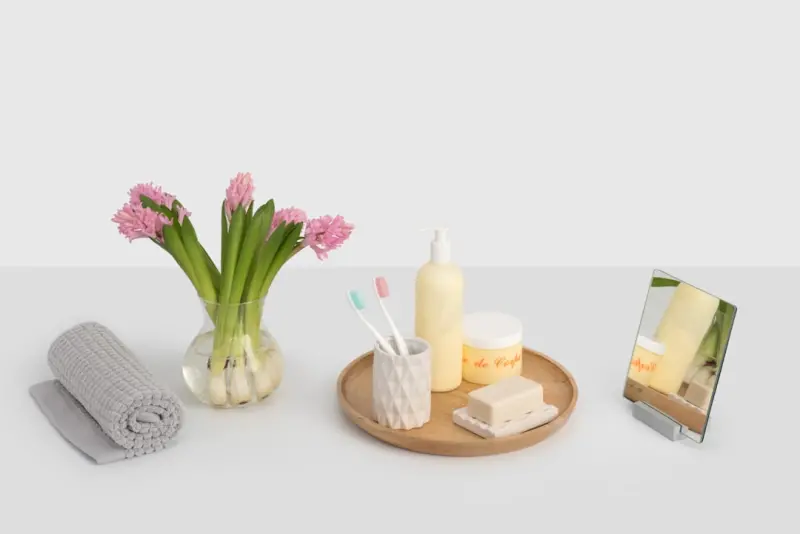
The Power of Personal Care Rituals in a Digital‑First World
A deep dive into holistic personal care routines that blend physical, sensory, and digital hygiene, ... Read More
Why Less Is More: Mastering Minimalist Personal Care
A fresh look at personal care: learn why stripping back to essentials improves skin health, cuts was... Read More

Crafting a Daily At‑Home Spa: A Blueprint for Creative Calm
Discover a step‑by‑step guide to creating a calming at‑home spa that blends light, scent, soun... Read More
Top Posts

Turn Your Home Into a Productivity Powerhouse Without Adding Square Footage
A practical guide to transforming everyday spaces—like entryways, kitchens, and micro‑zones—into productivity‑boosting zones using light, invisible stor...Read More
The Quiet Revolution: How AI Is Redefining Corporate Sustainability
A deep dive into AI’s emerging role in corporate sustainability, offering practical insights on leveraging intelligent tools for greener, more resilient busin...Read More

The Healing Power of Laughter: Turning Everyday Humor into Health Benefits
Explore the science behind why laughter boosts immunity, reduces stress, and protects heart health, and learn actionable ways to make humor a daily health habit...Read More

Texture‑Driven Personal Care: Why Feel Matters More Than You Think
Discover the power of texture in daily routines, from warm mugs to cool rollers, and learn how subtle sensory cues can transform personal care into a strategic ...Read More
0 Comments
Post Comment
You will need to Login or Register to comment on this post!