

Micro‑Habits That Transform Your Home Into a Quiet Powerhouse
When I first moved into my downtown loft, the space felt like a blank canvas—full of potential but also a little chaotic. I quickly realized that the real magic didn’t come from massive remodels or the latest smart‑home gadgets; it emerged from the tiny, intentional actions I started taking every day. These micro‑habits don’t demand a budget overhaul or a weekend of DIY drama. Instead, they weave subtle, sustainable upgrades into the rhythm of your life, making your home feel calmer, more efficient, and surprisingly more joyful.
Why Micro‑Habits Matter More Than Grand Gestures
Most home‑improvement advice focuses on big projects: a new kitchen island, a fresh coat of paint, or a high‑tech thermostat. While those can be transformative, they also come with steep costs, long timelines, and the inevitable “I wish I’d thought of that sooner” regret. Micro‑habits, on the other hand, are:
- Low‑effort: They take minutes, not days.
- Low‑cost: Often they’re free or involve inexpensive items you already own.
- Highly adaptable: You can start, stop, or tweak them as your needs evolve.
- Compoundable: Small wins add up, creating a ripple effect that improves comfort, energy use, and even mental clarity.
Think of them as the compound interest of home living—tiny deposits that grow into a thriving, well‑balanced environment.
1. Morning Light Ritual: Set the Tone Without a Fancy Light Panel
Sunlight is nature’s most reliable mood booster, yet many of us keep curtains drawn until the coffee is ready. Try this:
- Leave your bedroom curtains slightly ajar before you go to sleep.
- Place a small mirror opposite a window to bounce early morning light onto your nightstand.
- When you rise, spend just two minutes near the light—stretch, breathe, and set a simple intention for the day.
This quick habit does three things: it cues your circadian rhythm, reduces reliance on artificial lighting, and gently nudges your brain into a productive state. Over weeks, you’ll notice a subtle lift in energy levels without the need for costly “smart” lighting systems.
2. The 5‑Minute Declutter Sprint
Clutter is the silent thief of peace. Instead of tackling the whole house, set a timer for five minutes and pick a single zone—maybe the entryway, the top of your fridge, or the bathroom counter. Remove anything that doesn’t belong, return it to its proper spot, and wipe the surface.
Why five minutes? It’s short enough to feel doable, yet long enough to create a visible change. The habit builds momentum, and soon you’ll find yourself naturally reaching for the timer whenever you walk through a room.
3. Sound‑Smart Solutions for a Quieter Home
Noise pollution isn’t just an urban problem; it seeps into apartments, home offices, and even the quietest bedrooms. While some may invest in acoustic panels, there’s a simpler, more aesthetic approach.
Start with soft furnishings: a plush rug, heavy curtains, and fabric‑covered furniture absorb sound without looking clinical. Add sound‑smart solutions like a bookshelf filled with books against a wall that doubles as a diffusion barrier. Even a decorative wall tapestry can act as a sound‑dampening canvas.
For the occasional echo‑prone space, try a DIY “acoustic jar”—a glass jar filled with rice or beans, sealed, and placed strategically. The subtle rustle diffuses high‑frequency sounds and adds a gentle, soothing hum to the environment.
4. Creative Storage Tricks That Keep You Moving
When you’re constantly hunting for a pen, a pair of headphones, or a spare charger, you waste mental bandwidth that could be spent on more meaningful tasks. The answer isn’t a massive closet overhaul; it’s clever, adaptable storage.
Consider the following:
- Magnetic Strips: Attach them behind your desk or inside a cabinet door to hold metal tools, spice tins, or even a small set of keys.
- Hook Racks on the Underside of Shelves: Perfect for hanging headphones, reusable water bottles, or yoga straps.
- Rolling Carts with Drawers: These can serve as mobile “command centers” for your home office, moving with you from room to room.
For a deeper dive into modular storage, explore our guide on creative storage tricks. The key is to make storage an extension of your daily flow, not an after‑thought.
5. The “Two‑Minute Kitchen Reset”
Cooking is a joy, but a chaotic kitchen can drain your enthusiasm. The two‑minute reset is a nightly habit that takes the edge off the mess:
- Set a timer for 120 seconds as soon as you finish dinner.
- Load the dishwasher or fill the sink with soapy water.
- Wipe down counters and the stove top with a microfiber cloth.
- Take a quick inventory—note any groceries that need restocking or produce that’s going bad.
The result? A kitchen that feels ready for the next culinary adventure, and a mind that appreciates the order you’ve created. Over time, you’ll also notice less food waste and a smoother grocery shopping routine.
6. Seasonal Scent Swaps for Mood Management
Scents are powerful mood regulators. By rotating aromas with the seasons, you can subtly influence energy levels and emotional tone.
Spring? Try citrus blends like lemon or grapefruit for an uplifting vibe.
Summer? Light lavender or eucalyptus keep the space feeling breezy.
Fall? Warm cinnamon or clove promotes coziness.
Winter? A hint of vanilla or sandalwood adds comfort without overwhelming the senses.
DIY a simple scent diffuser with a small glass jar, a cotton ball, and a few drops of essential oil. Replace the oil weekly for a fresh, consistent experience.
7. The “One‑Item‑One‑Place” Rule for Home Office Efficiency
Remote work has turned many living rooms into makeshift offices, and with that comes the danger of an ever‑growing “desktop graveyard.” Adopt the “one‑item‑one‑place” rule: every tool, gadget, or document has a designated home.
Use a small, stylish tray for daily essentials—pens, a notepad, your phone. Keep a dedicated drawer for paperwork, and employ cable organizers to tame the inevitable tangle of chargers. The habit reduces visual clutter and saves you the mental load of hunting for items during a busy workday.
8. Evening Wind‑Down Light Routine (No Fancy Gadgets Required)
Before bed, we often reach for our phones, tablets, or the bright overhead lights, signaling to our brain that it’s still “on.” Instead, create a low‑effort wind‑down routine:
- Dim the main lights to 30% using a simple dimmer switch or a floor lamp with a lower-wattage bulb.
- Swap your phone’s blue light filter for a warm amber hue.
- Light a scented candle or an oil diffuser with a calming scent like chamomile.
- Spend five minutes reading a physical book, focusing on breath, or journaling gratitude.
This practice not only prepares your body for restful sleep but also signals to your nervous system that the day is concluding, fostering a smoother transition into nighttime.
9. Green Touches Without a Full‑Blown Garden
You don’t need a sprawling indoor garden to reap the benefits of greenery. A few well‑placed houseplants can improve air quality, reduce stress, and even boost productivity.
Choose low‑maintenance varieties like snake plant, pothos, or ZZ plant. Place them on windowsills, atop a bookshelf, or hang them in macramé planters near your desk. Even a single trailing vine can soften a hard edge and bring a touch of nature to your daily routine.
10. The “Micro‑Movement Break” Throughout the Day
While we’ve covered micro‑movements in a health‑focused post, applying them specifically to the home environment adds another layer of benefit. Set a gentle reminder every hour to stand, stretch, or do a quick, intentional movement—like a cat‑cow stretch in the kitchen while waiting for coffee.
These brief bursts improve circulation, prevent stiffness, and create a natural pause that can help you refocus. Over time, you’ll notice a subtle lift in energy that doesn’t rely on caffeine or screen time.
Putting It All Together: A Sample Day of Micro‑Habits
To illustrate how these habits interlock, here’s a snapshot of a typical weekday for me:
- 6:30 am – Open curtains slightly, let morning light fill the bedroom, and spend two minutes stretching.
- 7:00 am – 5‑minute declutter sprint in the entryway; put shoes, mail, and keys in their designated spots.
- 7:15 am – Prepare breakfast while the kitchen reset timer runs; wipe counters as soon as the coffee brews.
- 9:00 am – Quick “one‑item‑one‑place” check on my desk, ensuring pens and notebooks are neatly arranged.
- 10:00 am – 2‑minute micro‑movement break: stand, stretch arms overhead, rotate shoulders.
- 12:30 pm – Swap in a citrus scent for a midday boost; enjoy a brief walk outside for natural light.
- 3:00 pm – Sound‑smart check: adjust a rug to dampen hallway echo, add a soft wall tapestry.
- 6:00 pm – Evening wind‑down light routine: dim lights, light a lavender candle, journal for five minutes.
- 9:00 pm – Place a small pot of snake plant on the nightstand for a touch of green before sleep.
Each habit takes less than a minute to initiate, yet together they craft a home that feels organized, soothing, and energizing.
Final Thoughts: Embrace the Ripple Effect
The beauty of micro‑habits lies in their scalability. Start with one or two that resonate most with your lifestyle, and let the momentum carry you forward. As you observe the subtle improvements—fewer misplaced items, a calmer mind, lower energy bills—you’ll naturally be motivated to add more. Over weeks and months, those tiny actions coalesce into a home that isn’t just a place to live, but a supportive partner in your daily success.
Remember, the goal isn’t perfection; it’s progress. So choose the habit that feels most doable right now, commit to it for a week, and watch how the rest of your environment starts to respond. Your home is waiting—quiet, organized, and ready to become your most powerful ally.

Lauren Miller is a true outdoors enthusiast who has found her passion in the trades. When she's not working hard on the job, you can find her writing, camping, fishing, and exploring all that nature has to offer. A dedicated partner to her wife Beth, Lauren loves nothing more than spending quality time together and experiencing the great outdoors side by side.
Related Posts
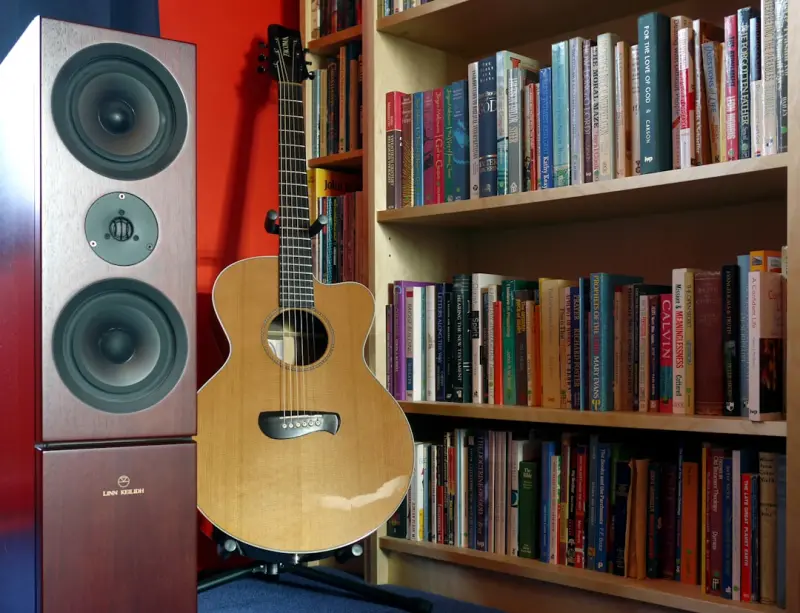
Quiet Corners: Simple Acoustic Fixes for a Calmer Home
A practical guide to making your home quieter: from adding rugs and curtains to DIY acoustic panels ... Read More

Passive Comfort: How to Let Your Home Regulate Itself Naturally
Discover practical, low‑tech ways to harness sunlight, thermal mass, insulation, and natural venti... Read More

Seasonal Home Refresh: Simple Swaps to Keep Your Space Fresh
Learn how to effortlessly revitalize your home each season with smart lighting, textile rotations, n... Read More
Top Posts

The Quiet Power of Employee Advocacy: Turning Your Workforce Into a Growth Engine
Employee advocacy goes beyond simple social sharing; it aligns purpose, empowers staff with the right tools, and creates a recognition loop that drives real bus...Read More
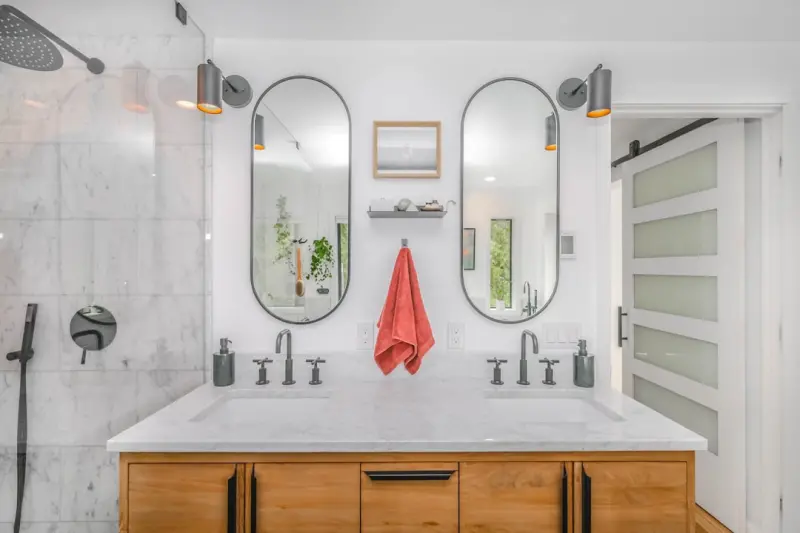
Turning Your Bathroom into a Mindful Sanctuary: The Art of Intentional Grooming
Learn to transform everyday grooming into a calming ritual by integrating sensory cues, better water quality, breathwork, and sustainable products, creating a p...Read More

Mapping Memory: How Curating Souvenirs Turns Travel into a Personal Archive
Explore the art of purposeful souvenir collecting, turning each trinket into a tangible memory anchor that enriches travel narratives, supports sustainable prac...Read More

Vertical Harvest: Turning Tiny Balconies into Food‑Rich Gardens
Discover the step‑by‑step guide to turning a modest balcony into a thriving vertical garden, packed with herbs, greens, and compact fruits for year‑round ...Read More
0 Comments
Post Comment
You will need to Login or Register to comment on this post!