
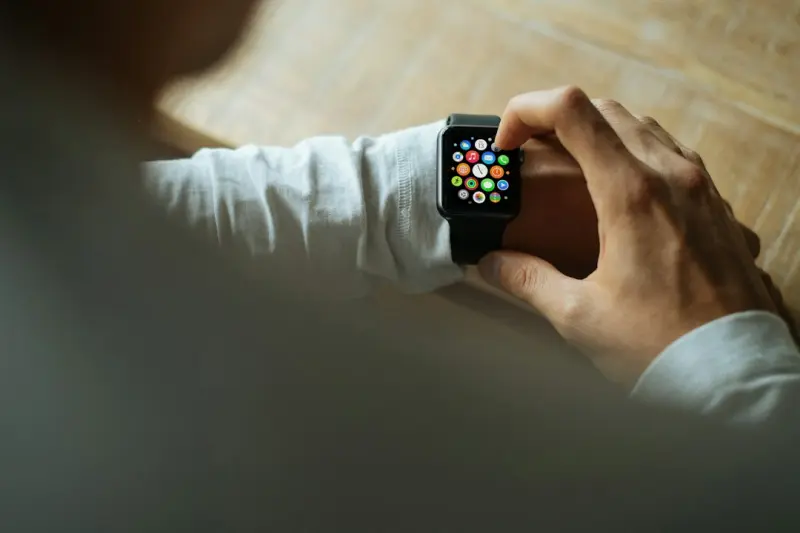
Why Personal Care Is Going Digital—and Why That’s Exciting
When I first started swapping out my old razor for a sleek, app‑enabled electric model, I didn’t realize I was stepping into a broader movement. Personal care, once the domain of simple soaps and static routines, is now a playground for sensors, AI, and sustainable design. It feels a bit like being handed a new set of brushes for a masterpiece you’ve been painting for years. The canvas is still you, but the tools have gotten smarter, more intuitive, and surprisingly more personal.
The Rise of Skin‑Sensing Wearables
Imagine a thin patch you stick on your forearm that tracks hydration, oil levels, and even UV exposure in real time. Data streams to your phone, suggesting when to moisturize, which serum to use, or whether it’s a good day for a light makeup look. Companies are already rolling out devices that sync with skincare apps, turning the age‑old “listen to your skin” advice into a quantified, actionable insight.
What makes this shift compelling isn’t just novelty. It’s the ability to move from reactive care—seeing a dry patch and reaching for a cream—to preventative care, where you can address imbalances before they manifest. The feedback loop is fast, personal, and data‑driven, allowing you to experiment with products without the usual guesswork.
Smart Mirrors: Your New Personal Coach
Step in front of a mirror that not only reflects your image but also analyses it. Built‑in cameras evaluate skin texture, detect early signs of discoloration, and even recommend lighting settings that flatter your complexion. Some models integrate voice assistants, letting you ask, “What’s my skin’s pH today?” or “Do I need a deeper cleanse?” and receive instant, evidence‑based advice.
Beyond aesthetics, smart mirrors are becoming mental‑wellness tools. By displaying calming visualizations during your morning routine, they can set a tone of mindfulness that carries through the day. It’s a subtle, tech‑infused nudge toward a more intentional start to your day.
Zero‑Waste Gadgets: Sustainability Meets Innovation
One of the biggest criticisms of tech‑heavy personal care is the potential for electronic waste. The good news? Designers are embracing circular economy principles. Rechargeable grooming devices, biodegradable sensor patches, and refillable fragrance cartridges are now mainstream. When your smart razor’s battery runs low, you pop it into a magnetic charger rather than tossing the whole unit.
This approach does more than reduce landfill impact; it reshapes the consumer‑product relationship. You’re no longer a one‑time buyer, but a participant in an ongoing service model. Your device’s firmware updates, for instance, can improve algorithmic accuracy without you ever needing a new hardware version.
Integrating Personal Care With Mental Health Apps
Self‑care isn’t just about the surface. A growing number of platforms are linking biometric data from wearables to mental‑health dashboards. When your heart‑rate variability spikes during a shower, the app can suggest a short breathing exercise or a calming playlist. Conversely, if your stress scores drop after a facial massage, the system learns to recommend that practice more often.
For those of us juggling remote work, these integrations become a silent ally. By surfacing patterns—like a correlation between late‑night screen time and increased skin redness—you can make smarter lifestyle choices without feeling overwhelmed by data.
How to Build Your Own Smart Care Routine
- Start Small. Add one device at a time. A skin‑sensing patch can be a gentle entry point before you invest in a full smart mirror suite.
- Choose Interoperable Platforms. Look for products that sync via common standards (e.g., Apple Health, Google Fit). This ensures your data stays in one place and can be leveraged across apps.
- Set Clear Goals. Are you aiming for better hydration, clearer skin, or a calmer mindset? Defining outcomes helps the algorithms tailor recommendations that actually matter to you.
- Embrace the Feedback Loop. Review weekly summaries. Notice trends, adjust product usage, and celebrate small wins. This habit reinforces the value of the tech you’ve adopted.
- Mind the Sustainability Angle. Opt for devices with recyclable packaging and refill programs. Your personal care routine can be cutting‑edge and eco‑friendly simultaneously.
Real‑World Example: From Dull Mornings to Data‑Driven Radiance
I recently incorporated a skin‑sensing patch into my routine. Over a month, the data showed my skin’s hydration dipped noticeably on days I skipped breakfast. Armed with this insight, I added a quick electrolyte drink in the morning. The patch’s app highlighted a 15% rise in moisture levels within two weeks, and my mirror’s AI confirmed a smoother complexion.
The experience felt like having a personal dermatologist on call—except it was all in my pocket. It also sparked a subtle shift: I began paying more attention to the small, seemingly unrelated habits that influence my skin, such as water intake, sleep quality, and even the type of pillowcase I used.
Connecting the Dots With Existing Resources
If you’re curious about how personal care can intersect with broader wellness strategies, you might find this piece on turning grooming into a strategic advantage useful. It explores how intentional routines amplify professional performance—a concept that dovetails nicely with today’s tech‑enabled approach.
For those looking to combine physical movement with mindfulness, the guide on tiny health hacks for busy lives offers simple practices that can be layered onto your smart routine, enhancing both body and mind.
The Future: AI‑Powered Personal Care Advisors
Looking ahead, the next frontier is conversational AI that can act as a personal care advisor. Imagine asking, “What should I do after a high‑stress meeting?” and receiving a multi‑modal response: a recommendation to use a cooling face roller, a guided breathing sequence, and a playlist curated to lower cortisol.
These AI assistants will draw from a rich tapestry of data—your skin metrics, sleep patterns, calendar events, and even seasonal weather trends—to craft hyper‑personalized suggestions. The goal isn’t to replace human expertise but to augment it, delivering timely nudges that keep you feeling balanced and confident.
Wrapping Up: Embrace the Blend of Tech and Tenderness
Personal care is evolving from a static set of habits into a dynamic, data‑informed practice. The technology is only as good as the intention behind it, so it’s vital to stay anchored in what feels nurturing to you. Whether you’re a tech enthusiast or a skeptic, the tools are now flexible enough to meet you where you are.
Start with one smart device, observe the feedback, and let the insights guide gentle adjustments. Over time, you’ll discover a rhythm where technology and tenderness co‑exist, turning everyday grooming into a sophisticated, sustainable, and truly personal experience.

Lauren Miller is a true outdoors enthusiast who has found her passion in the trades. When she's not working hard on the job, you can find her writing, camping, fishing, and exploring all that nature has to offer. A dedicated partner to her wife Beth, Lauren loves nothing more than spending quality time together and experiencing the great outdoors side by side.
Related Posts
Ritual Alchemy: Turning Everyday Personal Care into a Moment of Magic
A simple, intentional routine—combining space, scent, and mindful steps—can turn everyday person... Read More
Sleep Hygiene: The Missing Piece in Your Personal Care Routine
Learn why sleep is a core personal care habit, explore sanctuary‑building tips, and adopt rituals ... Read More
Personal Care as a Strategic Edge: Crafting a Performance‑Fueling Morning Routine
Learn how a purposeful, tech‑enhanced personal care routine can sharpen focus, reduce stress, and ... Read More
Top Posts

How AI Can Teach Brands to Listen: Turning Data into Empathy
Discover how an AI‑powered empathy engine can turn raw sentiment into actionable insight, enabling brands to listen, respond, and build lasting, human‑centr...Read More
Cold Exposure Therapy: Unlocking the Hidden Health Benefits of the Chill
Cold exposure therapy isn’t just a trendy challenge—it’s a science‑backed practice that activates brown fat, boosts immunity, and sharpens mood. Learn p...Read More
Biophilic Personal Care: Nature‑Inspired Grooming for the Modern Professional
Discover how integrating natural elements, microbiome‑friendly formulas, and smart lighting into daily grooming can boost focus, skin health, and overall well...Read More

Turn Your Living Space into a Productivity Power‑Hub
Learn how to map energy zones, optimize lighting, sound, and scent, and use smart automation to turn any home into a productivity powerhouse....Read More
0 Comments
Post Comment
You will need to Login or Register to comment on this post!