

Imagine walking into your living room and feeling instantly refreshed, as if you’d just stepped outside on a breezy, sun‑kissed morning. That feeling isn’t magic—it’s the result of intentional design that brings the outdoors inside. In this guide I’ll walk you through the science‑backed, practical steps to transform any home into a biophilic sanctuary that lifts mood, sharpens focus, and quietly fuels daily energy.
Why Nature Matters Inside Your Home
Our ancestors spent the majority of their lives outdoors, attuned to cycles of light, temperature, and natural sounds. Modern architecture, however, often isolates us from these cues, leading to fatigue, reduced concentration, and even subtle mood dips. Research in environmental psychology shows that exposure to natural elements—even simulated ones—triggers the release of dopamine and serotonin, the brain’s “feel‑good” chemicals. By weaving nature into walls, floors, and furnishings, you recreate those evolutionary benefits without stepping outside.
Light as Living Energy
Sunlight is the most powerful, free resource for health. It regulates circadian rhythms, supports vitamin D synthesis, and enhances alertness. Here’s how to harness it:
- Maximize Window Real Estate: Keep window treatments minimal. Sheer curtains let diffused light in while maintaining privacy.
- Strategic Mirror Placement: Mirrors opposite windows bounce light deeper into rooms, brightening corners that otherwise stay dim.
- Layered Lighting: Combine ambient overhead fixtures with task lamps and warm floor lights to mimic the gradual transition of natural daylight.
- Smart Light Solutions: Use tunable LED bulbs that shift from cool, energizing hues in the morning to warm, calming tones in the evening, aligning with your body’s rhythm.
Air Flow and Breathable Spaces
Stale indoor air can sap energy faster than a long commute. Good ventilation not only improves oxygen levels but also reduces indoor pollutants that affect cognitive performance.
- Cross‑Ventilation: Open windows on opposite sides of a room to create a gentle breeze. Even a small, consistent airflow refreshes the space.
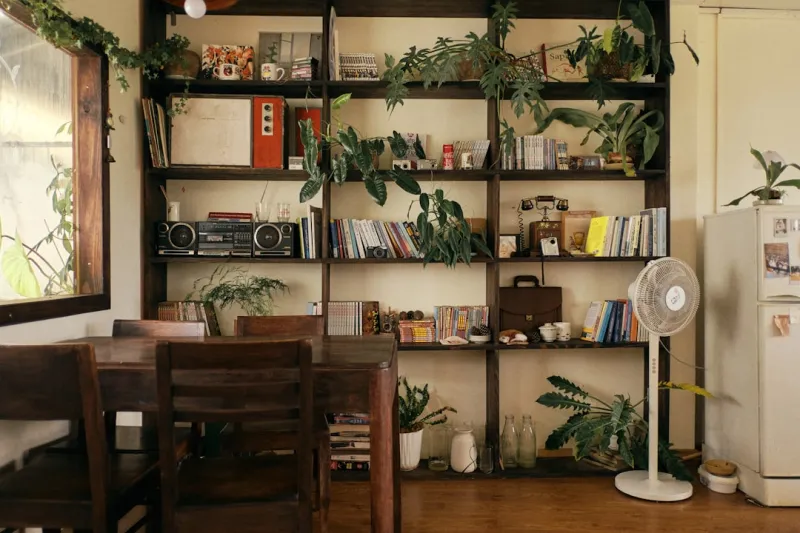
- Houseplants as Natural Filters: Certain species—like the peace lily, snake plant, and spider plant—absorb formaldehyde, benzene, and carbon dioxide, cleaning the air while adding greenery.
- Air‑Purifying Devices: If outdoor air quality is poor, consider a HEPA filter or an ionizer to keep indoor air crisp without sacrificing comfort.
Plant Power: Choosing the Right Green Companions
Plants are the heart of biophilic design, but not all are created equal. Here’s a quick guide to picking the right greenery for different rooms and lifestyle constraints:
- Low‑Light Legends: ZZ plant, pothos, and philodendron thrive in dim corners, making them perfect for hallways or north‑facing rooms.
- Air‑Cleaning Heroes: As mentioned, snake plants and peace lilies work overtime to detoxify indoor air.
- Statement Species: A tall fiddle leaf fig or a dramatic monstera can become a focal point in living rooms, adding both height and visual interest.
- Pet‑Safe Picks: If you share your home with furry friends, opt for spider plants, Boston ferns, or baby’s tears to avoid toxic mishaps.
Remember, a thriving plant is a low‑maintenance one. Start small, observe the light patterns in each room, and adjust placements as needed.
Textures that Whisper Nature
Beyond sight and scent, texture grounds us in the present. Natural materials like wood, stone, and woven fibers create a tactile dialogue with the environment.
- Wooden Accents: A reclaimed‑wood coffee table or bamboo flooring adds warmth and a subtle organic aroma.
- Stone Surfaces: Slate tiles in bathrooms or a marble countertop in the kitchen introduce cool, grounding textures.
- Textile Layers: Linen curtains, jute rugs, and wool throws echo the feel of natural fibers, inviting you to touch and relax.
Mixing textures also adds depth, preventing the space from feeling flat. Pair a smooth ceramic vase with a rough, hand‑woven basket for visual and tactile contrast.
Soundscapes for Calm
Ambient sound is often overlooked in home design, yet it shapes our emotional landscape. A gentle water feature, rustling leaves, or even a low‑volume playlist of forest sounds can lower cortisol levels and improve focus.
- Water Elements: A small tabletop fountain creates a soothing, rhythmic backdrop without taking up much space.
- Natural Acoustic Materials: Cork wall panels and plush rugs absorb echo, making rooms feel cozier and quieter.
- Curated Playlists: Use streaming services to loop nature soundscapes—rainfall, bird song, or distant waves—during work or relaxation periods.
Putting It All Together: A Step‑by‑Step Blueprint
Now that you have the building blocks, here’s a practical roadmap to implement biophilic design without overwhelming yourself.
- Audit Your Light: Walk through each room at different times of day. Note where natural light peaks and where shadows linger. Use this map to decide where to place mirrors and which windows to keep unobstructed.
- Choose a Plant Palette: Start with three easy‑care plants that match the light conditions you identified. Position them where they’ll receive appropriate exposure and become visual anchors.
- Introduce Textural Layers: Add one natural material per room—think a jute rug in the living area, a wooden tray on the coffee table, or a stone coaster set in the kitchen.
- Upgrade Lighting: Replace a single harsh overhead bulb with a dimmable, tunable LED fixture. Add a bedside lamp with a warm hue to promote evening relaxation.
- Boost Air Flow: Open windows for a few minutes each morning. If you have a central HVAC system, replace filters regularly and consider adding an air‑purifying unit.
- Create a Sound Corner: Place a small fountain or a Bluetooth speaker in a corner and set a nature playlist for background ambience during work or reading.
- Maintain and Evolve: Schedule a monthly “home refresh” where you rotate a plant, swap a textile, or tweak lighting. Small, consistent tweaks keep the space feeling alive.
Maintaining the Living Home
Biophilic design is a living system; it evolves with you. Here are a few habits to keep the momentum:
- Weekly Plant Check‑In: Look for yellowing leaves, drooping stems, or pests. Adjust watering schedules and light exposure accordingly.
- Seasonal Light Adjustment: As days shorten, move mirrors to capture more light or incorporate brighter lamp shades.
- Rotate Textiles: Switch out blankets and cushions seasonally to keep fabrics fresh and aligned with the changing climate.
- Refresh Soundscapes: Update playlists to reflect the time of day—morning birds, midday rain, evening crickets.
If you’re already exploring ways to make everyday life smoother, you might have come across practical home hacks that focus on convenience. While those tips are invaluable for streamlining chores, biophilic design goes a step further by enriching the emotional and physiological experience of your space.
Similarly, the principles behind re‑imagining workspaces for mental wellness can be adapted to the home environment. By applying color psychology and curiosity‑driven layouts, you can create rooms that not only look beautiful but also nurture your mental health throughout the day.
Embracing biophilic design is less about a single overhaul and more about a series of mindful choices that align your home with the rhythms of nature. The payoff? A space that quietly restores you, fuels creativity, and turns everyday living into an uplifting, health‑promoting ritual.

Amanda is a passionate writer exploring a kaleidoscope of topics from lifestyle to travel and everything in between.
Related Posts

Seasonal Home Refresh: Simple Swaps to Energize Every Room
Learn how to revitalize your space with textile changes, lighting tricks, scent strategies, and smar... Read More

Pet‑Friendly Home Design: Stylish Solutions for Furry Friends
Learn how to blend durability, safety, and style in every room, creating a pet‑friendly home that ... Read More

How to Refresh Your Home Every Season Without Breaking the Bank
Discover practical, low‑cost strategies to give your home a fresh look each season, from swapping ... Read More
Top Posts

Cold Therapy at Work: Boost Energy and Immunity with Simple Chills
Integrating short bursts of cold—like a face splash or a quick ice‑water hand dip—into the workday can activate the sympathetic nervous system, improve ci...Read More

AI Knowledge Graphs: Turning Data Into Strategic Insight
AI‑powered knowledge graphs transform scattered data into a living map of product, customer, and market insights, enabling faster decisions, proactive product...Read More

When Night Falls: Synchronizing Sleep and Personal Care for a Radiant Tomorrow
Discover a rhythm‑based evening routine that respects your circadian rhythm, using simple steps like dimming lights, a digital curfew, and temperature‑wise ...Read More
How a Garden Desk Transformed My Home Life
From a sunny patch to a thriving workspace, a garden desk changed my daily routine, family dynamics, and creative flow—learn how to create your own outdoor sa...Read More
0 Comments
Post Comment
You will need to Login or Register to comment on this post!