
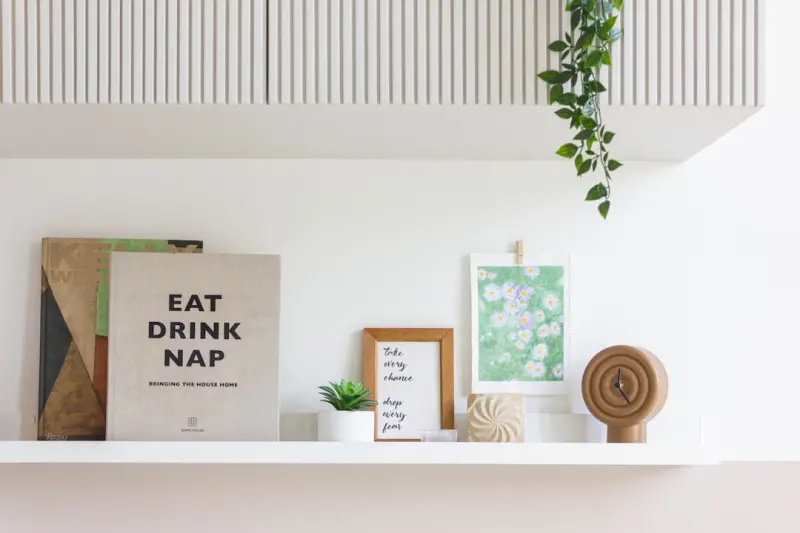
Unlocking the Hidden Potential of Your Home: A Practical Guide to Everyday Comfort
When I first started juggling freelance projects and family life, my house felt like a battlefield—cluttered countertops, mismatched furniture, and a never‑ending list of “to‑dos” that seemed to multiply overnight. I realized that the true secret to a smoother, more enjoyable home isn’t about buying the latest gadget or redesigning the entire space; it’s about strategic, low‑effort tweaks that align with how you live, work, and unwind. Below is the playbook I’ve built from trial, error, and a lot of coffee. Think of it as a home‑hacking handbook that anyone can adapt, whether you’re in a studio apartment or a sprawling suburban house.
1. Map Your Home’s Traffic Flow
Just as you would analyze a website’s user journey, start by observing how you move through your home. Grab a notebook and track a typical day for a few days. Note:
- Where you spend the most time (kitchen, couch, desk)
- What routes feel cramped or cause friction (doorways, hallway corners)
- Any “dead zones” where items tend to accumulate
Seeing these patterns on paper helps you pinpoint high‑impact adjustments. For example, if your coffee machine sits across a cluttered island, you’ll end up making extra trips—repositioning it can shave minutes off your morning routine.
2. Declutter With Purpose, Not Panic
We’ve all heard the mantra “if it doesn’t spark joy, let it go.” While that works for personal items, home decluttering demands a functional lens. Ask yourself:
- Does this item serve a daily need?
- Can it be stored more efficiently?
- Is there a digital alternative?
When you’re stuck, consider a digital declutter approach: move paperwork to scanned PDFs, use cloud‑based task managers, and archive old receipts. The result is a cleaner surface area, reduced visual noise, and a calmer mind.
3. Create Micro‑Zones for Specific Activities
Instead of trying to force a single room to do everything, carve out micro‑zones—small, dedicated spaces for focused activities. Think of a “reading corner” by the window, a “quick‑prep kitchen station” with a cutting board and a set of essential knives, or a “charging dock” on the entryway table. These zones serve two purposes:
- They reduce decision fatigue (you know exactly where to go for each task).
- They help contain messes to a defined area, making cleanup faster.
Even in a studio, a simple floor lamp and a small side table can transform a corner into a cozy nook, signaling to your brain that it’s time to unwind.
4. Optimize Lighting for Mood and Productivity
While we won’t rehash the smart outdoor lighting trends, the interior lighting game is equally vital. Mix three layers:
- Ambient: Overhead fixtures or LED panels that provide overall illumination.
- Task: Adjustable desk lamps or under‑cabinet lights for reading and cooking.
- Accent: Small LED strips or floor lamps that create visual interest.
Use warmer hues (2700‑3000K) in relaxation areas and cooler whites (4000‑5000K) in work zones to cue your brain for rest or focus.
5. Leverage Smart Storage Solutions
Storage doesn’t have to be bulky or expensive. Here are some budget‑friendly ideas:
- Vertical Shelving: Utilize wall space with narrow, tall shelves for books, plants, or decorative boxes.
- Under‑Furniture Drawers: Slide drawer units beneath beds or sofas to stash linens or seasonal clothing.
- Multi‑Purpose Furniture: Opt for ottomans or benches with hidden compartments.
When you store items by category—“everyday essentials,” “seasonal,” “rarely used”—you instantly know where to find them and reduce the mental load of hunting.
6. Introduce Gentle Soundscapes
Acoustics can make or break a home’s comfort. Hard floors and bare walls amplify echo, while soft textiles dampen it. Consider adding:
- Rugs and Carpets: Thick rugs absorb footfall noise and add warmth.
- Fabric Wall Hangings: Tapestries or acoustic panels double as art.
- Soft Close Mechanisms: Install soft‑close hinges on cabinets to eliminate harsh clicks.
These subtle changes create a quieter environment, which is especially beneficial if you work from home or have kids studying.
7. Streamline Your Kitchen Workflow
The kitchen is the home’s command center, yet it’s often the most chaotic space. Apply the “three‑step zone” principle:
- Prep Zone: Near the sink, keep knives, cutting boards, and a bowl of frequently used spices.
- Cook Zone: Around the stove, store pots, pans, and cooking utensils.
- Clean‑Up Zone: Adjacent to the dishwasher, have a basket for dirty dishes and a trash bin within arm’s reach.
By assigning specific tasks to distinct areas, you’ll glide through cooking without back‑tracking. Add a magnetic strip for knives and a pegboard for hanging spatulas to keep countertops clear.
8. Implement a “One‑Touch” Rule for Entryways
The entryway sets the tone for the rest of the home. A simple rule—everything that comes in must have a designated “home” within a single reach—prevents piles of shoes, bags, and mail from turning the space into a hallway graveyard. Install:
- A shoe rack or cubby.
- A wall‑mounted mail organizer.
- A small bench with a hidden compartment for keys.
When each item has a spot, you’ll spend less time searching and more time enjoying the moment.
9. Refresh Your Home’s Air Quality
Good air is the unseen foundation of comfort. While high‑tech air purifiers are an option, you can start small:
- Open windows for 10‑15 minutes each morning to allow fresh air circulation.
- Place houseplants known for filtering pollutants (e.g., snake plant, pothos).
- Swap out synthetic fragrances for essential‑oil diffusers with calming scents like lavender.
These practices boost oxygen flow, reduce allergens, and enhance overall well‑being.
10. Build a Personal “Reset” Corner
Life moves fast, and you deserve a place to hit the reset button. Choose a quiet corner and equip it with:
- A comfortable chair or floor cushion.
- A small side table for a journal or a tablet.
- A soft throw blanket.
- A low‑light lamp or candles.
Spend five minutes each day here—meditate, journal, or simply breathe. This micro‑ritual can dramatically improve mental clarity and help you transition between work and home life.
11. Make Maintenance a Habit, Not a Project
Seasonal deep‑cleaning can feel overwhelming. Instead, adopt a micro‑maintenance schedule:
- Monday: Wipe down kitchen counters and appliances.
- Wednesday: Vacuum high‑traffic areas.
- Friday: Spot‑clean bathroom fixtures.
- First Saturday of the month: Check smoke detectors and replace batteries.
These bite‑size tasks keep your home in top shape without the need for a massive weekend overhaul.
12. Sync Home Systems with Your Lifestyle
While we won’t dive into the world of full‑scale home automation, small integrations can save time and energy. For instance, use a smart plug to schedule your coffee maker to start brewing when you wake up, or connect a timer to your hallway lights so they turn on automatically at dusk. These modest tweaks streamline daily routines and free up mental bandwidth for more important decisions.
13. Personalize with Meaningful Details
Finally, a home is more than efficiency; it’s a reflection of who you are. Add personal touches that spark joy—family photos, travel souvenirs, or a rotating gallery of art you love. These elements anchor you emotionally, turning a functional space into a sanctuary.
By combining thoughtful design, purposeful decluttering, and tiny tech enhancements, you can transform any dwelling into a haven of comfort, productivity, and peace. Remember, the goal isn’t to reinvent the wheel; it’s to fine‑tune the vehicle you already have, making every mile smoother and more enjoyable.
Ready to Get Started?
Pick one of the above strategies that resonates most with your current challenges and commit to implementing it this week. Small, consistent changes compound into a dramatically better living experience. Your home is your daily partner—treat it with the same care you’d give a trusted teammate, and watch how it elevates every aspect of your life.

Brad Hays is a freelance writer known for his versatile skill set and ability to craft compelling content across a wide range of industries.
Related Posts
Soundscaping Your Home: Simple Hacks for a Calmer, More Focused Space
Learn how to transform any living space into a sound sanctuary with low‑cost rugs, DIY acoustic pa... Read More

Silent Allies: Harnessing Scent and Sound for a Healthier Home
Learn how to turn ordinary rooms into purpose‑driven spaces by using scent layering and acoustic t... Read More
Create a Quiet Oasis at Home: Sound‑Smart Tips
Learn how to transform every room—living area, kitchen, bedroom, and bathroom—into a peaceful sa... Read More
Top Posts

Culinary Cartography: How AR is Redrawing the Food Map of Travel
A deep dive into using AR to map culinary experiences, blending data, sensors, and community insights to create a dynamic flavor guide that reshapes travel navi...Read More

Let the Sun In: Mastering Indoor Light for a Thriving Home Garden
A step‑by‑step guide shows how to measure, match, and enhance indoor sunlight, turning any window into a mini‑greenhouse for a vibrant home garden....Read More
Digital‑Free Sanctuaries: Crafting Home Zones That Let You Unplug and Recharge
Discover practical steps to design digital‑free sanctuaries in your home, from a calming corner to tactile shelves and purposeful retreats, and experience ren...Read More

Reclaiming Play: How Adult Fun Fuels Mental Well‑Being
Discover why integrating playful activities into daily routines can rewire the brain, improve mood, and enhance productivity, offering a fresh, science‑backed...Read More
0 Comments
Post Comment
You will need to Login or Register to comment on this post!