
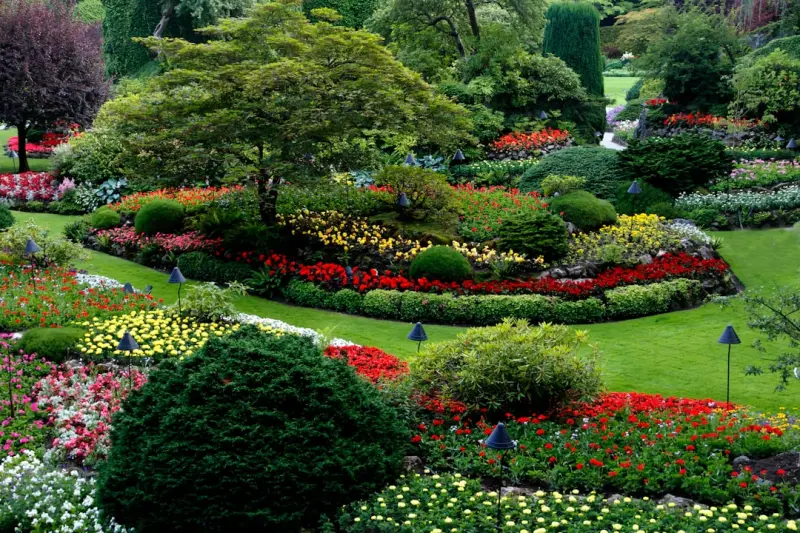
Imagine stepping out onto your patio and being greeted not only by a splash of color but also by the scent of basil, the crisp snap of lettuce, and the promise of fresh strawberries within arm’s reach. This is the magic of edible landscaping—a design philosophy that blurs the line between ornament and nourishment. As someone who has spent countless weekends tinkering with both indoor décor and backyard beds, I’ve learned that a garden can be both a work of art and a pantry. In this post, I’ll walk you through the mindset, planning, and practical steps needed to transform any outdoor space into a living masterpiece that feeds your family and delights the senses.
Why Edible Landscaping Deserves a Spot on Your To‑Do List
Traditional gardening often forces a compromise: you either have a pristine flower bed that looks great on Instagram, or a practical vegetable patch that supplies the kitchen. Edible landscaping removes that dichotomy. By thoughtfully selecting plants that serve both aesthetic and culinary purposes, you get:
- Year‑round visual interest—many edible plants boast vibrant foliage, fragrant blooms, and striking fruit that change with the seasons.
- Reduced grocery bills—home‑grown produce is fresher and often cheaper than store‑bought alternatives.
- Environmental benefits—native edibles support pollinators, improve soil health, and reduce water waste.
- Therapeutic value—tending to a garden that also feeds you creates a deeper connection to the food you eat.
In short, edible landscaping is an investment in both beauty and wellbeing, a trend that aligns perfectly with the growing consumer desire for sustainability and self‑sufficiency.
Setting the Stage: Planning Your Edible Canvas
Before you buy a single seed, take a step back and treat your yard like a blank canvas. Start with a site analysis:
- Sunlight exposure: Map out zones that receive full sun (6+ hours), partial shade, and full shade.
- Soil type: Conduct a simple soil test or feel the texture. Sandy soils drain quickly, while clay retains moisture.
- Microclimates: Look for wind‑protected corners, heat‑reflecting walls, or low‑lying damp areas.
- Existing structures: Consider pathways, walls, fences, and water features that can be incorporated into your design.
Armed with this information, sketch a rough layout. Think in layers—groundcovers, mid‑height shrubs, and vertical accents—just as you would when arranging a living room.
Selecting Dual‑Purpose Plants: Beauty Meets Bite
The heart of edible landscaping lies in plant choice. Here are some crowd‑pleasers that look as good as they taste:
- Herbs as foliage: Lavender, rosemary, and thyme offer silvery foliage and aromatic blooms, perfect for borders.
- Fruit‑bearing shrubs: Dwarf blueberry bushes provide a pop of color with their deep‑green leaves and vibrant berries.
- Leafy greens with texture: Swiss chard’s rainbow stems double as a decorative backdrop.
- Edible vines: Passionfruit and hardy kiwi can climb trellises, adding vertical interest.
- Flowering vegetables: Nasturtiums, kale, and ornamental cabbage showcase striking blossoms while delivering nutrition.
When selecting varieties, prioritize those that thrive in your climate and soil conditions. Local nurseries often carry region‑specific cultivars that are more resilient and low‑maintenance.
Soil & Water: The Foundations of a Flourishing Edible Landscape
Healthy soil is the secret sauce for any garden. Start by amending your beds with organic compost, which improves texture, drainage, and microbial life. If you’re dealing with poor soil, consider raised beds or optimizing light and airflow for healthy plants by elevating the planting surface and ensuring adequate spacing.
Water efficiency is equally crucial. Install a drip‑irrigation system that delivers water directly to the root zone, reducing evaporation. Pair this with mulching—using wood chips, straw, or even shredded leaves—to retain moisture and suppress weeds. For those on tighter budgets, a simple soaker hose connected to a timer can achieve similar results.
Design Principles: Color, Texture, and Structure
Just as an interior designer balances hues and fabrics, an edible landscape thrives on thoughtful composition. Here are three guiding principles:
- Color harmony: Pair deep‑green lettuce with the fiery reds of radishes, or contrast the pale blossoms of jasmine with the bold purple of eggplant.
- Texture contrast: Mix feathery herbs like cilantro with the glossy leaves of rosemary to create visual depth.
- Vertical structure: Use trellises, arbors, or even reclaimed pallets to grow vining crops upward, freeing ground space for low‑lying herbs.
Don’t forget seasonal transitions. Plant spring‑blooming asparagus alongside summer‑ripening tomatoes, ensuring there’s always something in bloom (and on the plate).
Integrating Wildlife: Friends, Not Pests
One of the most rewarding aspects of edible landscaping is the influx of beneficial wildlife. Bees, butterflies, and hummingbirds are drawn to flowering herbs and fruit, enhancing pollination and increasing yields. Install a small bee house or a hummingbird feeder to encourage these allies. If you’re concerned about pests, attract predatory insects—like ladybugs—by planting dill or fennel nearby.
Maintenance Made Simple: Routine Without Regret
Keeping an edible garden looking polished doesn’t have to be a full‑time job. Adopt a weekly rhythm:
- Harvest regularly—many vegetables taste best when picked early, and harvesting encourages continued production.
- Prune dead foliage to maintain air circulation and prevent disease.
- Rotate crops annually in larger beds to avoid nutrient depletion.
- Inspect for pests and address issues with organic solutions—like neem oil or insecticidal soap—before they spread.
When you keep the workload manageable, the garden remains a source of joy rather than a chore.
Smart Storage & Tool Management: Keeping the Garden Tidy
Even the most beautiful garden can look chaotic if tools are scattered around. Implement smart garden storage solutions such as a weather‑proof bench with built‑in compartments or wall‑mounted pegboards for hoses and pruning shears. These ideas not only protect your equipment but also maintain the aesthetic flow of the space.
Garden Soundscapes: Adding a Layer of Serenity
While visual appeal is front‑and‑center, sound can deepen the garden experience. Incorporate subtle water features, rustling grasses, or wind chimes to create a calming backdrop. For a more intentional approach, explore garden soundscapes for serenity—using strategic placement of acoustic elements to soften urban noise and promote relaxation.
Bringing It All Together: A Sample Layout
Here’s a quick walkthrough of a modest 400‑square‑foot backyard design:
- Front border: Plant low‑lying herbs—thyme, oregano, and sage—along the walkway. Their fragrant foliage releases scent with each footstep.
- Mid‑section: Install a raised bed with kale, Swiss chard, and beet greens. Intermix with marigolds to deter nematodes.
- Vertical zone: Set up a trellis against the east fence and grow snap peas and climbing beans, using their vines to soften the wall.
- Corner accent: Plant a dwarf fruit tree—like a Meyer lemon—surrounded by lavender and rosemary for a Mediterranean vibe.
- Relaxation nook: Place a small seating area near a shallow pond, adding water lilies that double as edible leaves for salads.
This arrangement offers year‑round color, a steady supply of fresh produce, and a tranquil spot for afternoon tea.
Final Thoughts: The Power of Growing Your Own Beauty
Edible landscaping isn’t just a gardening trend; it’s a mindset shift toward integrating food production into everyday aesthetics. By planning deliberately, choosing versatile plants, and maintaining a balanced design, you can create a space that feels like an extension of your kitchen—only greener, more fragrant, and infinitely more rewarding. Whether you have a sprawling backyard or a modest balcony, the principles remain the same: blend function with form, honor the natural rhythms of your environment, and let the garden feed both body and soul.
Ready to start your own edible oasis? Grab a sketchbook, check your sun map, and let the transformation begin. The garden you cultivate will not only feed your table but also nourish a deeper connection to the land you call home.

David Moore is a freelance writer specializing in two dynamic and ever-evolving fields: gambling and the tech industry. With a keen eye for detail and a knack for unraveling complex topics, David delivers insightful and engaging content that keeps readers informed and entertained.
Related Posts
Cultivating Productivity: How My Garden Desk Redefined Home & Garden Living in 2026
A garden desk isn’t just furniture—it’s a productivity hub that blends work, wellness, and out... Read More
Garden Desk Magic: Boosting Life, Work, and Wellness
Turn your backyard into a thriving workspace. Learn why garden desks boost productivity, mental heal... Read More

Lighting the Night: Transform Your Garden with Creative Outdoor Illumination
Explore innovative, eco‑friendly garden lighting ideas that turn night into a captivating experien... Read More
Top Posts

Micro‑Moment Mindfulness: Tiny Pauses for Big Mental Resilience
Discover the power of micro‑moment mindfulness—brief, intentional pauses that reset your brain, reduce stress, and enhance performance—tailored for highâ€...Read More

The Night Train Advantage: Journeying Beyond Destination
Explore the magic of night trains—slow, sustainable travel that transforms the journey into the destination, offering deeper connections, culinary delights, a...Read More

Beyond the Bestseller: A Journey Through Independent Bookstores
Explore hidden indie bookstores around the globe, connect with local readers, and pair each literary stop with unique food and sound experiences for a truly imm...Read More

Building a Living Employment Portfolio: The New Career Canvas
A static résumé is obsolete. This article explores how a living employment portfolio—combining real‑time skill updates, impact snapshots, and future goals...Read More
0 Comments
Post Comment
You will need to Login or Register to comment on this post!