
Why Every Inch Deserves a Second Look
Living in a space that feels cramped isn’t just a matter of square footage; it’s a mindset that tells you “there’s no room for anything new.” I’ve spent countless evenings rearranging furniture only to end up with the same three‑minute “I’m comfortable now” sigh. What if you could flip the script and treat every nook as an untapped storage opportunity? In this guide I’ll walk you through low‑cost, high‑impact tweaks that turn hallways into highways, walls into vaults, and everyday objects into multipurpose heroes. By the end, you’ll have a home that feels larger, cleaner, and surprisingly ready for anything life throws at it.
The Hallway Highway: Turning Passageways Into Power Zones
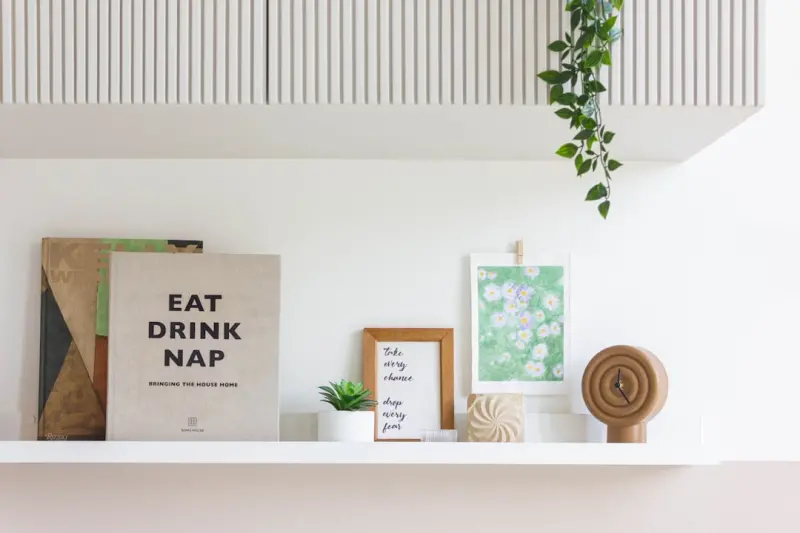
Most people see hallways as merely a conduit between rooms, but they can double as functional corridors that keep clutter at bay. Install a slim console with built‑in hooks for jackets, bags, and even bike helmets—think of it as a runway for your daily gear. Add a narrow bench with hidden compartments underneath, perfect for shoes or a stash of seasonal blankets. A few well‑placed floating shelves above eye level can showcase decorative items while keeping surfaces free, turning a traffic lane into a tidy, attractive showcase.
Vertical Vaults: Making the Walls Work For You
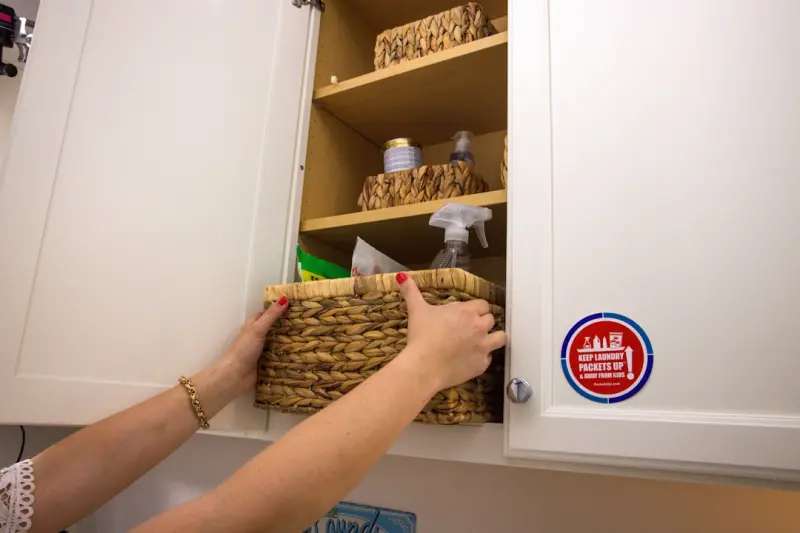
When floor space is scarce, the ceiling becomes your best ally. Floating shelves, pegboards, and tension‑rod systems can hold everything from kitchen spices to kids’ art supplies without sacrificing style. Choose a uniform finish—mat black or warm wood—to keep the look cohesive and avoid visual clutter. For the ultimate vertical hack, mount a series of slim, open‑back cabinets that act like a library for pantry goods, cleaning supplies, or even folded linens, giving you easy access without the need for bulky floor units.
Under‑Floor Treasure: Elevating Storage Without Raising the Roof
Most homes have dead space beneath rugs or under raised flooring that rarely gets a second glance. By adding a low‑profile platform—think a shallow wooden frame—you create a hidden drawer that slides out for storing board games, seasonal décor, or extra bedding. Pair this with a set of low‑profile bins that nestle beneath the frame, and you’ve turned an overlooked area into a secret stash that’s both discreet and easily reachable. The key is keeping the height under a few inches so the floor still feels smooth underfoot.
Furniture That Does Double Duty
Investing in pieces that serve multiple purposes is the fastest route to a decluttered home. A sofa with a removable cushion that reveals a storage compartment can hold spare blankets, magazines, or even a small emergency kit. Coffee tables with lift‑top surfaces become workstations for laptops or craft projects, then tuck away when you’re ready to relax. Even an ottoman with a zip‑closed interior can double as a footrest and a discreet pantry for snacks, making it a perfect companion for movie nights or quick work breaks.
Portable Partition Magic: Pop‑Up Closets on Wheels
Rolling screens or lightweight room dividers aren’t just decorative—they’re mobile closets that you can slide into place whenever you need extra hanging space. Outfit the back with a simple tension rod and a few hooks, and you have an instant wardrobe for jackets, scarves, or even a mini‑shoe rack. When you’re done, simply roll it away and reclaim the floor for yoga, a play area, or a dance floor. This flexibility is especially handy in studio apartments where permanent walls can’t be moved.
Labeling Like a Pro: Color, Code, and Convenience
A well‑labeled system saves time and reduces the mental load of searching for items. Use a color‑coded scheme—blue for kitchen supplies, green for office tools, red for kids’ toys—to quickly locate what you need. For the tech‑savvy, print QR codes that link to a simple spreadsheet inventory; scan with a phone and instantly know what’s left and what needs restocking. Stick the labels on the inside of cabinet doors or the front of bins so they’re visible at a glance, turning chaos into a tidy, organized rhythm.
Seasonal Rotation: A Rotating Library of Essentials
Instead of stuffing all your seasonal gear into one massive attic box, create a rotating system in your main living area. Allocate a set of clear, stackable bins for winter coats, summer beach towels, and holiday décor, then store only the current season’s items in an accessible closet. When the season changes, swap the bins—this not only keeps the most relevant items handy but also forces you to evaluate what you truly use, preventing unnecessary accumulation.
Tech‑Enhanced Organization: Smart Sensors Meet Storage
Integrating simple smart home tools can turn your storage into a low‑maintenance, self‑alerting system. Place a Bluetooth‑enabled weight sensor inside a pantry bin; when the weight drops below a set threshold, you receive a notification on your phone—no more surprise runs to the store. Pair this with a smart energy hack guide to ensure your lighting and climate controls adjust automatically when you open a closet, preserving both comfort and efficiency.
Putting It All Together: Your Actionable Checklist
Start by mapping out every under‑used space in your home—hallways, walls, under‑floor areas, and even the space behind doors. Choose one or two strategies from each section above and implement them gradually; you don’t have to overhaul everything overnight. Keep a running inventory list, label everything, and schedule a quarterly rotation to keep the system fresh. By treating storage as a dynamic, evolving part of your home, you’ll experience a lighter, more inviting environment that encourages creativity, relaxation, and effortless living.

Jimmy Damon loves to right on a large scale of topics with all things Canadian as this Montreal die hard loves hockey. fishing and sports.
Related Posts

Smart Home Office Makeover: Boost Productivity Without Breaking the Bank
Discover budget‑friendly ways to upgrade your home office, from lighting and temperature hacks to ... Read More

Crafting a Home Wellness Nook That Feeds Body and Soul
A step‑by‑step guide to building a home wellness nook that balances light, scent, sound, and tex... Read More
Tiny Wellness Nooks: Boosting Home Harmony One Corner at a Time
Learn to turn overlooked corners of your home into purposeful wellness nooks, using easy DIY project... Read More
Top Posts

Simple Sensory Hacks to Elevate Your Home’s Comfort
Learn easy, budget‑friendly sensory upgrades—natural light, acoustic fixes, fresh scents, and smart controls—that boost comfort and well‑being in any ho...Read More

When AI Becomes Your Silent Partner: Rethinking Decision‑Making in B2B SaaS
Explore a fresh perspective on AI as a collaborative teammate that transforms raw data into actionable decisions, embeds intelligence into daily workflows, and ...Read More

The Skills Marketplace Revolution: Why Companies Are Turning to Freelance Talent Pools
The rise of skills marketplaces is reshaping employment, offering faster talent matching, cost savings, and cultural integration for companies that embrace flex...Read More

Rewilding Your Front Yard: Turning the Ordinary into a Wild Sanctuary
A step‑by‑step guide to converting a conventional front lawn into a resilient, wildlife‑rich space using native plants, layered habitats, and low‑mainte...Read More
0 Comments
Post Comment
You will need to Login or Register to comment on this post!