

Why Renting High‑Tech Adventure Gear Is the Next Big Travel Trend
When I first set out on a solo trek through the Andes, I packed every piece of tech I owned—solar chargers, a compact drone, a Bluetooth translator, even a pocket‑sized weather station. By the time I reached the summit, my backpack felt like a miniature data center, and I was more concerned about battery life than the breathtaking vista.
That experience sparked a revelation: the future of travel isn’t about lugging more gear, it’s about borrowing it. From power‑hungry drones to ultra‑lightweight insulated tents, a growing network of local gear‑rental hubs is allowing explorers to travel lighter, greener, and more flexibly than ever before.
The Problem With “All‑In‑One” Packing
Travelers have always faced a classic trade‑off: bring the gear you need and risk being overburdened, or travel light and compromise on comfort or capability. The traditional solution—buying high‑end equipment—creates two hidden costs:
- Financial waste. Many travelers only use specialized gear once or twice a year, leaving expensive items to gather dust in closets.
- Environmental impact. Manufacturing, shipping, and eventually discarding gear adds to carbon emissions and landfill volume.
In the age of the sharing economy, these inefficiencies are finally being addressed. Companies are emerging that curate collections of high‑tech, sustainable gear and make them available on a per‑day or per‑trip basis. Think of them as “Airbnb for adventure equipment.”
How Gear‑Sharing Hubs Operate
Most hubs operate on a simple model:
- Local inventory. Partners—ranging from outdoor shops to community co‑ops—stock a selection of items such as solar generators, compact e‑bikes, waterproof drones, and modular sleeping systems.
- Digital reservation. Travelers browse an app, select the dates they need, and lock in gear with a few taps. Real‑time availability mirrors the convenience of ride‑share platforms.
- Pick‑up and drop‑off. Items are collected at designated stations, often located near transit hubs, hostels, or popular trailheads. After use, the gear returns to the hub for cleaning and maintenance.
This model solves the “heavy backpack” dilemma while also encouraging local economies. Rental fees stay within the community, supporting small businesses and creating new jobs for equipment technicians and logistics coordinators.
Case Study: Alpine‑Tech Rentals in the Alps
In a small Alpine village, a startup called Micro‑Transit Hubs teamed up with local ski resorts to launch a pilot program. Visitors could rent a solar‑powered avalanche beacon, a compact snow‑shoe set, and even a high‑resolution 4K action camera for the duration of their stay.
The results were striking:
- 30% increase in average trip length, as guests felt more secure and equipped to explore off‑the‑beaten‑path routes.
- Reduced waste—the program kept 1,200 kilograms of equipment out of landfills in its first year.
- Higher visitor spend on local services, since renters were more likely to extend their stays and try additional activities.
What started as a niche offering quickly became a regional standard, prompting neighboring towns to adopt similar models.
Tech That Makes Rentals Viable
Several technology trends are converging to make gear sharing seamless:
- IoT‑enabled inventory. Sensors track usage metrics, battery health, and location, ensuring equipment is always in optimal condition.
- Blockchain‑based contracts. Smart contracts automate payments, deposits, and insurance claims, reducing administrative overhead.
- AI‑driven recommendations. By analyzing a traveler’s itinerary, weather forecasts, and personal preferences, AI suggests the exact gear combo needed, avoiding over‑packing.
These advancements mirror the broader shift we see in other sectors—where data‑rich platforms streamline experiences. As a result, the friction that once made rentals feel risky or cumbersome has largely disappeared.
Eco‑Benefits That Extend Beyond the Backpack
Beyond convenience, gear‑sharing directly supports sustainable tourism:
- Lower carbon footprint. Fewer shipments of new products mean reduced emissions from manufacturing and logistics.
- Extended product lifecycles. Shared usage maximizes the utility of each item, delaying the point at which it becomes waste.
- Localized repair ecosystems. Rental hubs often employ local technicians who can service gear on‑site, reducing the need for shipping items back to distant factories.
These benefits align with the growing traveler demand for “green” experiences. A recent survey found that 68% of adventure‑seeking tourists consider environmental impact when choosing a destination or service provider.
Designing the Perfect Rental Experience
For a gear‑sharing service to truly thrive, it must address three core user expectations:
1. Transparency
Travelers need clear information about condition, battery life, and any hidden fees. High‑resolution photos, 360° video tours of each item, and real‑time condition reports build trust.
2. Flexibility
Travel plans can change on a whim. Rental platforms should allow on‑the‑fly extensions or swaps without penalty, much like a flexible airline ticket.
3. Support
Quick access to help—whether it’s a how‑to video, live chat, or on‑site assistance—ensures that users can resolve issues without missing a moment of their adventure.
Integrating Rentals Into Your Travel Planning Workflow
Here’s a step‑by‑step guide to seamlessly weave gear rentals into your itinerary:
- Map out your activities. Identify the core experiences—hiking, kayaking, night photography—and note the specific equipment each requires.
- Research local hubs. Use travel forums, destination guides, or apps that aggregate rental locations. Look for places that specialize in the gear you need.
- Reserve in advance. For high‑demand items (e.g., drones in national parks), lock them in early to avoid disappointment.
- Plan pick‑up/drop‑off logistics. Align collection points with your transit routes. Many hubs are conveniently situated near train stations or hostels.
- Pack smart. With gear secured, you can drastically reduce the size and weight of your personal luggage—leaving room for souvenirs or that extra layer of clothing.
By treating gear as a service rather than a product, you free up mental bandwidth for the more rewarding aspects of travel: immersion, discovery, and connection.
Potential Pitfalls and How to Avoid Them
While the model is promising, it’s not without challenges:
- Availability spikes. Popular destinations may run out of certain items during peak seasons. Solution: book early or consider alternatives.
- Quality control. Rental gear can suffer wear and tear. Choose reputable hubs that prioritize maintenance and offer guarantees.
- Insurance gaps. Verify that the rental includes coverage for damage or loss, or supplement with a travel insurance policy that specifically mentions gear.
Awareness and due diligence go a long way in ensuring a smooth experience.
Beyond Equipment: The Social Dimension of Gear‑Sharing
One of the most unexpected benefits is the community that forms around these hubs. Travelers often exchange tips, route suggestions, and even stories of their adventures while waiting for their gear. In many cases, the hub becomes a de‑facto information center, staffed by locals who know hidden trails, safe swimming spots, and the best sunrise viewpoints.
This social layer turns a simple transaction into a collaborative experience, echoing the spirit of travel as a shared human endeavor rather than a solitary pursuit.
Future Outlook: From Rentals to “Adventure‑as‑a‑Service”
Looking ahead, the line between gear rental and full‑service adventure packages will blur. Imagine a subscription model where, for a monthly fee, you gain unlimited access to a curated set of equipment, on‑demand guides, and even local expert escorts. This “Adventure‑as‑a‑Service” (AaaS) could revolutionize how people think about travel, making high‑quality experiences accessible to a broader audience.
As AI continues to personalize recommendations and blockchain ensures secure transactions, the infrastructure needed for AaaS is already taking shape. Early adopters who integrate gear sharing into their travel DNA will be the ones to reap the biggest rewards—both in terms of personal fulfillment and environmental stewardship.
Takeaway: Pack Light, Experience More
Travel is evolving from a logistics challenge into a fluid, service‑driven experience. By embracing gear rentals, you not only shed the physical weight of equipment but also lighten your ecological footprint and open doors to local communities.
Next time you plan a trek, a surf session, or a mountain‑bike expedition, ask yourself: What can I borrow instead of own? The answer might just be the key to unlocking a richer, more responsible adventure.

Tyler Johnson is a seasoned freelance writer with a keen eye for detail and a passion for crafting compelling narratives. His years of experience have honed his ability to adapt his style to suit diverse client needs and project requirements.
Related Posts

The Solo Wanderer’s Guide to Turning Travel Downtime into Creative Gold
Discover how solo travelers can transform idle moments on the road into powerful creative sessions, ... Read More
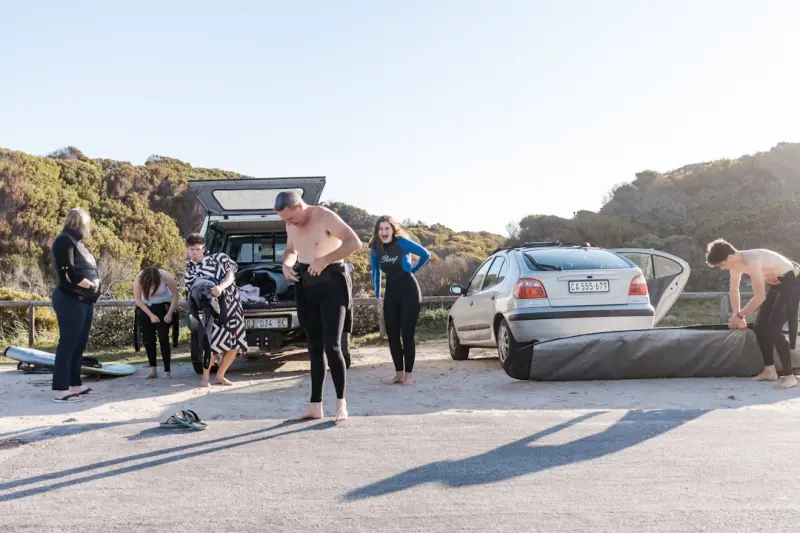
Mobile Basecamps: Turning Every Trip into a Productive Playground
Discover the blueprint for a mobile basecamp that lets you work efficiently, explore authentically, ... Read More

The Joy of Unplanned Wandering: How Serendipity Fuels Deeper Travel Experiences
Explore why letting go of strict itineraries and following curiosity leads to unforgettable travel m... Read More
Top Posts

Sustainable DIY Outdoor Living: Transform Your Space with Eco‑Friendly Hacks
Learn how to turn everyday items into stylish outdoor furniture, use smart watering systems, and create modular planters for a sustainable, beautiful backyard r...Read More
Zero‑Waste Bathroom: A Personal Care Revolution
A step‑by‑step guide to building a zero‑waste bathroom, featuring sustainable product swaps, DIY recipes, and tips for aligning personal care routines wit...Read More
Why Listening to Local Soundscapes Transforms Your Travel Experience
Explore the power of travel soundscapes: learn to capture, curate, and use ambient audio from destinations to boost creativity, reduce stress, and foster cultur...Read More

Jimmy Damon’s Green Workspace: Why the Garden Desk Is Redefining Home & Garden Living
Jimmy Damon shares his personal journey turning a backyard corner into a thriving green workspace, blending nature with productivity for the ultimate home‑gar...Read More
0 Comments
Post Comment
You will need to Login or Register to comment on this post!