
Why Your Backyard Should Be a Plate, Not Just a Pretty View
When I first moved into my modest two‑bedroom apartment, the only thing I could claim as “green” was a wilted spider plant perched on the windowsill. Fast forward a few years, and I now host weekly dinner parties where the star of the show is a salad that was literally plucked moments before it hit the fork. The transformation didn’t happen because I bought a fancy indoor garden kit or hired a landscape architect. It happened because I decided to treat my garden as an extension of my kitchen—a living pantry.
From Ornamental to Edible: The Mindset Shift
Traditional gardening often follows a visual script: color palettes, symmetry, and the occasional ornamental statue. While there’s nothing wrong with aesthetics, the edible elegance approach asks a different question: What can this space feed? This mental pivot reframes every planting decision. Instead of asking, “Will this lavender add a splash of purple?” you ask, “Can I use the lavender buds in a cocktail garnish?” The result is a garden that looks good and puts food on the table.
Planning Your Culinary Canvas
Before you break out the seed packets, take a walk around your property with a notebook. Sketch out sunny spots, shaded nooks, and wind‑protected corners. Identify the micro‑climates—those pockets that receive morning sun versus afternoon heat. Next, list the dishes you love to cook and the flavors you crave year‑round. If you’re a fan of Mediterranean cuisine, herbs like rosemary, thyme, and oregano will become your main cast. If you lean toward Asian flavors, consider bok choy, cilantro, and ginger.
One trick I swear by is the “three‑layered garden” model:
- Foundation layer: Perennial herbs and hardy greens that return every season (e.g., chives, kale).
- Middle layer: Seasonal vegetables that you rotate based on climate (e.g., tomatoes in summer, carrots in spring).
- Top layer: Annuals that add visual punch and quick harvests—think nasturtiums, which are both decorative and edible.
Choosing Plants That Play Well Together
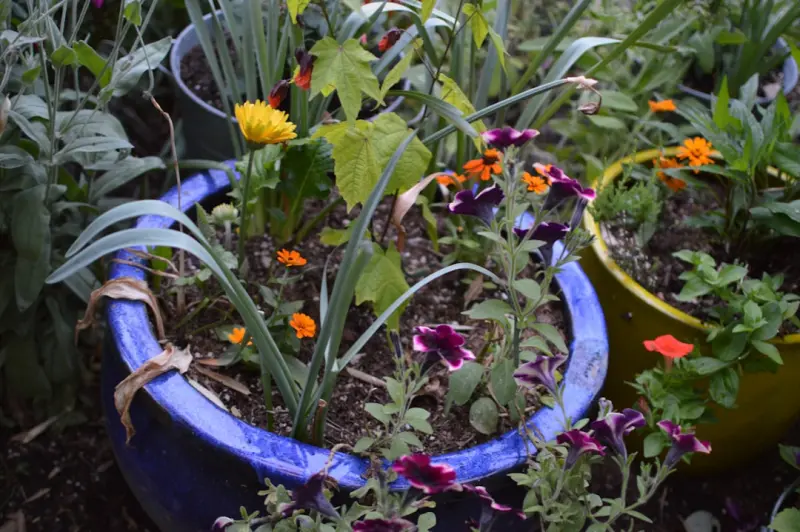
Companion planting isn’t just a farmer’s myth; it’s a science that can boost yields, deter pests, and improve soil health. For example, planting basil alongside tomatoes not only enhances the flavor of the tomatoes but also repels aphids. Similarly, marigolds act as a natural pest barrier, keeping nematodes at bay while providing a splash of orange that brightens the garden.
When you design a garden that doubles as a pantry, think of it as a pollinator‑friendly garden. Bees, butterflies, and hummingbirds love the nectar from herbs and flowers. Their frequent visits increase pollination rates, which directly translates to larger fruit yields. In other words, the more you invite nature in, the more your kitchen benefits.
Soil: The Unsung Hero of Edible Gardens
Rich, well‑draining soil is the foundation of any successful garden. If you’ve been using the same generic potting mix for years, it’s time for an upgrade. Incorporate compost, leaf mold, and a handful of worm castings to boost organic matter. This not only improves texture but also introduces beneficial microbes that help plants absorb nutrients more efficiently.
Test your soil’s pH with a simple kit from the garden centre. Most herbs thrive in slightly alkaline soil (pH 6.5‑7.5), while blueberries prefer acidic conditions (pH 4.5‑5.5). Adjustments are easy: add garden lime to raise pH or sphagnum peat to lower it. A well‑balanced soil reduces the need for chemical fertilizers, keeping your produce cleaner and your garden more sustainable.
Watering Wisely: Conservation Meets Convenience
Over‑watering is a common pitfall, especially for beginners. The goal is to mimic natural rainfall patterns—deep, infrequent soaks that encourage roots to grow downward. Drip irrigation systems are perfect for this, delivering water directly to the root zone while minimizing evaporation.
If you’re tech‑savvy, consider integrating smart home energy hacks into your watering routine. A Wi‑Fi‑enabled moisture sensor can alert you via smartphone when soil moisture drops below a set threshold, allowing you to water only when necessary. This not only conserves water but also saves on your utility bill—talk about a win‑win.
Harvesting: Timing Is Everything
One of the most rewarding moments in edible gardening is the first bite of something you grew yourself. However, timing your harvest correctly ensures the best flavor and texture. Leafy greens, for instance, are most tender when you pick them before they bolt (flower). For fruiting plants like tomatoes, a gentle twist when the fruit yields slightly to pressure indicates ripeness.
Keep a harvest log in the same notebook you used for planning. Note the date, weather conditions, and any observations about flavor. Over time, you’ll develop an intuition for your garden’s rhythms—knowledge that no cookbook can teach.
From Garden to Table: Culinary Integration
The ultimate goal of an edible garden is to blur the line between farm and kitchen. Here are three practical ways to weave your harvest into everyday meals:
- Herb‑infused oils: Toss fresh rosemary, thyme, or basil into a bottle of olive oil and let it steep for a week. Use it to finish roasted vegetables for an instant flavor boost.
- Pickling and fermenting: Quick‑pickled cucumbers, carrots, and radishes add crunch to salads and sandwiches. Fermentation not only preserves produce but also enhances its probiotic content.
- Fresh sauces and pestos: Blend basil, parsley, or cilantro with nuts, garlic, and lemon juice for vibrant sauces that can accompany pasta, grilled fish, or roasted veggies.
Designing for All Seasons
While the excitement of planting in spring is undeniable, a truly resilient edible garden offers bounty year‑round. Incorporate winter‑hardy crops like kale, Brussels sprouts, and Swiss chard, which can survive frosts and even improve in flavor after exposure to cold. Use cold frames or low‑tech hoop houses to extend the growing season for tender greens.
Don’t forget indoor options. A sunny windowsill can host micro‑herb gardens—think mint, cilantro, and parsley in small pots. These can supplement your outdoor harvest during winter months, ensuring you never run out of fresh herbs for your cooking.
Community and Sharing: The Social Side of Edible Gardens
One unexpected benefit of an edible garden is the social capital it generates. Share surplus produce with neighbors, host a “garden‑to‑table” potluck, or start a small exchange club where members trade heirloom seeds. These interactions foster a sense of community and can spark collaborative projects, such as a neighborhood compost hub or a shared rainwater harvesting system.
Common Pitfalls and How to Avoid Them
Even seasoned gardeners stumble. Here are a few frequent mistakes and quick fixes:
- Planting too densely: Overcrowding reduces airflow, leading to fungal diseases. Thin seedlings to the recommended spacing.
- Ignoring crop rotation: Planting the same family of vegetables in the same spot year after year depletes specific nutrients and invites pests. Rotate crops to maintain soil health.
- Neglecting pest monitoring: A few ladybugs can keep aphids in check, but an unchecked infestation can ruin a harvest. Regularly inspect leaves and use organic controls like neem oil when needed.
Future‑Proofing Your Edible Oasis
As climate patterns shift, resilient gardening practices become essential. Consider drought‑tolerant varieties such as eggplant, certain beans, and Mediterranean herbs. Mulching with straw or wood chips retains moisture and suppresses weeds. And always keep an eye on emerging plant varieties that boast disease resistance and higher yields.
Incorporating technology—like the aforementioned smart irrigation—can also future‑proof your garden. Many platforms now integrate weather forecasts to adjust watering schedules automatically, ensuring your plants receive just the right amount of water even during unexpected heatwaves.
Conclusion: A Garden That Feeds Body and Soul
Turning your backyard into a culinary canvas isn’t just a trend; it’s a lifestyle upgrade that enriches your meals, your health, and your connection to the environment. By rethinking garden design through the lens of edibility, you create a space that’s as functional as it is beautiful. So the next time you walk past a row of basil, remember: it’s not merely a garnish; it’s a fresh, aromatic promise of tomorrow’s dinner.

Sanji Patel has dedicated 25 years to the SEO industry. As an expert SEO consultant for news publishers, he emphasizes providing both technical and editorial SEO services to news publishers worldwide. He frequently speaks at conferences and events globally and offers annual guest lectures at local universities.
Related Posts
Smart Water Management for a Greener Home Garden
Learn practical, tech‑driven strategies to save water, reduce costs, and create a resilient garden... Read More

Enchant Your Evenings: Crafting a Captivating Night Garden
Turn twilight into a mesmerizing retreat with layered lighting, fragrant night‑blooming plants, re... Read More

Crafting a Nighttime Garden: Light, Sound, and Scent for a Magical Backyard
Learn to create a magical nighttime garden using layered lighting, soothing water sounds, and fragra... Read More
Top Posts

The Hidden Power of Internal Mobility: A Career‑Boosting Playbook
Internal mobility is the untapped engine that can accelerate careers, improve employee engagement, and reduce turnover. This article shares practical steps, rea...Read More

Beyond the Map: Crafting Stories with Your Senses on the Road
Explore travel as a sensory narrative, using sound, scent, touch, and taste to create lasting stories that enrich every adventure....Read More

Storytelling for the Soul: How Narrative Turns Stress Into Strength
Explore practical storytelling habits that rewire your brain, reduce anxiety, and foster emotional agility, turning everyday stress into a source of personal st...Read More

Turning Mental Drift into a Resilience Engine
Discover how to turn everyday mental drift into a purposeful resilience tool through structured daydreaming, simple cues, and practical capture methods that enh...Read More
0 Comments
Post Comment
You will need to Login or Register to comment on this post!