
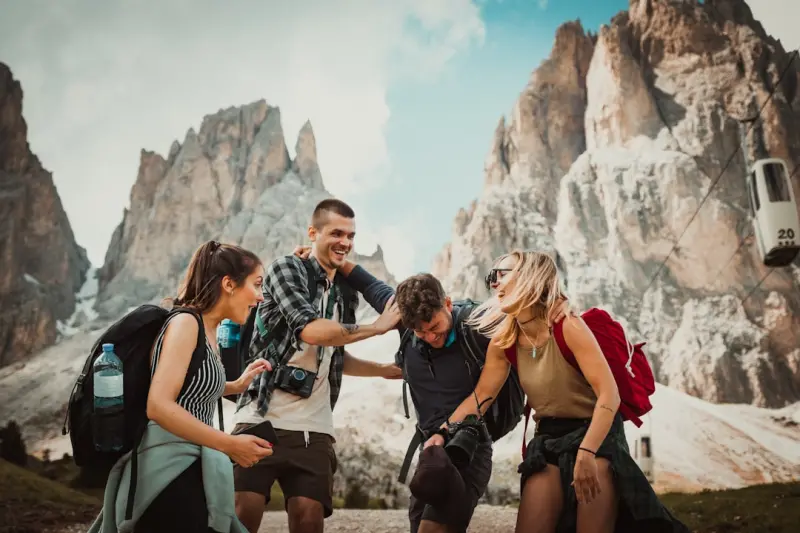
Why Tiny Towns Are the Next Big Thing in Travel
When most people think about a getaway, the mind jumps to sprawling metropolises, iconic landmarks, or remote beaches that dominate Instagram feeds. Yet there’s a growing undercurrent of explorers who are swapping the crowds for cobblestone lanes, family‑run cafés, and centuries‑old market squares that barely make it onto mainstream travel guides. These pocket‑sized adventures aren’t just a budget‑friendly alternative—they’re a radical shift in how we define “a great trip.”
The Psychology Behind Small‑Scale Exploration
Our brains are wired for novelty, but novelty can be overwhelming when it arrives in massive doses. A bustling airport, a packed museum, or an endless itinerary can trigger decision fatigue, leaving you more exhausted than exhilarated. In contrast, a tiny town offers a focused dose of new stimuli: a single main street, a handful of local dishes, one or two historic sites. This limited set of choices allows the mind to fully absorb each detail, turning a short stay into a deeply memorable experience.
- Less is more. Fewer attractions mean you can linger, ask questions, and truly engage with the place.
- Authenticity spikes. Small towns are less likely to be over‑touristed, preserving the genuine rhythm of daily life.
- Community connection. Locals are more inclined to share stories when they sense genuine curiosity, creating a two‑way cultural exchange.
How to Spot a Destination Worth the Detour
Finding a gem isn’t about flipping through a travel magazine; it’s about reading the subtle clues that signal a place worth exploring.
- Population size. Aim for towns under 10,000 residents. The smaller the community, the higher the chance of undiscovered charm.
- Historical layers. Look for places that have survived multiple eras—Roman ruins, medieval walls, industrial heritage—so you can walk through centuries in a single afternoon.
- Local festivals. A seasonal fair, a harvest celebration, or a music night can act as a cultural shortcut, giving you access to traditions you’d otherwise miss.
- Geographic crossroads. Towns that sit at the junction of rivers, mountain passes, or old trade routes often have a unique blend of culinary and linguistic influences.
Designing a Pocket‑Sized Itinerary
Unlike a week‑long European tour, a micro‑trip to a tiny town thrives on flexibility. Here’s a framework to keep you oriented without feeling boxed in.
- Pre‑arrival research (15‑30 minutes). Scan local blogs, municipal websites, and recent Instagram geotags. Identify one must‑see spot and a couple of “off‑the‑radar” eateries.
- Set a single theme. Whether it’s “artisan cheese,” “river kayaking,” or “folk music,” a theme gives purpose to every decision you make on the ground.
- Leave room for serendipity. Block out at least half of your daylight hours with “free time.” This is when you’ll stumble upon the hidden courtyard, the spontaneous street performance, or the elderly shopkeeper who will share a family recipe.
- Document minimally. Instead of a thousand photos, choose three moments to capture: a detail, a portrait, and a landscape. This restraint forces you to notice nuance.
Tech Tools That Enhance, Not Distract
Technology can be a silent guide, especially when you’re navigating an unfamiliar hamlet. The AI itinerary co‑pilot can suggest hidden cafés, predict local weather patterns, and even translate street signs on the fly. The key is to treat it as a supportive whisper rather than a dominating voice. Turn off push notifications, set a single daily “check‑in” window, and let the AI do the heavy lifting while you stay present.
Sustainable Practices That Fit in a Carry‑On
Traveling light isn’t just about packing fewer clothes; it’s about minimizing the footprint you leave behind. A zero‑waste travel kit can be assembled in under ten minutes and fits into a small toiletry bag. Include reusable bamboo utensils, a compact stainless‑steel water bottle, and refillable toiletry containers. When you pair these basics with a conscious decision to support local businesses—buying fresh produce from the market, staying in family‑run B&Bs, and opting for public transport—you amplify the positive impact of your short stay.
Real‑World Examples of Pocket‑Sized Adventures
Below are three case studies that illustrate how tiny towns can deliver big punchlines.
- Ribe, Denmark. With a population of just under 9,000, Ribe boasts the world’s oldest preserved wooden street. A single afternoon spent wandering its medieval lanes, sampling locally smoked fish, and chatting with a 90‑year‑old baker can feel like stepping into a living history book.
- Gore, New Zealand. Nestled on the South Island’s rugged coastline, this town of 7,000 offers a blend of Maori heritage and alpine adventure. One sunrise hike to the nearby glacier, followed by a lunch of fresh green‑lipped mussels, creates a story you’ll recount for years.
- Alcalá de la Sierra, Spain. A mountain village perched above the Guadalete River, it’s a haven for hikers and flamenco lovers alike. Staying in a renovated stone house, you can spend evenings around a communal fire, learning the local “cante” from a retired guitarist.
Overcoming Common Concerns
Many travelers hesitate to venture off the beaten path because they fear limited amenities or language barriers. Here’s how to mitigate those worries.
- Connectivity. Even the smallest towns now often have reliable Wi‑Fi in cafés or public libraries. A quick check on the host’s website can confirm.
- Transportation. Look for regional train lines or community shuttle services that connect the town to larger hubs. In Europe, the “B‑line” network frequently links villages to nearby cities.
- Safety. Smaller populations typically mean lower crime rates. Still, read recent traveler reviews and check local health resources just in case.
Monetary Benefits of Going Small
Budget‑conscious travelers will love the cost advantage. Accommodation in a family‑run inn can be 30‑50% cheaper than a boutique hotel in a major city. Meals sourced from local markets are often less expensive than tourist‑oriented restaurants, and you’ll avoid pricey “souvenir” shops that target visitors.
Turning the Experience into Long‑Term Growth
Beyond the immediate joy of discovery, these short, focused trips can seed long‑term personal and professional development. The act of navigating an unfamiliar environment sharpens problem‑solving skills. Engaging with locals cultivates empathy and cross‑cultural communication—qualities highly prized in today’s globalized workplace. Moreover, returning home with a fresh perspective can ignite creativity, whether you’re brainstorming a new product, writing a novel, or simply re‑arranging your living space.
Practical Checklist Before You Go
Use this printable list to ensure you’re ready for a seamless pocket‑sized adventure.
- Research one must‑see attraction and two backup options.
- Download offline maps of the town and surrounding area.
- Pack a zero‑waste travel kit (reusable utensils, water bottle, refillable toiletries).
- Set up your AI itinerary co‑pilot with preferences for food, activity level, and budget.
- Confirm local transport schedules (train, bus, ferry).
- Write down three open‑ended questions you want to ask locals (e.g., “What’s the best dish for a rainy day?”).
- Leave a copy of your itinerary with a trusted friend or family member.
Final Thought: Bigger Isn’t Always Better
In an age where “more” is often equated with “better,” the rise of tiny‑town travel reminds us that depth can outshine breadth. By immersing yourself in a community of a few thousand souls, you gain a richer, more nuanced understanding of place—and perhaps, of yourself. So the next time you plan a trip, consider swapping the skyscraper skyline for a modest church bell, the crowded market for a solitary stall, and watch how a pocket‑sized adventure can leave a lasting, oversized imprint on your memory.

Paul Flynn is a versatile freelance writer equipped with a diverse skillset and a portfolio that reflects his wide-ranging interests and expertise. From crafting compelling website copy and engaging blog posts to delivering in-depth articles and meticulously researched reports, Flynn demonstrates a remarkable ability to adapt his writing style to suit various audiences and purposes.
Related Posts
Mapping Memory: How Curating Souvenirs Turns Travel into a Personal Archive
Explore the art of purposeful souvenir collecting, turning each trinket into a tangible memory ancho... Read More

Beyond Sight: Harnessing Sound, Taste, and Rhythm for Deeper Travel
Explore a fresh travel approach that prioritizes sound, flavor, and rhythm, turning every journey in... Read More

Pop‑Up Co‑Living Pods: Rethinking City Travel for Shared Living Experiences
Pop‑up co‑living pods turn vacant city spaces into vibrant, short‑term homes where travelers s... Read More
Top Posts

Edible Curb Appeal: Turn Your Front Yard into a Harvesting Showpiece
Transform your front yard into a stunning edible landscape that dazzles neighbors, supplies fresh produce, and adds sustainable value to your home....Read More
Garden Desks: The Home & Garden Trend Redefining Work and Wellness in 2026
Explore the rise of garden desks in 2026, blending productivity with nature. Get design ideas, tech tips, and sustainability hacks for a thriving home‑garden ...Read More

Business Travel Reimagined: Turning Trips into Innovation Sprints
Learn how to redesign business travel into purposeful Innovation Sprints that deliver measurable outcomes, accelerate product development, and revitalize remote...Read More

Green Workspaces: How My Garden Desk Is Revolutionizing Employment
Jimmy Damon shows why the garden desk isn’t just a trend—it’s a catalyst for a greener, more productive employment landscape....Read More
0 Comments
Post Comment
You will need to Login or Register to comment on this post!