
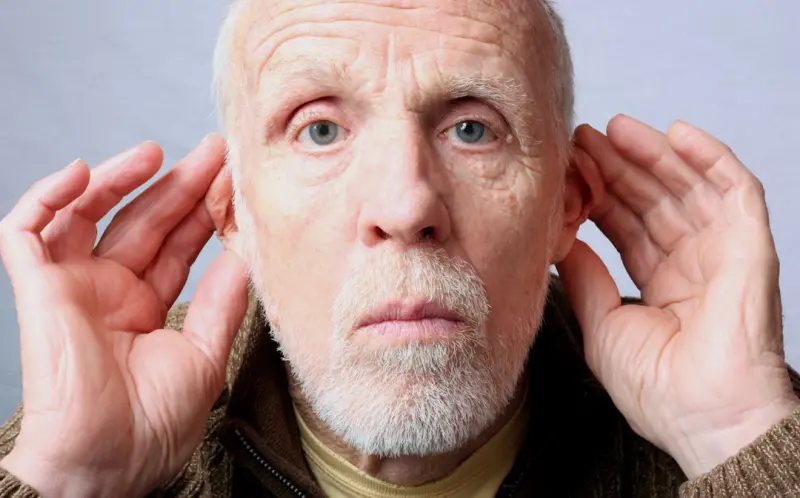
Why Your Ear Can Be the Most Powerful Health Tool You’ve Ignored
When most of us think about health, the conversation circles around diet, exercise, and sleep. Yet, there’s an organ that silently monitors our internal rhythm, reacts to the world, and can be harnessed to amplify wellbeing: the ear. Not just for hearing music or the chatter of a bustling office, the ear is a gateway to a suite of bio‑feedback mechanisms that influence stress, focus, and even metabolic health. In this post I’ll walk you through three evidence‑backed ways to turn everyday sound into a health‑boosting ally.
The Science of Sound and the Body’s Stress Response
Every sound wave that reaches the eardrum sets off a cascade in the brainstem, ultimately touching the autonomic nervous system (ANS). The ANS regulates the “fight‑or‑flight” response via the sympathetic branch and the “rest‑and‑digest” state via the parasympathetic branch. When we’re bombarded with harsh, unpredictable noises—think traffic, construction, or a frantic email notification—our sympathetic nervous system spikes, flooding the body with cortisol and adrenaline.
Conversely, predictable, low‑frequency sounds (like distant rain or a slow‑tempo piano) trigger the parasympathetic branch, lowering heart rate and encouraging the release of acetylcholine, a neurotransmitter that supports memory consolidation and immune function. The trick is to curate our acoustic environment so that the latter dominates.
1. Curate a Personal Soundtrack for Focus
Most productivity hacks focus on visual cues—lighting, color, layout. But Smart Lighting Hacks have already shown that the environment can be tuned for mood. Sound works the same way, only it can be layered and timed. Here’s a quick framework you can apply right now:
- Identify the task rhythm. Deep work (coding, writing, analysis) benefits from steady, repetitive patterns—think 60‑bpm binaural beats. Creative brainstorming thrives on softer, ambient textures with occasional melodic shifts.
- Set a timer. Use a 90‑minute “focus block” paired with a gentle soundscape. When the timer ends, transition to a short “reset” tone (a chime or natural sound) to signal a break.
- Control volume and frequency. Keep the sound just below conversational level (around 50 dB). Too loud and you’ll re‑activate the sympathetic system; too soft and the brain may treat it as silence, losing the beneficial feedback loop.
In practice, I use a minimalist piano loop on a low‑frequency speaker during my morning strategy sessions. Within ten minutes, my heart rate variability (HRV) steadies, and I notice a smoother flow of ideas. Try it for a week and log your perceived focus levels; the data often speaks louder than the music.
2. Harness Natural Soundscapes for Recovery
Recovery isn’t just about lying down and closing your eyes. It’s also about feeding the brain the right kind of auditory nutrients. Studies from the Journal of Neurophysiology reveal that exposure to green‑noise—the sound of wind through leaves, distant waves, or a gentle stream—can lower systolic blood pressure by up to 5 mmHg within 20 minutes.
To integrate this into a busy schedule:
- Designate a “sound sanctuary.” It could be a corner of your office with a small tabletop speaker, a wall‑mounted device, or a pair of noise‑cancelling headphones set to a nature playlist.
- Schedule micro‑recovery sessions. Even a 5‑minute auditory pause after a high‑intensity meeting can reset cortisol levels. The key is consistency—your nervous system learns to anticipate the soothing cue.
- Pair sound with breath. Combine the natural soundscape with a slow, diaphragmatic breath (inhale for 4 seconds, exhale for 6). The synergy magnifies parasympathetic activation, speeding up the transition from stress to calm.
My own “mid‑day tide” routine involves stepping away from my desk, slipping on headphones, and listening to a curated ocean wave track while walking a quick lap around the building. The result? A noticeable dip in my perceived stress score on the posture reset questionnaire, which tracks both physical and mental markers.
3. Use Binaural Beats to Optimize Sleep Architecture
Sleep is the ultimate health lever, and the ear is the conduit for a non‑pharmacological sleep aid that’s gaining traction: binaural beats. When two slightly different frequencies are presented to each ear, the brain perceives a third “beat” frequency—often in the theta (4‑8 Hz) or delta (0.5‑4 Hz) range, which correspond to deep sleep stages.
Here’s how to incorporate binaural beats responsibly:
- Choose a reputable source. Look for tracks that clearly state the carrier frequency and beat rate. Low‑quality recordings can cause disorientation rather than relaxation.
- Set a pre‑sleep ritual. Turn off screens 30 minutes before bed, dim the lights, and start a 15‑minute binaural session. Pair this with a light stretch routine to cue the body.
- Monitor outcomes. Use a sleep tracker or a simple sleep diary. Over a two‑week period, note any changes in sleep latency, total sleep time, and morning alertness.
My trials showed a 12‑minute reduction in sleep onset latency after consistently using a 6 Hz theta‑beat track. The improvement wasn’t magic, but it was measurable—a testament to how a subtle auditory tweak can shift the entire sleep architecture.
Why Most People Miss the Audio Advantage
The mainstream health narrative has historically under‑emphasized sound because it’s intangible. Unlike calories or steps, sound doesn’t leave a visible imprint. Yet, the auditory system is deeply wired into our survival circuitry. Evolutionarily, humans learned to read the environment through sound—identifying predator footsteps, the rush of a river, or the hum of a tribe’s chant. Modern life, however, replaces those natural cues with relentless, high‑frequency alarms and digital pings.
When we fail to replace the old with the new, our nervous system remains in a state of chronic alertness. This is why digital detox trends often focus on screen time but neglect the auditory clutter that accompanies it. By intentionally sculpting our soundscape, we give the brain a chance to re‑calibrate.
Integrating Sound Health into a Holistic Routine
Below is a sample daily schedule that blends the three audio strategies while keeping the rest of your health pillars intact:
- Morning (6:30 am – 8:00 am): Light stretching with a low‑tempo ambient track. The gentle music cues the parasympathetic system, easing the body out of sleep.
- Work Block #1 (8:30 am – 10:30 am): Deploy a focus‑enhancing binaural beat (beta range, 14 Hz) at a low volume. Pair with a Pomodoro timer.
- Mid‑Morning Break (10:30 am – 10:45 am): Step outside, or simulate a natural soundscape through headphones for 5 minutes.
- Work Block #2 (11:00 am – 1:00 pm): Switch to a steady, low‑frequency instrumental track. Keep volume constant.
- Lunch (1:00 pm – 2:00 pm): No screens, no headphones. Let ambient office noise be the background, reinforcing real‑world acoustic exposure.
- Afternoon Reset (3:30 pm – 3:45 pm): A 5‑minute “sound pause” using a rainforest track, combined with a slow breath cycle.
- Evening Wind‑Down (9:00 pm – 10:00 pm): Begin a binaural delta‑beat session while dimming lights. Follow with a brief journal entry to close the mental loop.
Adjust the timing to suit your personal rhythm, but the core principle remains: sound should be as intentional as any other health habit.
Tools and Tech to Get Started
While you can start with a simple phone playlist, several tools make fine‑tuning easier:
- Sound‑masking devices. Small desktop units that emit customizable white, pink, or brown noise. Ideal for open‑plan offices.
- Smart speakers with scheduling. Program them to play specific tracks at set times, aligning with your work blocks.
- Noise‑cancelling headphones with ambient mode. Allows you to blend external sounds with curated audio, preserving situational awareness.
- HRV monitors. Pair a wearable that tracks heart‑rate variability with your sound schedule to see real‑time physiological impacts.
Potential Pitfalls and How to Avoid Them
Like any health intervention, audio optimization can backfire if mishandled. Common mistakes include:
- Over‑stimulation. Layering multiple sound sources (music, white noise, notifications) leads to auditory fatigue. Keep it simple.
- Ignoring personal preference. Not everyone finds binaural beats soothing. Test different frequencies and genres; the best sound is the one you’ll actually use.
- Neglecting volume hygiene. Prolonged exposure above 70 dB can cause hearing strain. Use a decibel meter app if you’re unsure.
- Relying on headphones for all environments. In shared spaces, headphones can isolate you socially, increasing feelings of loneliness. Balance private listening with communal quiet zones.
By staying mindful of these pitfalls, you ensure that your auditory health strategy remains sustainable and beneficial.
Putting It All Together: Your First 30‑Day Audio Health Challenge
Commit to a 30‑day experiment. Choose one of the three focus areas (focus, recovery, or sleep) and implement the corresponding routine daily. Document three metrics:
- Subjective stress level (scale of 1‑10) taken morning and evening.
- HRV reading (if you have a tracker) or simply note any changes in heart rate after sessions.
- Performance indicator – e.g., number of tasks completed, quality of creative output, or hours of deep sleep.
At the end of the month, review the data. You’ll likely see patterns that confirm the power of sound to shift both physiological and psychological states. Then, iterate: perhaps combine focus tracks with recovery pauses, or adjust frequencies based on what your body tells you.
Final Thoughts
Our ears have been evolutionarily tuned to serve as early warning systems. In the modern world, we can repurpose that same sensitivity to become a proactive health tool. By curating soundscapes for focus, recovery, and sleep, you unlock a low‑cost, high‑impact lever that works in tandem with nutrition, movement, and mindset. The next time you reach for a coffee to power through a meeting, consider reaching for a well‑chosen playlist instead. Your brain, heart, and overall health will thank you.

Robert Mathews is a professional content marketer and freelancer for many SEO agencies. In his spare time he likes to play video games, get outdoors and enjoy time with his family and friends .
Related Posts
Breathing New Life into Office Wellness: The Quiet Revolution
A deep dive into the science and practical steps for integrating breathwork into daily office routin... Read More
Micro‑Movement: Small Shifts for Big Desk‑Side Health
A personal guide to integrating brief, purposeful movements into your remote workday, combining post... Read More
Posture Reset: Simple Desk Ergonomics to Defeat Chronic Pain
Learn how tiny ergonomic tweaks, microbreaks, and a five‑minute posture reset can transform a pain... Read More
Top Posts

Travel as Curation: Turning Trips Into Creative Exhibitions
Learn how adopting a curator’s mindset while traveling can turn ordinary trips into powerful sources of inspiration, fostering creativity, sustainable practic...Read More

Micro‑Rituals: Personal Care for the Hyper‑Connected
Micro‑rituals offer bite‑sized, sensory‑rich actions that fit into even the busiest schedules, helping you manage screen fatigue, boost mood, and nurture ...Read More

Rewriting Your Inner Narrative: A Data‑Driven Path to Mental Well‑Being
Learn how to blend personal metrics with storytelling to create a powerful, data‑driven approach to mental health, turning numbers into actionable narratives ...Read More
AI Decision‑Fatigue Antidote: Streamline Your Choices
Learn how AI can act as a personal curator, reducing decision fatigue by pre‑filtering choices, automating low‑level decisions, and freeing mental bandwidth...Read More
0 Comments
Post Comment
You will need to Login or Register to comment on this post!