
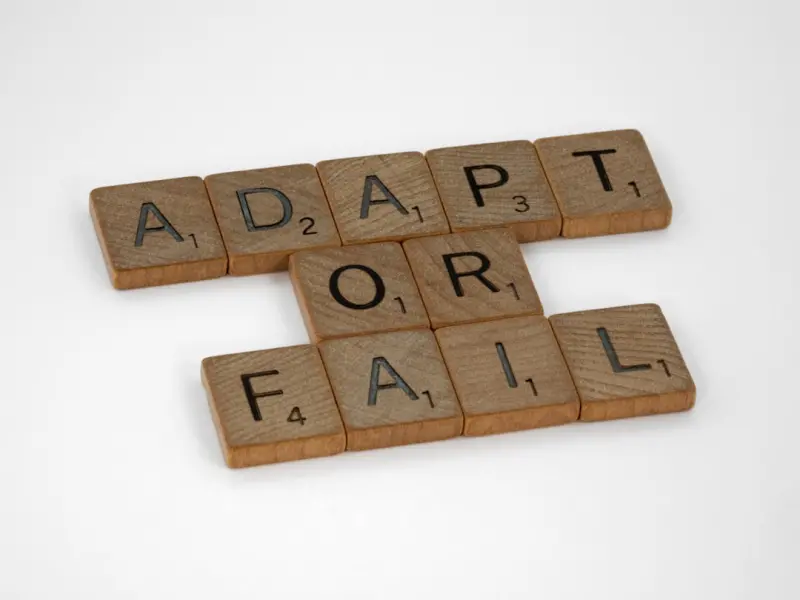
Artificial intelligence has been the buzzword on every executive’s lips for the past few years, but the hype often drowns out the real, measurable ways it can transform the learning experience inside an organization. I’m talking about adaptive learning platforms that evolve with each employee’s skill curve, rather than forcing everyone through a one‑size‑fits‑all curriculum. This isn’t the “gamified LMS” you saw in a demo two years ago; it’s a living, breathing knowledge ecosystem powered by AI, data, and a pinch of behavioral science.
Why Traditional Training Is Stuck in the Past
Most corporate learning programs still operate on a linear model: a manager signs a team up for a course, the learner completes a set of modules, and the HR system logs a compliance checkbox. While that model satisfies regulatory requirements, it fails on three crucial fronts:
- Relevance. Content is often generic, ignoring the specific challenges an employee faces day‑to‑day.
- Engagement. Learners quickly lose momentum when the material feels detached from their immediate work context.
- Retention. Without reinforcement tailored to how an individual applies new concepts, knowledge evaporates within weeks.
Enter AI‑driven adaptive learning. By continuously analyzing performance data, interaction patterns, and even subtle cues like time‑on‑task, the system can personalize the learning journey in real time.
How Adaptive Learning Works Under the Hood
The core of any adaptive platform is a feedback loop powered by three AI engines:
- Skill Mapping Engine. This uses natural language processing (NLP) to parse job descriptions, project briefs, and past performance reviews, creating a dynamic map of competencies each employee needs to excel.
- Content Recommendation Engine. Leveraging collaborative filtering (the same technique that powers Netflix recommendations), it surfaces micro‑learning assets—videos, podcasts, interactive simulations—that match the learner’s current skill gap.
- Progress Prediction Engine. By training on historical data, it predicts how quickly a learner will master a concept and proactively adjusts the difficulty, pacing, and assessment format.
When these engines work in concert, the platform becomes a personal learning coach that nudges, challenges, and celebrates each user in a way a static LMS never could.
Real‑World Benefits That Matter to the Bottom Line
Companies that have piloted adaptive AI learning report tangible outcomes beyond “employee satisfaction scores.” Below are the top three ROI drivers:
- Accelerated Skill Acquisition. Employees reach proficiency 30‑40 % faster because they spend less time on material they already know and more on the next logical step.
- Reduced Training Spend. By serving only the content that truly adds value, organizations cut licensing fees and content production costs by up to half.
- Higher Retention Rates. A personalized learning path signals investment in an employee’s growth, directly influencing engagement and turnover.
In short, adaptive AI learning isn’t a “nice‑to‑have” perk; it’s a strategic lever for competitive advantage.
Step‑by‑Step Guide to Deploy an Adaptive Learning System
Implementing an AI‑powered learning ecosystem can feel daunting. Below is a pragmatic roadmap that keeps the project lean, measurable, and aligned with business goals.
1. Diagnose the Learning Landscape
Start with a data audit. Pull together existing training records, performance metrics, and employee surveys. Identify the biggest skill gaps that are directly linked to revenue or operational risk. This diagnostic stage sets the baseline for measuring impact later.
2. Choose the Right Technology Partner
Not all adaptive platforms are created equal. Look for vendors that:
- Offer transparent AI models (you should be able to see why a recommendation is made).
- Support integration with your HRIS, CRM, and collaboration tools via APIs.
- Provide a library of modular content or allow easy import of your own assets.
If you’re already experimenting with AI in other parts of the business, make sure the learning platform can plug into that ecosystem. For instance, a human‑centric AI ideation tool could feed creative briefs directly into the learning path, turning project work into on‑the‑job training.
3. Pilot with a Cross‑Functional Cohort
Select a group that spans multiple departments and seniority levels. This diversity surfaces edge cases early—different job functions, varying tech savviness, and distinct learning preferences. Run the pilot for 8‑12 weeks, capturing both quantitative data (completion rates, assessment scores) and qualitative feedback (surveys, focus groups).
4. Iterate Based on Data
The AI engine will start making recommendations right away, but its accuracy improves only with feedback. Use the progress prediction engine to spot learners who are stalling, then intervene with supplemental resources or a human mentor. Continuously fine‑tune the skill map as new projects roll out.
5. Scale with Governance
Once the pilot demonstrates ROI, expand the rollout. Establish governance policies to ensure content quality, data privacy, and alignment with corporate values. A robust AI ethics assistant can automate compliance checks, flagging content that might inadvertently reinforce bias or violate regulations.
Common Pitfalls and How to Avoid Them
Even the most promising technology can stumble if the human side is overlooked. Here are three traps that often trip up adaptive learning initiatives:
- Data Silos. If your LMS, HRIS, and performance management tools don’t talk to each other, the AI will be starved of the context it needs to personalize.
- Over‑Automation. Relying solely on algorithms to decide learning pathways can erode trust. Blend AI recommendations with manager insights to maintain a human touch.
- Content Neglect. An AI engine can only recommend what exists. Invest in high‑quality, bite‑sized content that can be easily re‑combined and updated.
Address these issues early, and you’ll keep the implementation on a smooth trajectory.
The Future: From Adaptive Learning to Skill‑Centric Organizations
Adaptive AI learning is the gateway to a broader shift—organizations that become skill‑centric rather than role‑centric. Imagine a future where talent marketplaces match employees to projects based on real‑time skill scores generated by the learning platform. That scenario blurs the line between training and work, turning every task into a learning opportunity.
In such a world, the HR function evolves from “administering courses” to “orchestrating skill flows.” The AI becomes a silent conductor, ensuring every note—whether a code review, a sales pitch, or a product demo—contributes to the symphony of organizational capability.
Final Thoughts
The promise of AI in learning isn’t about flashy dashboards or AI‑generated quizzes. It’s about creating a dynamic, data‑driven feedback loop that respects each employee’s unique journey, accelerates competence, and aligns talent development directly with business outcomes.
If you’re still treating learning as a checkbox, you’re missing the most strategic lever AI offers today. Start small, measure rigorously, and let the data guide you. The result? A workforce that learns as fast as the market moves—a true competitive moat in an era where adaptability is the only constant.

Sanji Patel has dedicated 25 years to the SEO industry. As an expert SEO consultant for news publishers, he emphasizes providing both technical and editorial SEO services to news publishers worldwide. He frequently speaks at conferences and events globally and offers annual guest lectures at local universities.
Related Posts
AI as Your Personal Decision‑Partner: Turning Data Overload into Insight
Learn how to transform AI from a distant tool into a trusted decision‑partner that surfaces insigh... Read More

AI as Your Personal Muse: Turning Algorithms into Creative Partners
Explore a fresh approach to creativity by treating AI as a personal muse. Learn practical steps, hab... Read More
Beyond Automation: AI as Your Personal Knowledge Vault
AI is evolving from a mere automation tool into a personal knowledge vault that captures, organizes,... Read More
Top Posts

Why Garden Desks Are the New Catalyst for Career Growth
Explore the rise of garden desks as a game‑changing trend that enhances well‑being, sparks creativity, and positions professionals for long‑term success i...Read More

How My Garden Desk Reinvented My Work Life
A personal journey reveals how swapping a cubicle for a garden desk transforms work habits, enhances creativity, and fuels career growth....Read More

How Biofeedback is Redefining Personal Care
Biofeedback devices now let you read your skin’s signals in real time, turning guesswork into a precise, responsive personal care routine that reduces waste a...Read More

Transform Your Small Balcony into a Year‑Round Green Retreat
Discover practical steps to convert a modest balcony into a vibrant, year‑round green sanctuary using modular planters, seasonal plant swaps, sustainable prac...Read More
0 Comments
Post Comment
You will need to Login or Register to comment on this post!