

From Balcony to Biosphere: Crafting a Miniature Urban Forest in Your Small Space
When I first inherited a narrow third‑floor balcony in a bustling city, I thought of it as a place for a potted cactus and an occasional cup of coffee. Fast forward a year, and that same slab of concrete has become a thriving pocket forest—a living, breathing sanctuary that not only soothes my mind but also feeds the neighborhood’s pollinators. If you’re staring at a similar slice of sky and wondering how to turn it into a vibrant, eco‑friendly retreat, you’re in the right place. This guide walks you through the entire process, from conceptualizing a micro‑forest to maintaining it with minimal fuss.
Why a Miniature Forest?
Urban dwellers often feel disconnected from nature, and that gap can affect both mental health and the environment. A compact forest on your balcony does three things simultaneously:
- Biophilic Boost: Direct exposure to greenery reduces stress hormones and improves focus.
- Micro‑climate Regulation: Leafy canopies create shade, lowering surface temperatures and cutting down on air‑conditioning costs.
- Biodiversity Hub: Even a handful of native shrubs and flowering plants can attract bees, butterflies, and beneficial insects, supporting the city’s fragile ecosystems.
And let’s be honest—nothing feels cooler than a secret garden perched above the street noise.
Step 1: Mapping Your Space
Before you rush to the garden center, grab a sheet of graph paper or use a free design app. Measure the width, depth, and any overhangs. Note the direction of sunlight—most balconies receive morning sun, but afternoon glare can scorch delicate foliage. Sketch a rough “floor plan” with zones for:
- Canopy Layer: Small trees or tall shrubs that provide shade.
- Understory: Mid‑height plants for texture and color.
- Groundcover: Low‑lying herbs, mosses, or decorative grasses.
This layered approach mimics a natural forest structure, maximizing vertical space and creating visual depth.
Step 2: Choosing the Right Plant Palette
When space is limited, every plant must earn its spot. Opt for species that are:
- Compact yet hardy – think dwarf Japanese maples, dwarf conifers, or evergreens like Juniperus communis ‘Blue Star’.
- Native or well‑adapted – local flora thrives with less water and fertilizer. Check your city’s native plant list for suggestions.
- Seasonally diverse – mix early‑blooming spring flowers with late‑season foliage to keep the forest alive year‑round.
One of my favorite combos is a dwarf birch tree as a centerpiece, surrounded by lavender (for scent) and creeping thyme (for edible garnish). The lavender adds a pop of purple while the thyme forms a living mulch, reducing weeds.
Step 3: Soil Strategy – Going Beyond Potting Mix
Balcony gardening is often synonymous with generic potting soil, but a thriving forest needs more depth. The Secret Life of Soil article explains how organic amendments like compost, worm castings, and biochar improve water retention and nutrient availability. Here’s a quick recipe for a balanced balcony soil blend:
- 40% high‑quality potting mix (well‑draining).
- 30% compost (provides organic matter).
- 20% coconut coir (enhances aeration).
- 10% perlite or pumice (prevents compaction).
Mix these components in a large container before filling your planters. The result is a light, fluffy medium that mimics forest floor conditions.
Step 4: Container Selection & Arrangement
Containers are the skeleton of your urban forest. Choose a variety of sizes and shapes—large barrels for canopy trees, medium‑sized wooden boxes for shrubs, and shallow trays for groundcover. Keep the following in mind:
- Weight: Concrete planters look great but can exceed balcony load limits. Opt for lightweight resin or fiberglass when possible.
- Drainage: Ensure each pot has drainage holes; add a layer of gravel at the bottom to prevent waterlogging.
- Mobility: Use casters or plant caddies to rearrange the layout as plants mature.
Arrange the tallest containers toward the back (or side, depending on your view) to create a tiered silhouette. This not only looks intentional but also allows sunlight to filter down to lower layers.
Step 5: Lighting the Forest
Even the sunniest balconies can benefit from supplemental lighting, especially during winter months. While the Smart Lighting Hacks guide focuses on indoor ambiance, the same principles apply outdoors. Install low‑energy LED grow lights with a warm spectrum (3000‑4000K) on a timer that mimics natural daylight. Set them to turn on for 10‑12 hours during the darkest weeks, and you’ll keep photosynthesis humming without spiking your electricity bill.
Step 6: Water Management – The Art of “Smart” Irrigation
Over‑watering is the number one mistake new balcony gardeners make. A simple yet effective method is the “self‑watering pot” system: place a water reservoir at the base of the container, allowing the soil to draw moisture via capillary action. Pair this with a moisture sensor that sends alerts to your phone when the soil dries below a set threshold. The result? Healthy plants, reduced waste, and a garden that practically takes care of itself.
Step 7: Adding Wildlife Features
To truly transform your balcony into a forest, invite the local fauna. Install a small wooden birdhouse or a bee hotel—both are easy DIY projects using reclaimed wood or bamboo. Add a shallow water dish with pebbles for insects to sip safely. These elements create a feedback loop: pollinators boost plant health, and healthy plants provide food for pollinators.
Step 8: Seasonal Care Calendar
Maintaining a mini‑forest isn’t a set‑and‑forget endeavor, but it’s far less demanding than a full‑size garden. Here’s a quick seasonal checklist:
| Season | Key Tasks |
|---|---|
| Spring | Prune dead wood, apply a light fertilizer, plant early‑blooming perennials. |
| Summer | Monitor moisture levels, deadhead spent flowers, introduce shade cloth if needed. |
| Fall | Mulch with shredded leaves, plant autumn‑color foliage, prepare containers for cooler temps. |
| Winter | Reduce watering, protect tender species with frost cloth, keep LED lights on a reduced schedule. |
Stick to this calendar, and you’ll enjoy a forest that looks intentional every month of the year.
Step 9: The Psychological Edge – Making Your Forest a Mindful Retreat
Beyond the tangible benefits, a balcony forest becomes a personal sanctuary. Schedule “forest minutes” each day: five minutes of quiet breathing, eyes closed, listening to the rustle of leaves and distant city hum. This practice aligns with the principles of Unlocking Calm but adds a tactile, green element that deepens relaxation.
Step 10: Sharing the Green Vibe
Lastly, turn your balcony forest into a community asset. Host a monthly “green hour” where neighbors swing by for tea among the foliage, or livestream a “virtual garden tour” on social media. Sharing your process encourages others to adopt similar practices, amplifying the environmental impact across the block.
Wrapping Up: Your Balcony, Your Forest, Your Future
Building a miniature urban forest is a rewarding blend of design, horticulture, and mindful living. It takes a little planning, some smart material choices, and a dash of patience, but the payoff is a personal oasis that reduces stress, supports local wildlife, and even cuts energy costs. So next time you glance at that blank balcony, imagine the shade of a dwarf birch, the scent of lavender, and the gentle buzz of bees. Then go make it real.

Dale Peterson is a freelance writer with a passion for technology, travel, law and personal finance. With 10 years of experience crafting compelling and informative content, he's dedicated to delivering high-quality writing for Blogging Fusion that engages audiences and achieves specific goals.
Related Posts
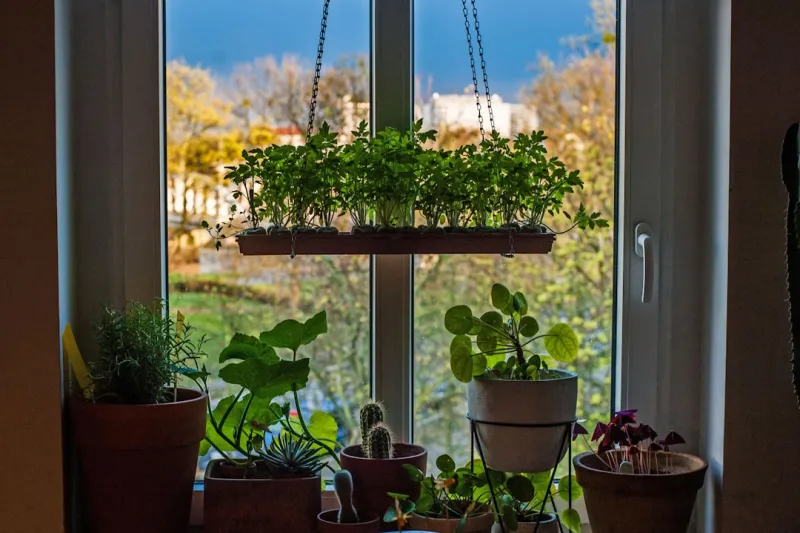
Why My Garden Desk Is the Secret to a Healthier Home & Garden Lifestyle in 2026
Explore the rise of garden desks in 2026, blending work, wellness, and sustainability. Get design ti... Read More
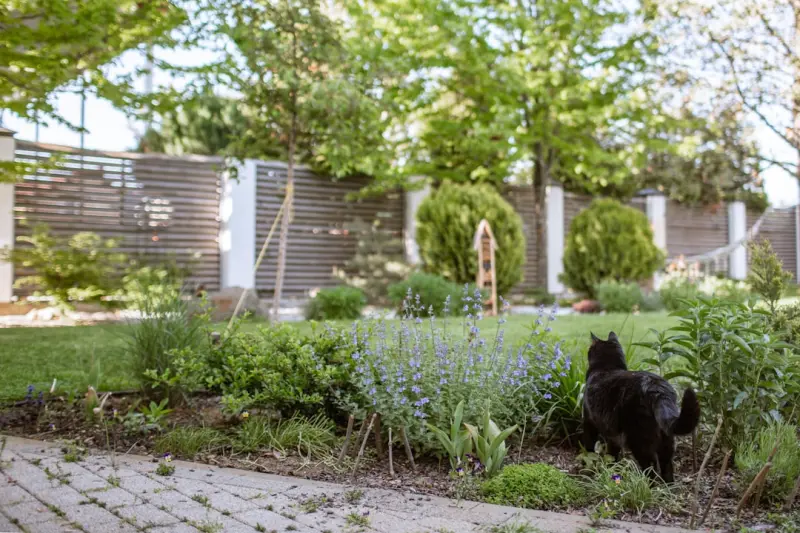
Turning Attics and Basements into Vibrant Living Spaces
Learn step‑by‑step how to revitalize neglected attics and basements, turning them into vibrant s... Read More

A Multi‑Sensory Garden Blueprint for Everyday Joy
Learn to transform your yard into a multi‑sensory sanctuary with practical tips on color, fragranc... Read More
Top Posts
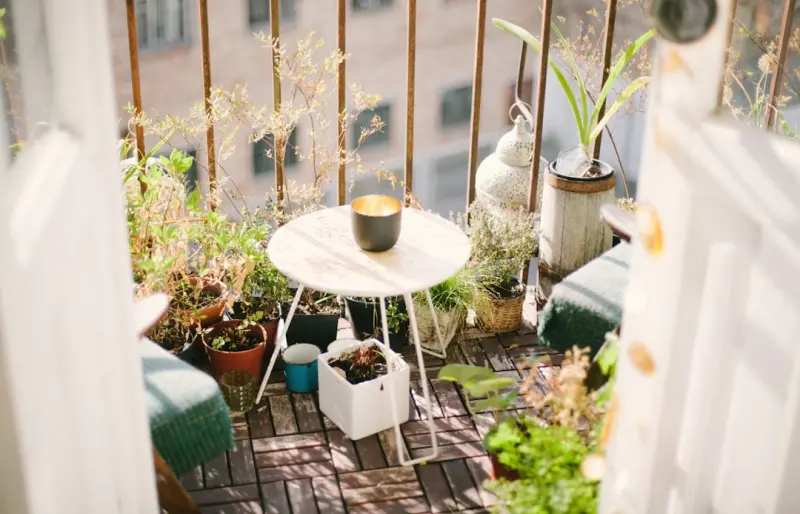
Balcony to Bee‑Friendly Oasis: A DIY Guide for City Dwellers
Jessica Gills shows city residents how to transform a modest balcony into a vibrant, bee‑friendly garden using recycled materials, smart planting, and low‑m...Read More

Internal Freelance Marketplaces: Turning Employees into In‑House Contractors
Discover the rise of internal freelance marketplaces—how they let employees monetize hidden skills, give companies rapid access to talent, and reshape career ...Read More

The Art of Curated Micro‑Adventures: Turning Everyday Spaces into Mini‑Explorations
Explore the concept of micro‑adventures—short, intentional outings that turn ordinary spaces into unforgettable experiences—while learning practical tools...Read More

Outcome‑First Culture: How Autonomy Fuels Performance
A shift from time‑based metrics to clear, measurable outcomes unlocks autonomy, boosts performance, and creates a competitive edge for modern workplaces....Read More
0 Comments
Post Comment
You will need to Login or Register to comment on this post!