

Designing a Year‑Round Sensory Garden That Heals the Home
Imagine stepping out onto your patio and being greeted not only by a splash of color, but by a chorus of rustling leaves, a subtle perfume of lavender, and the gentle tickle of textured foliage against your fingertips; this is the promise of a truly sensory garden, a living space crafted to engage all five senses and anchor your daily rhythm. In my own backyard, I began this journey by first mapping out the sensory zones – a fragrant herb corner, a tactile path of stepping stones with varying surfaces, a visual tapestry of bloom succession, an acoustic enclave of wind‑chimes and water, and a taste‑test area where edible blossoms meet culinary curiosity – and the result has been a garden that feels like a daily meditation without the need for a cushion or candle. The secret lies in layering experiences so that each visit feels fresh, yet familiar, turning ordinary gardening chores into moments of mindful discovery that ripple into the rest of your home life.
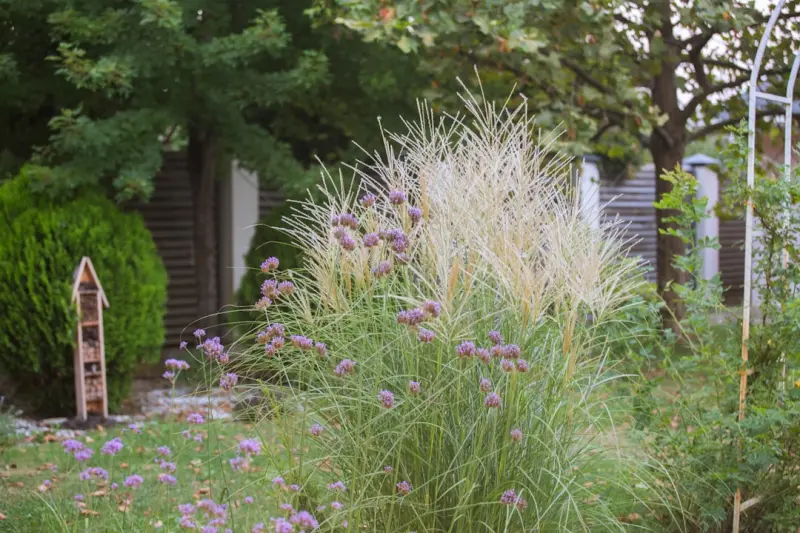
One of the first steps is to select plants that offer multi‑sensory appeal throughout the seasons, and this means looking beyond the typical roses and petunias. I chose winter‑green boxwoods for their year‑round structure, fragrant rosemary that releases its piney aroma when brushed, and ornamental grasses such as fountain grass that sway and rustle even on the calmest evenings, providing a natural soundscape; for the tactile dimension, I incorporated lamb’s ear with its velvety leaves and low‑grown creeping thyme that feels like a soft carpet under bare feet. By planting in clusters rather than rows, you create pockets of scent and texture that become more intense as you wander, and the strategic placement of night‑blooming jasmine ensures that the garden’s perfume deepens after dusk, inviting you to linger longer under the stars.
Water features, even modest ones, amplify the auditory element and bring a soothing rhythm that can mask neighborhood noise; I installed a shallow, self‑circulating stone basin that produces a gentle murmur, surrounded by water‑loving plants like dwarf iris and hardy hostas whose foliage glistens in the mist. The visual impact of reflective surfaces adds a dynamic element, mirroring sky and foliage while encouraging the eye to wander. For those who crave a touch of playfulness, a small, reclaimed wooden bridge over the basin doubles as a perch for birds and a tactile stepping point, creating an interactive experience that draws children and adults alike into the garden’s narrative.
Edible flowers are a delightful surprise that merge taste, sight, and smell, and they can be seamlessly woven into the garden’s design. I planted vibrant nasturtiums along the border of my vegetable patch; their peppery leaves and bright blossoms not only attract pollinators but also provide a pop of orange‑red that contrasts beautifully with the deep greens of lettuce and kale, while offering a fresh garnish for salads straight from the garden. When you harvest these blossoms, the garden rewards you with immediate culinary inspiration, turning a simple walk into a spontaneous farm‑to‑table experience that deepens your connection to the food you grow and the space that nurtures it.
Lighting is often overlooked in garden design, yet it is essential for extending sensory enjoyment into the evening hours. I opted for warm, low‑voltage LED lanterns nestled among the shrubs, combined with solar‑powered rope lights that trace the perimeter of the tactile path, casting soft glows that highlight the texture of stepping stones and the shimmer of dewy leaves. These lights are not only energy‑efficient but also create a gentle ambiance that encourages quiet reflection; the subtle illumination makes the garden feel safe and inviting after dark, allowing you to experience the night‑time scents of sage and cedar without the harshness of bright floodlights.
To ensure the garden remains a dynamic, ever‑evolving sanctuary, I incorporate seasonal rotations and periodic refreshes that keep each sense engaged. In spring, I introduce early‑blooming crocuses and scented hyacinths, while in summer I swap out annuals for heat‑tolerant lavender and sage that thrive under the sun; autumn brings in ornamental kale and deep‑red mums for visual depth, and winter sees the addition of ever‑green ornamental cabbage and hardy rosemary that maintain structure and fragrance. This cyclical planting strategy mirrors the natural rhythms of the earth and prevents the garden from becoming stagnant, offering a fresh palette of colors, aromas, and textures that align with the changing moods of the year.
Beyond the garden itself, the sensory design philosophy can be extended to indoor spaces, creating a seamless transition from porch to living room. I placed a few low‑maintenance indoor plants like peace lilies and scented geraniums near windows, allowing the garden’s scent trail to drift inside, while a small tabletop water fountain echoes the outdoor water feature’s sound, reinforcing the calming ambiance. By integrating these elements, you cultivate a holistic environment where the boundaries between interior comfort and exterior wonder blur, fostering a sense of continuity that supports mental well‑being throughout the day.
If you’re looking for inspiration on how to blend technology with nature without losing the garden’s organic charm, check out the smart backyard makeover article for ideas on subtle sensors that monitor soil moisture and adjust irrigation, ensuring your sensory garden thrives with minimal effort. Additionally, the vertical gardens piece offers creative solutions for adding height and texture to compact yards, while still preserving the multi‑sensory experience you desire. By weaving together these resources, you can craft a garden that not only delights the senses but also supports sustainable, low‑maintenance practices that keep you connected to nature, no matter the size of your plot.

Jim Pearse, a seasoned freelance writer, brings a wealth of knowledge and passion to the world of home and garden. From the intricacies of landscaping to the nuances of interior design, Jim delves into every aspect of creating comfortable, beautiful, and functional living spaces.
Related Posts

Scented Garden Paths: A Fragrant Blueprint for Small Outdoor Spaces
A scented garden path turns a modest outdoor area into a multisensory sanctuary, blending aromatic h... Read More

The Hidden Potential of Neglected Nooks: Turning Unused Spaces into Thriving Garden Sanctuaries
Learn to turn forgotten hallways, balconies, and windowsills into thriving garden sanctuaries, boost... Read More
Reviving Your Backyard: Harnessing the Power of Native Plants
Learn how to create a thriving, low‑maintenance backyard using native plants, smart watering, and ... Read More
Top Posts

When AI Becomes Your Strategic Thought Partner
Discover the shift from viewing AI as a mere tool to treating it as a strategic thought partner, with practical steps for decision hygiene, creative collaborati...Read More

Your Personal Knowledge Graph: How AI Turns Data Into an Ever‑Evolving Brain
Explore how AI-driven personal knowledge graphs transform scattered information into a living, interconnected “second brain,” enhancing decision‑making, c...Read More

Posture Reset: Simple Desk Ergonomics to Defeat Chronic Pain
Learn how tiny ergonomic tweaks, microbreaks, and a five‑minute posture reset can transform a painful desk routine into a healthier, more productive workday....Read More

Travel as a Language Lab: One Phrase a Day to Unlock Hidden Worlds
Learn the power of a single daily phrase to turn ordinary trips into immersive cultural adventures, unlocking hidden gems and deeper connections....Read More
0 Comments
Post Comment
You will need to Login or Register to comment on this post!